Introduction to Mortgage Rates and Home Prices
The relationship between mortgage rates and home prices plays a critical role in shaping the housing market. Changes in mortgage rates can significantly affect both affordability and buyer behavior, influencing demand and ultimately impacting home values. For those planning to purchase a home or manage existing property investments, understanding how these rates interact with market trends is essential. As we progress through 2025, shifts in economic factors and policy decisions are adding new layers of complexity to this equation, creating varying conditions across different regions of the United States.
Current Trends in Mortgage Rates
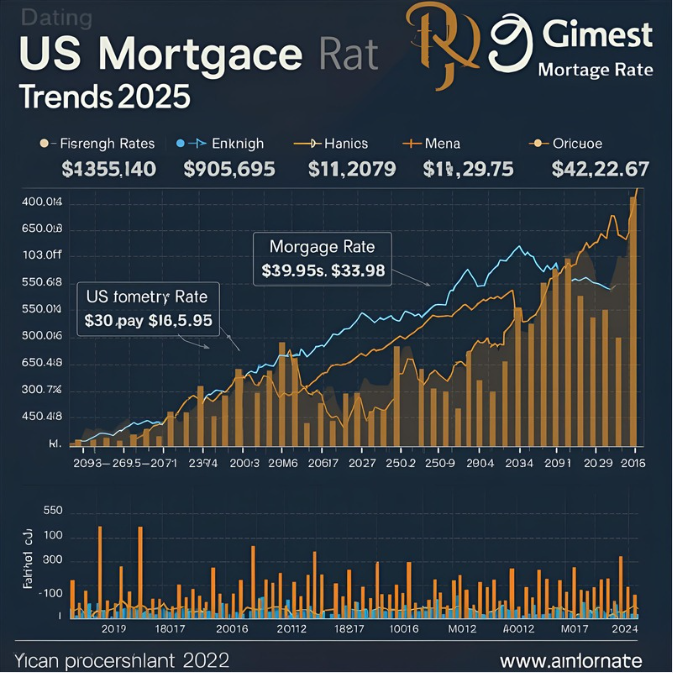
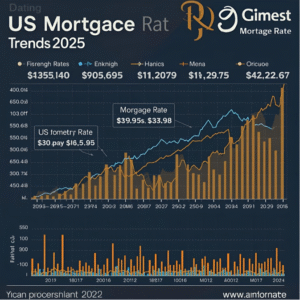
Throughout 2025, mortgage rates in the United States have shown moderate but noticeable changes. Following a prolonged period of historically low rates, recent adjustments have been influenced by economic shifts and efforts to address inflation. The Federal Reserve’s measures, including adjustments to the benchmark interest rate, have contributed to a gradual increase in borrowing costs. While these changes have not reached levels seen in decades past, they mark a shift from the unusually low rates that characterized the early 2020s.
As borrowing becomes slightly more expensive, the impact is being felt across different segments of the housing market. First-time buyers, in particular, are encountering challenges as higher monthly payments affect affordability. Existing homeowners with fixed-rate mortgages, on the other hand, remain less affected, though those considering refinancing or moving are reevaluating their options in light of the current rate environment. Additionally, housing inventory shortages in some regions continue to put upward pressure on home prices, complicating affordability even further despite the upward trend in rates.
Beyond individual buyers, the broader market is also adjusting to this rate environment. Lenders are introducing diverse mortgage options to appeal to buyers seeking alternatives, such as adjustable-rate mortgages or programs targeting affordability. Regional disparities persist, as areas with stronger economic growth experience steadier demand for housing compared to those with slower development. These regional differences underscore the varying effects mortgage rates can have across the United States.
While the overall rate increase remains moderate, its psychological impact on potential buyers cannot be overlooked. Higher rates are prompting many prospective buyers to delay their purchases or adjust their budgets, which has a ripple effect on both demand and pricing trends in the housing market. At the same time, some buyers are rushing to secure financing before rates climb further, creating pockets of heightened activity in certain areas.
Factors Influencing Mortgage Rates
Mortgage rates in the United States are shaped by a combination of economic, policy, and market forces. One of the most significant influences comes from decisions made by the Federal Reserve, particularly regarding adjustments to the federal funds rate. When the Federal Reserve raises or lowers this rate, it directly impacts borrowing costs, including mortgage rates. These decisions are often driven by efforts to manage inflation, encourage economic growth, or stabilize the financial system.
Another key factor is the state of the broader economy. Strong economic growth can lead to higher mortgage rates as demand for credit increases, while economic slowdowns or recessions may prompt rates to decrease. Inflation also plays a critical role; when inflation rises, lenders often increase mortgage rates to protect their returns against the decreasing value of money over time. Conversely, lower inflation can contribute to more favorable borrowing conditions for buyers.
Global financial conditions also affect mortgage rates. For instance, shifts in international markets, such as changes in foreign investment flows or geopolitical developments, can influence demand for U.S. Treasury bonds, which are closely tied to mortgage rates. A high level of demand for these bonds generally leads to lower rates, while reduced demand can push them higher.
Additionally, government-backed mortgage programs and policies play a role in shaping borrowing costs. For example, actions taken by housing authorities to promote affordability or regulate lending practices can influence the types of mortgages available and their associated rates. These measures often aim to strike a balance between supporting homeownership and maintaining a healthy lending environment.
Market-specific dynamics, including competition among lenders, are another important factor. Lenders frequently adjust their mortgage products and rates to attract borrowers in competitive markets, which can lead to slight variations in rates across different regions or financial institutions.
Finally, consumer demand itself influences the rate environment. During times of high demand for housing, lenders may adjust their rates in response to increased activity. Conversely, slower periods may see more favorable terms as lenders aim to attract potential borrowers.
Understanding these factors provides valuable insight into the mechanics behind mortgage rate changes, as well as the complexities of the financial landscape. In 2025, as both domestic and international conditions evolve, these influences will continue to shape the mortgage market in unique ways.
Impact on Home Prices
Mortgage rates play a significant role in shaping home prices by influencing both affordability and demand. In 2025, the higher borrowing costs tied to elevated rates are creating noticeable changes in how buyers approach the market. For buyers with tighter budgets, the increased monthly payments resulting from higher rates can limit their ability to compete for homes, particularly in high-demand areas. This shift in affordability often causes some buyers to delay their purchases or adjust their target price ranges, impacting overall market activity.
In regions with strong job markets and population growth, the demand for housing remains steady, keeping prices elevated despite rising mortgage rates. These areas often see less price relief because buyers are still willing to enter the market, even at higher borrowing costs. Conversely, in areas where economic growth is slower or population shifts have led to reduced demand, rising rates are applying downward pressure on home values. In such regions, sellers may need to lower their asking prices or offer incentives to attract buyers.
Housing inventory levels also contribute to the dynamic. In markets with limited supply, competition among buyers keeps prices from dropping significantly, even as rates climb. However, in areas with more available homes, the combined effects of increased inventory and higher borrowing costs can create conditions where prices stabilize or decline. Builders are adjusting their strategies as well, with some scaling back new construction projects in response to reduced buyer activity, which could further influence inventory levels in the coming months.
Another factor shaping the market is buyer behavior in response to rate increases. Some buyers are opting for adjustable-rate mortgages or other products with lower initial payments, allowing them to secure financing despite higher overall costs. Others are focusing on smaller or more affordable homes to stay within budget, altering the types of properties experiencing the most demand. This shift in preferences has a ripple effect, as sellers of larger or higher-priced homes may face greater challenges finding buyers.
Additionally, investor activity in the housing market is shifting. Investors, particularly those who rely on financing for property acquisitions, are reassessing their strategies due to higher borrowing costs. This can lead to reduced competition in some segments of the market, giving individual buyers more opportunities to negotiate on price. However, in rental markets with strong demand, investors may still compete aggressively for properties, which can keep prices stable or even rising in those areas.
Understanding the interplay of these factors is key for buyers, sellers, and investors navigating the current housing market as mortgage rates influence pricing trends across the country.
Future Projections
Looking at the trajectory for mortgage rates in 2025, the market is expected to experience variability influenced by a combination of domestic and global economic conditions. Analysts suggest that potential rate adjustments could hinge on inflation trends, employment figures, and Federal Reserve policy decisions throughout the year. While a stronger economy may prompt incremental increases, reduced inflationary pressures or slower economic growth could stabilize rates at current levels or even lead to slight declines in certain scenarios.
Home price trends will largely depend on regional factors, including population changes, employment growth, and housing inventory. Markets with robust economic expansion and tight housing supply may continue to see price appreciation, even if borrowing costs remain elevated. On the other hand, areas with slower economic activity or weaker demand could experience more noticeable price adjustments, particularly if inventory levels rise or buyer activity decreases. These regional differences are likely to remain pronounced as local conditions dictate the pace of market movement.
Buyer sentiment is another element to watch in 2025, as perceptions about mortgage rates can heavily influence activity. If rates rise further, some buyers may choose to postpone purchases or downsize their ambitions, while others may opt for creative financing options to mitigate the impact of higher monthly payments. Alternatively, if rates show signs of stabilization, more buyers could reenter the market, driving renewed competition in certain areas.
Developers and builders are also expected to adjust their strategies in response to evolving market dynamics. In regions where higher borrowing costs are reducing buyer interest, new construction may slow, which could eventually contribute to tighter supply conditions. Conversely, builders in high-demand markets may continue to focus on producing inventory aimed at meeting ongoing needs, especially for more affordable housing options.
Investor activity will likely remain a factor shaping market conditions in the coming months. Rising rates could deter some investors, particularly those dependent on financing, from aggressively pursuing acquisitions. However, strong demand in the rental market could lead others to maintain or even increase their presence, particularly in areas with consistent population and job growth.
As the year progresses, the interplay between these variables will determine how both mortgage rates and home prices evolve, creating a dynamic environment for all participants in the housing market. Those actively engaged in buying, selling, or investing will need to monitor these developments closely to navigate the challenges and opportunities presented by the shifting conditions.
Advice for Homebuyers and Homeowners
Navigating the 2025 housing market requires careful planning and strategic decision-making for both homebuyers and homeowners. For buyers, understanding how current mortgage rates affect affordability is key. Comparing different loan options, such as fixed-rate and adjustable-rate mortgages, can help determine which best fits their financial situation. Buyers should also factor in additional costs like property taxes and insurance when calculating their budgets, ensuring they have a comprehensive understanding of their potential expenses.
For those considering purchasing a home, staying flexible in terms of location and property size can open up more opportunities in a competitive market. Exploring areas with more inventory or slower price growth may provide better value, especially as rates influence demand across regions. Pre-approval for a mortgage can also give buyers a clearer picture of their purchasing power and streamline the buying process when they find the right property.
Homeowners, on the other hand, may find opportunities to adapt to the current rate environment in different ways. Those thinking about selling their homes should evaluate local market conditions to price their properties competitively, particularly in areas where higher rates may be reducing buyer activity. Working with a real estate agent familiar with regional trends can be invaluable in setting realistic expectations and crafting effective marketing strategies.
For those not planning to sell, improving or renovating existing properties could be a smart alternative to moving. Updates that enhance a home’s value or energy efficiency can provide long-term benefits, especially if refinancing or selling becomes a future consideration. Homeowners should weigh the costs of renovations against the potential return on investment, particularly in a shifting market.
Staying informed about market trends is crucial for both buyers and homeowners. Monitoring economic indicators, Federal Reserve announcements, and housing inventory levels can help predict shifts in mortgage rates and market dynamics. Consulting with trusted professionals, such as financial advisors or mortgage specialists, can provide tailored advice based on individual circumstances.
Finally, patience and preparedness are essential. By staying informed, exploring all options, and remaining adaptable to changing conditions, both buyers and homeowners can make confident decisions in the face of evolving mortgage rates and their effects on the housing market.
