Introduction to Forex Trading
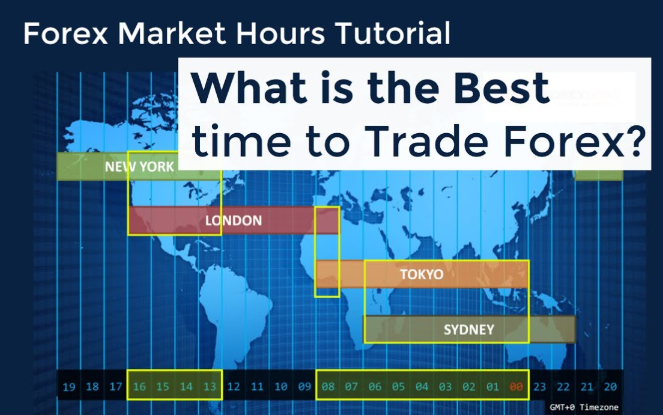
Forex trading involves the exchange of one currency for another to take advantage of changes in exchange rates. It operates as a decentralized market, meaning transactions occur over-the-counter rather than on a centralized exchange. This market runs 24 hours a day during weekdays, as trading sessions rotate across major financial centers like New York, London, Tokyo, and Sydney.
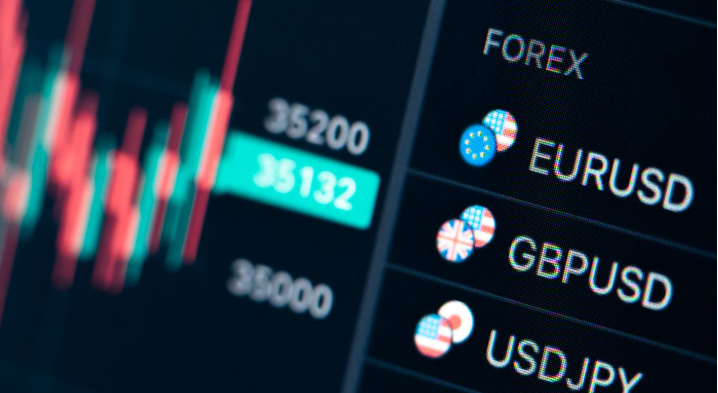
At its core, forex trading focuses on currency pairs, which represent the value of one currency relative to another. For example, in the pair EUR/USD, the euro is the base currency, and the U.S. dollar is the quote currency. Traders aim to profit from shifts in these rates, which are influenced by factors such as economic data, geopolitical events, and central bank policies.
A key appeal of forex trading is its accessibility. With minimal capital, traders can enter the market due to the availability of leverage, allowing them to control larger positions. However, the use of leverage significantly increases potential risks, making risk management an essential aspect of any trading strategy.

Forex trading attracts participants ranging from large financial institutions and corporations to individual retail traders. Technology has played a significant role in its growth, with trading platforms offering tools for real-time data analysis, charting, and automated trading. These advancements have made it easier for individual traders to engage in the market.
While forex trading offers opportunities for profit, success requires an understanding of its mechanics, market influences, and the tools used for analysis. Participants must be prepared to monitor global events and trends, as these can cause rapid changes in currency values. Learning about the market and practicing with demo accounts before using real funds is highly recommended.
Forex Trading Regulations in the USA
The United States maintains strict oversight of the forex market to ensure trader protection and uphold fair practices. Regulatory oversight is provided by two key organizations: the Commodity Futures Trading Commission (CFTC) and the National Futures Association (NFA). These entities monitor brokers and trading activities, enforcing compliance with established laws and regulations.
Forex brokers operating in the U.S. must register with both the CFTC and NFA, adhering to rigorous requirements designed to prevent fraud and unethical behavior. One significant rule is the limitation on leverage, which is capped at 50:1 for major currency pairs and 20:1 for others. These limits aim to reduce the risks associated with high leverage while ensuring traders do not overexpose their accounts.
Additionally, brokers must meet substantial financial standards, including maintaining a high minimum capital reserve to demonstrate stability and safeguard client funds. Strict reporting requirements are also in place, mandating brokers to provide clear and accurate information regarding fees, trading conditions, and any potential risks.
The “no hedging” rule is another unique regulation in the U.S., which prohibits traders from holding both long and short positions on the same currency pair within the same account. Instead, traders must adhere to the “first in, first out” (FIFO) rule, where older positions are closed before newer ones in the same pair.
Regulations also require brokers to use segregated accounts, meaning client funds must be kept separate from the broker’s operational accounts. This ensures that traders’ funds remain secure even in the event of a broker’s insolvency.
With these regulations, the U.S. forex market is one of the most tightly controlled in the world, fostering a safer environment for participants while emphasizing transparency and ethical practices. Compliance with these rules is critical for brokers and traders alike.
Getting Started with Forex Trading
To begin forex trading, it’s important to research and select a broker that meets your needs while being regulated by the appropriate U.S. authorities. After identifying a broker, complete the application process by submitting required documentation, such as proof of identity and residence. Many brokers also require additional financial details to assess your suitability for trading with leverage.
Once your account is approved and funded, you’ll need access to a trading platform. Most brokers provide access to platforms like MetaTrader 4, MetaTrader 5, or proprietary systems that offer features such as charting tools, indicators, and real-time data. These platforms are designed to facilitate analysis and trade execution. Take the time to familiarize yourself with the platform’s interface and functionalities before placing any trades.
It’s also essential to understand the basic tools available for trading and analysis. Many platforms offer access to technical and fundamental indicators, which can help you monitor price trends, momentum, and market sentiment. Learning how to use these tools effectively is crucial for making informed trading decisions. Additionally, many brokers provide educational resources, such as tutorials, webinars, and articles, to help traders build their knowledge.
New traders are encouraged to practice with demo accounts before trading with real funds. Demo accounts allow users to simulate trades in live market conditions without risking actual money. This is a valuable way to build confidence, test strategies, and understand how trades are executed.
Lastly, ensure you establish a risk management plan before placing your first trade. Determine how much of your capital you’re willing to risk on each trade and use tools like stop-loss orders to control potential losses. Preparing yourself with a solid understanding of the market and a clear plan is key to starting your forex trading journey.
Key Concepts in Forex Trading
In forex trading, understanding the mechanics of how trades work is essential. When trading currencies, you are effectively buying one currency while selling another. This exchange is quoted as a currency pair, where the value of the base currency is compared to the quote currency. Prices in the forex market are expressed as bid and ask prices. The bid is the highest price a buyer is willing to pay, while the ask is the lowest price a seller is willing to accept. The difference between the two is called the spread, which represents transaction costs for traders.
Another key concept is the role of pip movement. A pip, or “percentage in point,” is the smallest price move that a currency pair can make based on market convention, often representing a one-digit change in the fourth decimal place of a price quote. Pips are used to measure price changes and calculate gains or losses in trades.
Lot sizes are also central to forex trading. Trades are executed in lots, which refer to the number of currency units being traded. A standard lot equals 100,000 units of the base currency, while smaller lot sizes, such as mini lots (10,000 units) and micro lots (1,000 units), cater to traders with varying capital levels.
Additionally, forex trading involves the use of leverage and margin, which can amplify both potential profits and losses. Margin represents the amount of money required in your account to open a trade, while leverage allows you to control a position larger than your account balance would typically permit.
Market conditions also play a role in decision-making, with liquidity and volatility being crucial factors. Liquidity refers to how easily an asset can be bought or sold without impacting its price, while volatility measures the frequency and magnitude of price changes. Recognizing these elements is critical to forming a trading approach that aligns with your goals.
Strategies for Forex Trading
Forex trading strategies in the USA vary widely, depending on individual goals, risk tolerance, and market conditions. A popular approach is scalping, which involves making multiple quick trades to capture small price movements. This method requires precision, discipline, and the ability to act swiftly, as trades are typically opened and closed within minutes. Another frequently used strategy is day trading, where traders open and close positions within the same trading day to avoid overnight risks. This approach often relies on technical analysis and real-time data to identify short-term trends.
Swing trading is another common method, where traders aim to capitalize on medium-term price fluctuations. Positions in this strategy may remain open for days or even weeks, as traders attempt to profit from market “swings” between support and resistance levels. For those with a longer time horizon, position trading may be a preferred strategy. This approach involves holding positions for weeks or months, relying on fundamental analysis to predict long-term price movements.
Technical analysis tools, such as moving averages, trendlines, and oscillators, often guide these strategies. Traders use these tools to identify patterns, entry points, and exit points in the market. Combining technical analysis with an understanding of macroeconomic factors, such as interest rate changes or geopolitical events, can further refine decision-making.
Risk management techniques, such as setting stop-loss and take-profit levels, play a critical role in implementing any trading strategy. By limiting potential losses and locking in gains, traders can preserve capital while pursuing profit opportunities. Additionally, testing strategies in a demo account allows traders to refine their methods and gain confidence before trading with real funds. Experimenting with different styles and tools can help traders find the approach that best suits their trading preferences and financial objectives.
Risks Involved in Forex Trading
Forex trading is inherently risky due to factors like market volatility, leverage, and liquidity challenges. Price fluctuations can occur suddenly, driven by events such as economic reports or geopolitical developments. These unexpected movements can lead to significant losses, especially for traders who fail to monitor the market closely or rely heavily on speculative trades.
Leverage amplifies both potential gains and losses, making it a double-edged sword. While it allows traders to control larger positions with limited capital, improper use of leverage can result in rapid account depletion. For this reason, it’s critical to understand margin requirements and use leverage conservatively.
Another risk factor is liquidity, which can vary based on the time of day and the currency pair being traded. Less liquid markets may experience wider spreads and slippage, where orders are executed at a different price than expected. This is particularly problematic during periods of low trading activity or when markets react to major news events.
Counterparty risk also exists, as traders rely on brokers to execute trades and safeguard funds. Choosing a regulated broker in the United States, where stringent standards are enforced, helps reduce this risk. Additionally, traders should remain vigilant against technical issues, such as platform outages or slow execution speeds, which can negatively impact trading outcomes.
Psychological factors, such as fear and greed, can exacerbate trading risks. Emotional decision-making often leads to impulsive actions, such as overtrading or abandoning risk management plans. Maintaining discipline and adhering to a well-defined strategy are vital to avoiding unnecessary mistakes.
Managing these risks requires preparation, self-control, and the use of protective measures like stop-loss orders. Being mindful of these challenges allows traders to better navigate the forex market and protect their investments.
Tax Implications for Forex Traders in the USA
Forex traders in the United States must consider how their trading activities will impact their tax obligations. Profits and losses from forex trading are typically categorized under Section 1256 contracts or Section 988 transactions, each with its own tax treatment. Section 1256 contracts are taxed at a blended rate of 60% long-term capital gains and 40% short-term capital gains, potentially offering tax advantages. Meanwhile, Section 988 transactions classify gains and losses as ordinary income, which may be more beneficial for those with net losses, as they can fully offset other forms of income.
Traders may have the option to choose between these classifications by filing an election with the IRS. However, this decision must be made in advance, and once chosen, it is difficult to reverse. Keeping detailed and accurate records of all trades, including dates, amounts, and associated costs, is essential for accurate tax reporting and compliance.
It’s also important to be aware of the deadlines for filing taxes and submitting any required forms. Traders using leverage or trading with overseas brokers should also consider how these factors might influence their tax obligations. Additionally, if forex trading is your primary source of income, the IRS may consider you a self-employed individual, which could require the payment of self-employment taxes.
Since forex tax rules can be complex, consulting with a tax professional experienced in trading activities is highly recommended. This can help ensure compliance with regulations and optimize your tax strategy based on your individual trading circumstances.