Introduction to Forex Trading Risks
Forex trading, the exchange of currencies in a highly dynamic market, is an activity that attracts both seasoned investors and beginners. While it presents opportunities for substantial financial gains, it also comes with inherent risks that traders must fully understand before participating. The US forex market, governed by strict regulatory frameworks, offers a unique trading environment that demands careful navigation.
The global nature of forex trading means that currency values are influenced by an array of factors, including geopolitical events, monetary policy changes, and economic performance indicators. Traders must constantly monitor these developments, as even minor shifts can lead to unpredictable outcomes. Furthermore, the decentralized nature of the market can introduce challenges, such as varying liquidity levels at different times, which may impact trade execution.
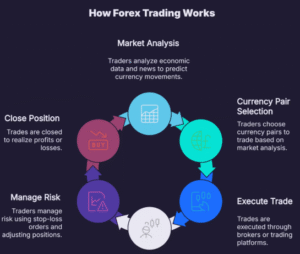
Another aspect to consider is the technological reliance in forex trading. The use of trading platforms and automated systems introduces operational risks, including system errors, latency issues, or even cyberattacks. Traders need to ensure they are using secure, reliable platforms and maintain vigilance against potential disruptions.
For individuals entering the US forex market, understanding these complexities and potential vulnerabilities is crucial. Identifying risks early and preparing strategies to manage them effectively is an integral part of a successful trading journey.
Volatility and Market Fluctuations
Forex trading operates in an environment where price movements can be both rapid and significant. The values of currency pairs are influenced by a wide range of elements, including economic indicators, global market sentiment, and major geopolitical developments. These changes often happen unexpectedly, creating challenges for traders attempting to predict price trends accurately.
Market fluctuations can lead to sudden price shifts that may disrupt even the most carefully planned trades. For example, economic reports like employment data or central bank announcements can trigger immediate reactions in the forex market, causing currencies to spike or plunge within seconds. This kind of unpredictability underscores the importance of staying alert to market-moving events and their potential ripple effects on currency values.
Traders also need to account for external factors such as speculative activity or changes in interest rates, both of which can heighten market activity and contribute to erratic price behavior. These fluctuations can result in widened spreads or slippage during periods of heightened volatility, making it more difficult to execute trades at intended levels. Additionally, ill-timed trades can amplify exposure to financial losses.
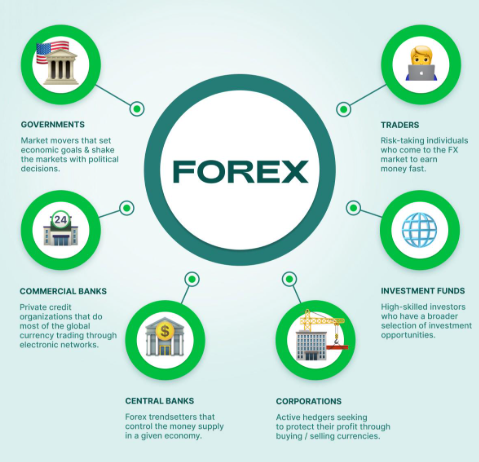
High-frequency traders and institutional investors often influence price movements, adding further unpredictability to the market landscape. The involvement of such participants can cause short-term disruptions, forcing retail traders to act quickly or adjust their strategies. Recognizing the potential impact of market speculation and institutional activity is essential for adapting to the ever-changing conditions of forex trading.
To cope with such volatility, traders should utilize tools and resources designed to manage risk effectively. This includes using limit orders, practicing disciplined entry and exit strategies, and monitoring market trends closely. Staying informed about key economic events and understanding their possible implications can help traders better anticipate and respond to significant price movements. The dynamic nature of the forex market makes preparation and flexibility essential for navigating its challenges.
Leverage and Margin Risks
Leverage enables traders to control positions that are significantly larger than their initial capital, making it an attractive yet risky feature of forex trading. When using leverage, even small price movements can have a substantial impact on the outcome of a trade. This dual nature means that while leverage can increase potential profits, it can also lead to amplified losses. Without proper risk management, traders may find themselves in situations where their account balance is quickly depleted due to unfavorable market shifts.
Margin, closely related to leverage, is the amount of capital required to open and maintain a leveraged position. When trades move against the trader, margin calls may occur, requiring additional funds to keep positions open. Failure to meet these margin requirements can result in the forced closure of trades, often at a loss, which can be particularly damaging during volatile market periods.
The risks associated with leverage and margin are heightened by the unpredictable nature of currency price movements. Sudden market events, such as unexpected economic announcements or geopolitical developments, can cause rapid price swings, leaving highly leveraged positions exposed to significant losses in a short timeframe. The potential for losing more than the initial deposit underscores the importance of using leverage conservatively.
Traders must also consider the role of brokers in managing leverage and margin. US regulations impose limits on maximum leverage ratios for retail forex accounts, offering some level of protection for traders. However, it remains the trader’s responsibility to understand their broker’s margin policies and maintain sufficient funds in their accounts to avoid margin calls.
Implementing safeguards such as stop-loss orders and limiting position sizes are practical ways to mitigate leverage risks. Additionally, traders should focus on creating a disciplined trading plan that accounts for both market volatility and their own financial capacity, ensuring that leverage and margin are used as tools for enhancing opportunities rather than introducing unnecessary risk.
Regulatory Risks
The regulatory framework governing forex trading in the US aims to create a secure environment for participants, but it also introduces specific challenges that traders need to address. Compliance with regulations enforced by bodies such as the Commodity Futures Trading Commission (CFTC) and the National Futures Association (NFA) is mandatory for brokers and traders alike. These rules are designed to ensure transparency, fair practices, and the overall stability of the market.
One significant aspect of US forex regulations is the limitation on leverage ratios for retail traders. While this is intended to protect traders from excessive risk, it can restrict trading strategies that rely on higher leverage levels. Additionally, brokers must comply with strict capital requirements and reporting standards, which may impact the services and features they can offer to clients. Traders should be aware of these restrictions when choosing a broker, as the regulatory environment in the US differs significantly from that of other regions.
Another factor to consider is the evolving nature of financial regulations. Policy changes or new regulatory measures can directly affect trading conditions, potentially altering the availability of certain trading instruments or modifying margin requirements. For instance, adjustments to rules governing speculative activity or risk disclosures can influence how brokers operate, indirectly affecting retail traders.
Traders also face potential risks when engaging with unregulated or offshore brokers that are not subject to US regulatory standards. Although these brokers may offer more attractive trading conditions, they often lack the safeguards and protections required by US authorities. This increases the likelihood of disputes, withdrawal issues, or even fraud.
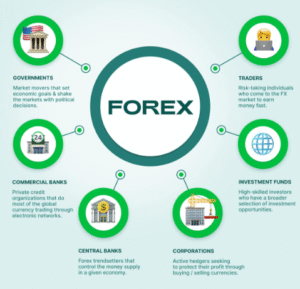
Remaining informed about updates to forex trading regulations is essential for maintaining compliance and adapting strategies accordingly. Ignoring these developments could result in unintentional violations or trading disruptions, underscoring the importance of understanding the regulatory landscape.
Counterparty and Liquidity Risks
Counterparty risk arises when the party on the other side of a trade fails to fulfill their obligations. In forex trading, this risk is particularly relevant when dealing with brokers, as their financial stability and operational practices directly affect the security of client funds. Working with a broker that is properly regulated within the US and adheres to high standards of financial responsibility can help reduce this risk. Traders should conduct thorough research, including reviewing broker histories and any available audit records, before entrusting them with funds.
Liquidity risk, on the other hand, stems from the ability to buy or sell currency pairs at expected prices. During periods of heightened market activity or extreme stress, liquidity can drop significantly, making it harder to execute trades effectively. Low liquidity often results in slippage, where trades are filled at prices that deviate from expectations. This can be particularly problematic for traders attempting to close out large positions or those operating in less actively traded currency pairs.
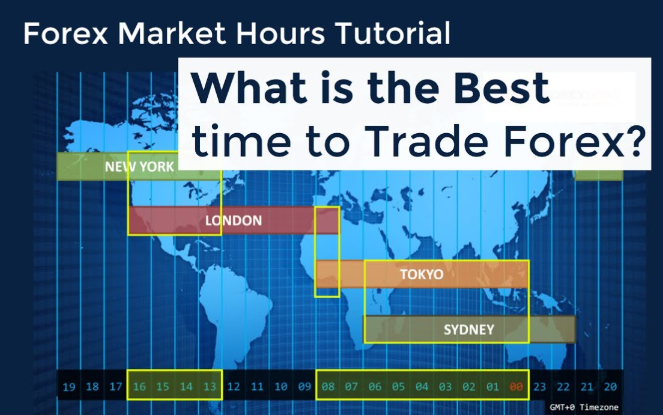
The forex market’s decentralized structure contributes to variations in liquidity depending on the time of day and the currency being traded. For instance, major currency pairs typically offer higher liquidity during peak trading hours, while exotic pairs may exhibit wider spreads and lower trade volume. Understanding these patterns can help traders plan their entries and exits more effectively.
To manage these risks, traders should prioritize brokers offering access to reliable liquidity providers, as this can help minimize disruptions during times of market volatility. It’s also important to monitor economic events and other factors that can impact liquidity, as these may create sudden shifts in trading conditions. Utilizing tools such as limit orders can further aid in navigating low-liquidity scenarios, ensuring trades are executed at acceptable levels when possible.
Risk Management Strategies
Creating an effective risk management strategy involves taking proactive steps to protect trading capital while maximizing potential opportunities. One critical aspect is determining an acceptable level of risk for each trade, ensuring that the size of each position aligns with the trader’s overall financial goals and limits. This helps prevent overexposure to single trades, which can quickly lead to significant losses if the market moves unfavorably.
Using stop-loss orders is another essential practice, as they allow traders to set predetermined exit points to limit potential losses. These orders are particularly useful in volatile market conditions, providing a level of protection against rapid price movements. Similarly, take-profit orders can be employed to lock in gains when a trade reaches a desired price level.
Diversification is a key component of managing risk in forex trading. Instead of focusing on a single currency pair, traders can spread their positions across multiple pairs, reducing the impact of adverse movements in any one currency. Diversifying strategies—such as combining short-term and long-term trading approaches—can also help adapt to changing market conditions.
Monitoring economic events and news updates is vital for identifying potential risks that could impact currency values. By staying informed, traders can adjust their strategies to account for upcoming events, such as central bank announcements or key economic data releases, which may create significant market volatility.
Leveraging risk management tools provided by trading platforms can further enhance safety. Features like trailing stop-losses, margin calculators, and volatility indicators can assist traders in maintaining control over their positions and preparing for sudden changes.
Traders should also maintain a disciplined mindset, avoiding impulsive decisions driven by emotions. Keeping a trading journal to track performance and refine strategies over time is a practical way to improve risk management skills and adapt to the ever-changing forex market.
Conclusion
Forex trading in the US market offers both opportunities and significant challenges, making it essential for traders to approach it with a well-informed perspective. Understanding the interplay of various risks, including market volatility, leverage, regulatory requirements, and liquidity concerns, is critical for making sound trading decisions. Traders should prioritize developing robust risk management strategies tailored to their individual financial goals and risk tolerance.
Equipping oneself with the necessary tools and staying updated on economic and regulatory changes can greatly enhance the ability to respond effectively to market developments. By using measures such as stop-loss orders, diversifying portfolios, and adhering to disciplined trading practices, individuals can better protect their capital and minimize potential losses.
Additionally, selecting reliable, regulated brokers that align with trading objectives plays a vital role in mitigating counterparty risks. Maintaining a proactive approach by continuously refining strategies and learning from past experiences can also help traders adapt to the ever-evolving forex landscape.
Navigating the complexities of the forex market requires preparation, flexibility, and ongoing education. While risks cannot be eliminated, taking deliberate steps to manage them can increase the likelihood of long-term success in this dynamic environment.