Introduction to Forex Trading
Forex trading involves the buying and selling of currencies in a global marketplace, where participants aim to profit from fluctuations in exchange rates. As one of the largest financial markets in the world, it operates 24 hours a day, five days a week, attracting traders of all levels, from beginners to seasoned professionals. In the USA, this market holds significant appeal due to its accessibility and the potential for financial gain.
The forex market differs from traditional stock markets because trades occur over-the-counter (OTC), meaning transactions take place directly between participants without a centralized exchange. This decentralized nature allows for greater flexibility in trading but also requires traders to exercise caution and select reputable brokers to facilitate transactions. Understanding how the market functions and the factors influencing currency values, such as economic indicators, geopolitical events, and interest rates, is crucial for success.
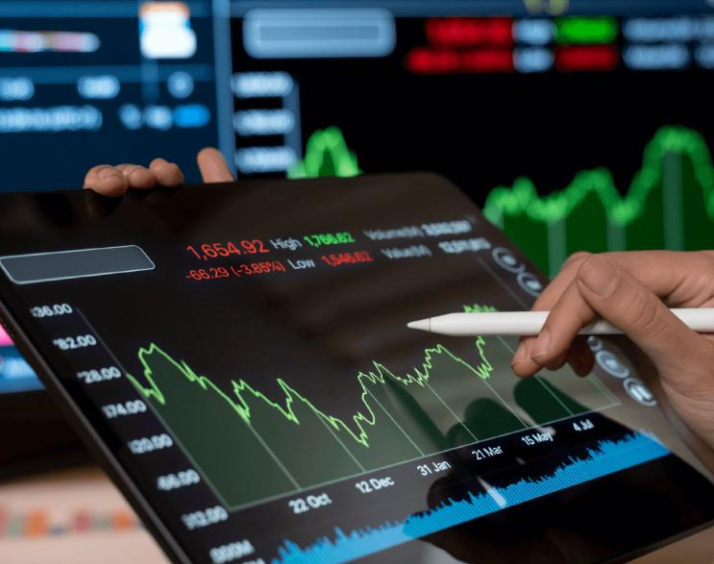
Advancements in technology have made it easier than ever for individuals to participate in forex trading. Online trading platforms provide access to the market, offering tools and resources to assist traders in analyzing trends and executing trades. While these platforms have opened doors for many, they have also increased the need for traders to educate themselves thoroughly and be aware of potential risks and challenges.
Forex trading may seem straightforward at first glance, but it requires careful planning, strategy development, and an understanding of market dynamics. New traders often face a steep learning curve, and those who succeed typically dedicate significant time to mastering technical and fundamental analysis. For anyone considering venturing into this market, having realistic expectations and a commitment to ongoing learning is essential.
Moreover, the forex market’s global nature ensures that it remains highly liquid, with trillions of dollars traded daily. This liquidity creates opportunities to enter and exit trades quickly, catering to various trading styles, whether short-term or long-term. However, this same characteristic also amplifies the potential for rapid price changes, making it essential for traders to remain attentive and adaptable.
Understanding the Legitimacy
In the USA, forex trading is governed by established regulatory frameworks designed to create a secure and fair trading environment. These frameworks are enforced by agencies such as the Commodity Futures Trading Commission (CFTC) and the National Futures Association (NFA). Their primary role is to implement rules that protect traders from unethical practices and ensure brokers maintain a high standard of integrity.
One key aspect of legitimacy in forex trading lies in the licensing requirements for brokers. Any broker offering forex trading services in the USA must comply with stringent guidelines and obtain proper authorization from the CFTC and NFA. This licensing process is designed to verify that brokers meet financial and operational standards, reducing the likelihood of malpractice and providing traders with a layer of security.
Transparency is another cornerstone of legitimate forex trading in the USA. Regulated brokers are obligated to provide clients with clear and accurate information about trading conditions, fees, and potential risks. These regulations aim to prevent deceptive practices, such as hidden charges or misleading advertising, which could harm traders.
Additionally, the USA has strict rules regarding leverage limits to help mitigate the risks associated with forex trading. Regulatory agencies have set maximum leverage ratios for retail traders to prevent excessive risk-taking that could lead to significant losses. This is an important safeguard, as leverage can magnify both gains and losses.

For traders, verifying the credentials of a broker is an essential step before opening an account. Reliable brokers typically display their regulatory affiliations prominently on their websites, including their registration numbers with the CFTC and NFA. Traders can cross-check this information using official databases to confirm the broker’s compliance with U.S. regulations.
It is also worth noting that brokers operating under U.S. regulations are required to segregate client funds from their own operational accounts. This means that traders’ funds are held separately, reducing the risk of misuse and offering additional protection in case the broker faces financial difficulties.
By prioritizing compliance with these regulatory standards, traders in the USA can better safeguard their investments and make informed decisions when choosing a broker.
Common Scams in Forex Trading
Scammers in the forex trading world often prey on individuals who are new to the market or those seeking quick financial gains. One of the most common tactics involves unregulated brokers who claim to offer exceptional trading conditions or guaranteed profits. These entities often lack proper licensing and operate outside the oversight of regulatory agencies, making it difficult for traders to recover their funds in cases of fraud.
Another prevalent scam is the use of fake trading platforms or software. Fraudulent companies may offer tools that appear legitimate but are designed to manipulate trades or steal sensitive information, such as login credentials and financial details. Traders may also encounter schemes where supposed “expert advisors” or “robotic trading systems” promise to generate consistent profits with minimal effort. These systems are often overpriced and fail to deliver on their claims, leaving users with little more than financial losses.
Signal-selling scams are another area of concern. In these schemes, individuals or companies claim to provide insider trading signals or expert market insights for a fee. While some legitimate signal services exist, many scammers exploit this concept to charge high prices for unreliable or fake information. These services often lack transparency and fail to demonstrate verifiable trading success.
Pyramid or Ponzi schemes have also infiltrated the forex market. Fraudsters may lure participants with promises of high returns through forex trading but instead use new investors’ funds to pay earlier participants. These schemes eventually collapse when new investments dry up, leaving the majority of participants at a loss.
Social media and online communities have become another avenue for scams, with fraudsters using platforms to promote fake success stories, advertise illegitimate services, or impersonate reputable brokers. These scams often leverage the trust and accessibility of social networks to target victims more effectively.
Protecting yourself from these scams requires vigilance and critical evaluation of any trading-related offers. Be cautious of entities that promise extraordinary profits, demand upfront fees, or lack transparent information about their services and credentials.
Legitimate Opportunities in Forex
The forex market offers genuine opportunities for individuals willing to dedicate time and effort to understanding its complexities. Traders who succeed often do so by developing disciplined strategies, staying informed about global economic trends, and utilizing reliable tools and platforms to guide their decisions. One advantage of forex trading is the high liquidity, allowing traders to execute transactions quickly and efficiently without significant price distortions. This feature makes it possible for participants to adapt their strategies to various trading styles, whether short-term or long-term.
Another appealing aspect of forex trading is the ability to access the market at nearly any time, given its 24-hour operation during the trading week. This flexibility accommodates different time zones and allows individuals with varying schedules to participate. Additionally, advancements in technology have brought a wide array of resources to traders, from analytical tools to real-time market data, enabling better decision-making and strategy implementation.
Many traders find value in educational resources offered by regulated brokers, such as online tutorials, demo accounts, and market analysis reports. These resources not only help new participants build foundational knowledge but also allow experienced traders to refine their skills. Learning to interpret technical charts, understand fundamental economic indicators, and apply risk management principles is essential for success in this market.
Forex trading also provides an opportunity to trade in either direction of the market. Unlike some investment options that rely on upward market movement, forex traders can potentially profit from both rising and falling currency values by utilizing strategies like short selling or taking advantage of spreads in exchange rates.
By committing to ongoing education, leveraging available tools, and developing well-thought-out strategies, traders can position themselves to identify and act on opportunities within this dynamic market.
Risks Involved in Forex Trading
Forex trading presents a unique set of risks that traders must carefully navigate to protect their investments. The volatile nature of currency markets means that prices can shift unexpectedly due to factors such as economic data releases, geopolitical developments, or central bank actions. These rapid changes can result in both substantial gains and significant losses, making it imperative for traders to remain vigilant and prepared.
One major risk comes from the use of leverage, which allows traders to control larger positions with a relatively small amount of capital. While leverage can amplify profits, it also magnifies losses, potentially leading to a rapid depletion of funds if market movements go against a trader’s position. To mitigate this risk, it’s essential to use leverage conservatively and ensure a thorough understanding of how it impacts overall exposure.
Another concern is the emotional impact of trading. Market fluctuations can provoke impulsive decisions, such as chasing losses or exiting trades prematurely. Emotional reactions often result in deviating from a well-planned strategy, increasing the likelihood of errors. Developing a disciplined approach and adhering to a clear trading plan can help minimize the influence of emotions.
In addition to market volatility and leverage risks, inadequate knowledge and preparation are common pitfalls for traders. Rushing into trades without understanding key concepts like technical analysis, risk-reward ratios, or economic indicators can lead to poor decision-making. Taking the time to study the market and continuously update trading skills is crucial for long-term success.
Traders also need to be cautious about liquidity risks, especially during off-peak hours when fewer participants are active. Reduced liquidity can result in wider spreads or difficulty executing trades at desired prices. Choosing the right time to trade and being aware of market conditions can help address this issue.
Lastly, while reputable brokers in the USA adhere to strict regulations, it’s vital for traders to verify a broker’s credentials and ensure compliance with regulatory requirements to avoid potential issues. Using a regulated broker reduces risks tied to unethical practices or fund mismanagement.
Conclusion: Scam or Legit?
Forex trading in the USA can be a legitimate opportunity when approached responsibly and with a clear understanding of the market’s complexities. The presence of established regulatory frameworks helps ensure a level of protection for traders, but success ultimately depends on individual effort and preparedness. By choosing brokers that comply with U.S. regulations, traders reduce the likelihood of encountering unethical practices, providing a more secure trading environment.
However, the market’s decentralized structure and accessibility also make it an attractive target for scams. Unregulated brokers, fake trading platforms, and fraudulent schemes can cause significant financial harm, especially to inexperienced traders. Staying informed and verifying the credibility of brokers and services is essential to avoid falling victim to such traps.
The risks inherent in forex trading, such as market volatility and the use of leverage, require traders to exercise caution and develop disciplined strategies. Those who invest time in learning about the market, analyzing trends, and applying proper risk management techniques are more likely to navigate these challenges successfully. Leveraging the educational resources offered by regulated brokers and taking advantage of demo accounts can be invaluable for building confidence and skills.
Ultimately, forex trading is neither a guaranteed pathway to wealth nor an outright scam. It offers opportunities for individuals who are willing to invest the effort and take calculated risks, while also presenting challenges that must be carefully managed. Traders who approach the market with realistic expectations, a commitment to continuous learning, and a focus on due diligence can unlock its potential while minimizing exposure to unnecessary risks.