Current Market Overview
The US housing market in 2025 is seeing shifts influenced by both economic trends and evolving buyer behavior. Over the past few years, the market experienced heightened activity, driven by low interest rates and increased demand. Now, the pace has slowed, creating a more balanced environment in many areas.
The availability of homes for sale has gradually expanded compared to prior years, giving buyers more properties to choose from. Despite this, many regions are still experiencing limited inventory, keeping competition strong in certain markets. Buyers continue to face challenges in affordability, as prices remain elevated in many urban and suburban areas.
Economic conditions, including wage growth and inflation, are shaping purchasing power and influencing activity. Many buyers are reassessing their priorities, with a greater focus on finding properties that align with long-term needs and financial goals. On the seller side, rising interest rates are discouraging some homeowners from listing their properties, particularly those who refinanced during historically low rate periods.

Additionally, changing demographics are having an impact, as younger generations increasingly enter the market and prioritize features like sustainability and connectivity. These factors, combined with varying conditions across the nation, contribute to a complex but evolving real estate landscape.
Interest Rates and Mortgage Trends
Interest rates are a critical factor shaping housing affordability and influencing buyer decisions. As rates gradually increase, borrowing costs for homebuyers are rising, which can significantly impact monthly mortgage payments. This shift is causing some potential buyers to reconsider their options, particularly those entering the market for the first time.
With higher rates, lenders may tighten qualification requirements, making it more challenging for some individuals to secure favorable loan terms. This can result in buyers seeking smaller properties or delaying their purchase plans altogether. At the same time, adjustable-rate mortgages may see renewed interest as buyers look for alternatives to fixed-rate loans.
Refinancing activity has also slowed significantly compared to previous years, as current homeowners with low-interest loans are less inclined to refinance or sell their homes. This behavior is contributing to limited housing inventory, as fewer properties are being listed on the market. The interplay between rising rates and homeowner reluctance to sell is creating a unique dynamic that affects both buyers and sellers.
Meanwhile, financial institutions are adapting their offerings to cater to evolving market conditions, such as promoting down payment assistance programs or expanding loan options for middle-income buyers. These adjustments aim to address affordability concerns while supporting market activity in the face of rising costs.
Supply and Demand Dynamics
In 2025, the relationship between housing supply and demand remains influenced by a combination of economic, social, and industry-specific factors. On the supply side, challenges in homebuilding persist, with labor shortages and elevated material costs continuing to limit construction activity. Developers are also navigating zoning restrictions and environmental regulations that add layers of complexity to new projects, particularly in densely populated areas. As a result, the pace of new housing developments is not keeping up with the needs of the growing population.
On the demand side, shifting demographics are playing a significant role. Millennials, who now represent the largest cohort of homebuyers, are driving demand for properties that align with their lifestyles, such as homes featuring energy-efficient designs, integrated smart technology, and flexible living spaces. Additionally, Generation Z is beginning to enter the market, further fueling interest in properties tailored to modern needs. These groups are not only shaping what homes are built but also where demand is concentrated, often prioritizing communities that offer a mix of convenience, sustainability, and connectivity.
External factors, such as rising interest rates and inflation, are creating a more cautious environment for buyers, yet the need for housing remains strong. Affordability concerns are pushing some buyers to consider more cost-effective options, including smaller homes or properties in less competitive areas. Meanwhile, urban and suburban areas are still seeing robust interest, especially in regions offering economic opportunities and quality of life improvements. Coastal cities and fast-growing metropolitan areas remain hot spots for demand, although affordability constraints are prompting some buyers to look further afield.
Another contributor to the imbalance between supply and demand is the availability of existing homes for sale. Homeowners with fixed low-interest mortgages are hesitant to sell, reducing the flow of listings into the market. This dynamic is keeping inventory tight in many areas, further intensifying competition among buyers. With fewer homes available, bidding wars are still a reality in some high-demand neighborhoods, even as the broader market cools slightly compared to previous years.
In the construction sector, rising costs for land and materials have made it more difficult to deliver affordable housing, which remains an area of unmet need across the country. Builders and policymakers are exploring innovative approaches to address this gap, such as modular construction and mixed-use developments, but these efforts will take time to impact the market. In the meantime, the interplay between limited supply and steady demand continues to shape the housing landscape.
Regional Variations
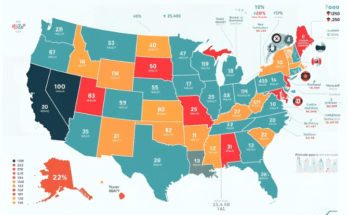
The US housing market in 2025 continues to show significant regional differences, influenced by factors such as population growth, employment opportunities, and affordability. The Sun Belt states, including Texas, Florida, and Arizona, are witnessing steady demand as they remain popular destinations for those seeking lower living costs, warmer weather, and strong job markets. These areas are also attracting businesses, further driving economic expansion and housing activity. However, rapid population growth in these regions is putting pressure on infrastructure and housing supply, contributing to rising home prices in some cities.
In contrast, certain parts of the Northeast and Midwest are facing slower growth due to population declines and economic challenges. Cities with aging infrastructure or limited job creation may see less competition in the housing market, offering more affordable options for buyers. However, these areas are still contending with their own set of challenges, such as older housing stock that may require significant updates to meet modern standards.
Coastal regions, particularly on the West Coast, continue to grapple with affordability issues due to high home prices and limited inventory. Cities like San Francisco and Seattle remain desirable due to their strong tech industries, but many buyers are priced out of these markets, prompting them to explore more affordable suburbs or relocate to other states. This trend is contributing to shifting demand patterns, as people prioritize housing affordability over proximity to urban centers.
The pandemic-driven trend of remote work has also left its mark on regional housing preferences. Smaller cities and rural areas are seeing increased interest from buyers who value larger properties and quieter surroundings. This shift has created pockets of growth in markets that were previously considered secondary or tertiary, with demand spreading to places offering more space and lower costs of living.
Meanwhile, regions with diverse economies and strong infrastructure, such as Colorado and parts of the Pacific Northwest, are striking a balance between growth and affordability. These areas are drawing a mix of young professionals, families, and retirees looking for opportunities and high quality of life. Additionally, states with tax advantages, such as Florida and Nevada, are particularly appealing to buyers seeking to reduce their overall cost of living.
Local policies and housing initiatives are also influencing regional trends. Cities investing in transportation, sustainability, and affordable housing development are seeing renewed interest from buyers who value access to amenities and long-term growth potential. However, even in these areas, disparities exist, as neighborhoods within the same city may experience vastly different market conditions.
Technological Influences
Technology is playing an increasingly important role in transforming the real estate industry in 2025. The widespread adoption of virtual and augmented reality is enabling buyers to explore properties from the comfort of their homes, providing a more efficient way to evaluate options, particularly for those relocating to different cities or states. Blockchain technology is also gaining traction, offering secure and transparent methods for property transactions, reducing the time and paperwork involved in closing deals.
Artificial intelligence (AI) is being leveraged to enhance market analysis and simplify decision-making for both buyers and sellers. AI-driven tools are now being used to assess property values with greater accuracy, predict future price trends, and identify optimal times to buy or sell. This technology is proving especially useful in helping buyers better understand local market conditions and prioritize options based on their needs and budgets. For sellers, AI is aiding in creating personalized marketing strategies that target the right audience more effectively.
The use of big data is further refining how the housing market operates. By analyzing consumer behavior and regional trends, big data platforms are providing real estate professionals with actionable insights to guide development, marketing, and pricing strategies. Buyers are also benefiting from tools that use predictive analytics to evaluate potential investments and forecast long-term property performance.
Smart home technology is another area influencing buyer preferences. Many new homes are being designed with integrated systems that allow residents to control lighting, temperature, security, and appliances remotely. The appeal of energy efficiency and convenience is shaping demand for these modernized features, particularly among younger buyers who value connectivity and technological integration in their living spaces.
Online platforms for buying and selling homes continue to expand, simplifying how people navigate the process. From digital mortgage applications to automated property management systems, these tools are creating smoother experiences for buyers, sellers, and landlords alike. Some platforms now offer end-to-end services, connecting users with agents, lenders, and contractors all in one place, minimizing the need for multiple service providers.
Tech-focused innovations in the construction industry are also playing a role in shaping housing supply. For instance, advancements in 3D printing and prefabricated building techniques are being explored as solutions to reduce costs and speed up project timelines. These developments aim to address construction challenges and improve housing accessibility over time.
Government Policies and Regulations
In 2025, government actions are increasingly focused on tackling housing affordability and addressing the ongoing supply-demand imbalance. Policymakers at various levels are implementing initiatives aimed at promoting affordable housing construction and expanding access to homeownership. Tax incentives and subsidies for developers building lower-cost housing units are gaining traction, with the goal of encouraging more projects that meet the needs of middle- and low-income families.
For buyers, programs offering down payment assistance and reduced mortgage insurance premiums are being expanded to help first-time homebuyers and underserved communities enter the market. These efforts aim to make the path to homeownership more accessible amid rising costs and higher interest rates. Additionally, there is an emphasis on promoting housing equity, with resources being allocated to communities historically disadvantaged in the housing market.

Zoning reform is also being considered in several states and municipalities to allow for higher-density housing in areas previously limited to single-family homes. This strategy is intended to increase the availability of affordable housing options, particularly in regions experiencing severe inventory shortages. While such changes face resistance in some neighborhoods, advocates argue that these adjustments are necessary to meet the needs of growing populations.
Federal programs supporting the construction of sustainable and energy-efficient housing are expanding as well. These policies encourage developers to incorporate green building practices and renewable energy features, aligning with growing consumer demand for environmentally conscious living spaces. Funding for public housing and rental assistance programs is also being increased to provide relief for renters struggling with affordability issues.
In the rental market, new regulations are being enacted to protect tenants from rapid rent increases and ensure fair treatment. Rent control measures and tenant protection laws are being debated in multiple states, though their implementation varies significantly depending on local economic conditions and political landscapes.
To address construction bottlenecks, government agencies are exploring workforce development programs to alleviate labor shortages in the building industry. Grants and funding are being allocated to support vocational training and apprenticeship opportunities, aiming to strengthen the construction workforce and accelerate housing production.
While these policies show promise, their long-term impact depends on consistent execution and cooperation between government entities, private developers, and community organizations. As these measures take shape, they reflect a growing recognition of the housing challenges facing Americans and a commitment to fostering a more inclusive and sustainable market.