Introduction to Forex Leverage
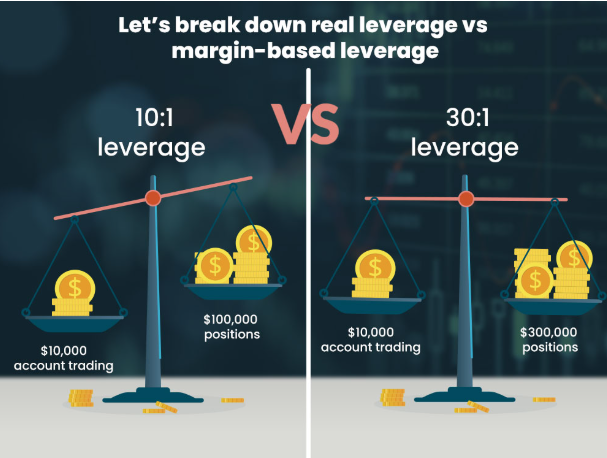
Forex leverage is a financial tool that allows traders to control larger market positions with a smaller amount of their own capital. This concept plays a critical role in forex trading, as it provides the opportunity to amplify potential returns by borrowing funds from a broker. For many traders, leverage is what makes forex trading an accessible and appealing option, as it requires less upfront investment compared to trading the full value of a position.
In the United States, leverage usage in forex trading operates within a unique framework shaped by regulatory standards. These regulations are designed to balance the benefits of leverage with the importance of risk management, ensuring that traders are not exposed to excessive financial risks. This framework reflects the emphasis placed on safeguarding market participants and maintaining stability in the forex market.
Traders often use leverage to take advantage of fluctuations in currency exchange rates, aiming to profit from relatively small price changes in the market. However, understanding the mechanics of leverage is vital for anyone considering its use. By grasping how it works, traders can develop strategies tailored to their goals and risk tolerance.
The appeal of leverage lies in its ability to enhance the potential for profits while enabling traders to enter positions that might otherwise be out of reach. At the same time, the associated risks demand careful planning and a thorough understanding of market conditions. This balance of opportunity and caution is what makes leverage a key consideration for those entering the forex market in the US.
Mechanics of Forex Leverage
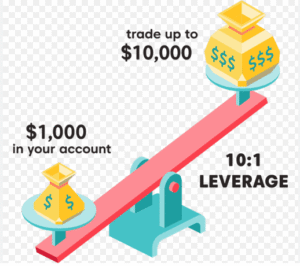
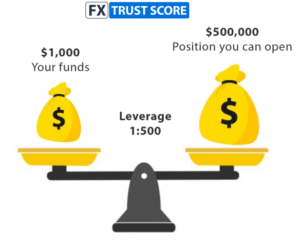
Leverage functions by enabling traders to access a position in the forex market that is much larger than their initial investment. When a trader opens a leveraged position, they commit a portion of their capital, known as margin, while the broker provides the remaining funds needed to control the full position size. This mechanism allows traders to gain exposure to market opportunities without needing to commit the total value upfront.
For example, with a leverage ratio of 50:1, a trader can control $50,000 in the forex market by depositing just $1,000 as margin. This level of access makes it possible for individuals with smaller capital to engage in markets typically dominated by large-scale investors. Leverage essentially acts as a multiplier for both gains and losses, magnifying the financial impact of even small changes in currency exchange rates.
In the US, forex leverage ratios are regulated to prioritize risk management. Major currency pairs are typically subject to a maximum leverage limit of 50:1, while less commonly traded pairs often have lower limits, such as 20:1. These regulatory caps are set to ensure that traders do not expose themselves to excessive risk, providing a safeguard against market volatility and large, sudden losses.
To maintain a leveraged position, traders must ensure their account balance meets margin requirements. If market movements result in losses that lower the account balance below the required margin level, brokers may issue a margin call. This requires the trader to deposit additional funds or risk having their position closed automatically to prevent further losses. Understanding the interplay between margin, position size, and leverage is critical for effectively managing trades in the forex market. By calculating the required margin and potential outcomes, traders can make informed decisions that align with their financial goals and risk tolerance.
Benefits of Using Leverage
Leverage offers traders the ability to control larger positions with a relatively small initial investment, making it possible to participate in the forex market without needing significant upfront capital. This feature provides an entry point for individuals who might not otherwise have access to trading opportunities, leveling the playing field for a broader range of participants.
Another advantage of leverage is the opportunity to optimize capital efficiency. By allocating only a portion of funds as margin, traders can keep the remainder of their capital available for other investments or trading strategies. This approach allows for greater flexibility in portfolio management and the potential to diversify across multiple currency pairs or financial markets.
Leverage is particularly useful for traders employing short-term strategies, such as scalping or day trading, where small price movements can translate into meaningful profits. By amplifying the impact of these movements, traders can more effectively capitalize on even minor fluctuations in exchange rates. Additionally, leverage can help traders seize market opportunities quickly, as it eliminates the need to tie up large amounts of capital in individual trades.
For traders with well-planned strategies and a clear understanding of risk management, leverage can enhance their ability to achieve financial goals more efficiently. It allows them to take calculated risks that align with their objectives while maximizing the potential return on their initial investment.
Risks Involved with Leverage
Leverage introduces the possibility of substantial losses, which can occur just as quickly as potential gains. Because it amplifies the financial impact of price movements, even minor market fluctuations can have outsized consequences for a trader’s account. This heightened sensitivity to price changes demands that traders maintain constant awareness of their positions and the overall market environment.
Market volatility further complicates the use of leverage. Sudden, unexpected price movements can trigger significant losses, especially for traders who are overly reliant on high leverage. Rapid shifts in exchange rates may lead to situations where there is insufficient time to react, leaving traders exposed to larger losses than anticipated. Without adequate risk management strategies, such as stop-loss orders or pre-defined exit points, traders may find themselves vulnerable to substantial financial setbacks.
Another key risk arises from margin requirements. Leveraged positions require traders to maintain a certain amount of capital in their accounts, known as margin. If market conditions cause the account balance to fall below the required margin level, brokers may issue a margin call. This forces traders to deposit additional funds quickly to avoid having their positions liquidated. In volatile markets, margin calls can be frequent and challenging to meet, particularly for traders who do not have sufficient reserves on hand.
Over-leveraging is another common pitfall. While higher leverage may seem appealing due to the potential for larger returns, it increases exposure to risk at the same rate. Traders who take on too much leverage can deplete their accounts rapidly if trades move against them, even slightly. This is especially risky for those with limited experience or insufficient understanding of market dynamics.
Finally, emotional decision-making can exacerbate the challenges of managing leveraged positions. The amplified stakes involved with leverage may lead traders to act impulsively, whether by holding onto losing positions too long or taking excessive risks to recover losses.
Regulatory Environment in the US
In the United States, the forex market operates under strict regulatory oversight to ensure transparency, fairness, and the protection of traders. The Commodity Futures Trading Commission (CFTC) is the primary regulatory authority responsible for establishing and enforcing rules that govern forex trading activities. These regulations are designed to reduce risks associated with high-leverage trading and to maintain stability in the financial markets.
One key aspect of the US regulatory framework is the imposition of maximum leverage limits on forex trading. For major currency pairs, leverage is capped at 50:1, while for less commonly traded pairs, the cap is typically lower, such as 20:1. These limits aim to balance the potential benefits of leverage with the risks it presents, helping traders avoid excessive exposure that could lead to significant financial losses. Brokers operating within the US must comply with these restrictions to ensure they provide a secure trading environment.
Another important element of US forex regulations is the requirement for brokers to register with the CFTC and the National Futures Association (NFA). Registered brokers must meet stringent financial standards, including maintaining a minimum level of net capital, and are subject to regular audits to ensure compliance with regulatory requirements. This framework enhances the overall integrity of the forex market by ensuring that brokers operate transparently and are financially stable.
Additionally, US regulations mandate that brokers provide clients with access to key information, such as risk disclosures and detailed transaction records. This ensures that traders can make informed decisions and have a clear understanding of the risks involved in using leverage. By fostering greater transparency, these measures aim to build trust between brokers and their clients, further strengthening the forex trading ecosystem.
Lastly, to safeguard client funds, brokers must adhere to strict rules regarding fund segregation. Client deposits must be held in separate accounts from the broker’s own funds, reducing the risk of misuse and providing traders with added security.
Tips for Managing Leverage Risks
When using leverage in forex trading, maintaining a structured approach to risk management is essential. One effective strategy is to determine an appropriate leverage ratio that aligns with your risk tolerance and trading goals. Choosing lower leverage reduces the potential for large losses, especially during periods of heightened market volatility. Regularly evaluating your trading plan can help ensure that the level of leverage you use remains consistent with your financial circumstances and objectives.
Monitoring account balances and margin levels is another critical practice for managing leverage risks. Staying aware of how close your account is to a margin call can help prevent unexpected liquidations. Allocating sufficient capital in your account provides a buffer against market fluctuations and reduces the likelihood of forced position closures. Traders should also aim to calculate potential losses before entering a trade, considering how leveraged positions can magnify outcomes.
Using tools such as stop-loss and take-profit orders allows traders to establish predefined exit points, minimizing emotional decision-making and helping to manage risks more effectively. Stop-loss orders are particularly useful for preventing losses from escalating during rapid price movements, while take-profit orders lock in gains when the market reaches a target level. These tools can add structure to trading strategies and protect capital over time.
Position sizing is another important factor to consider when trading with leverage. Keeping individual trades within a manageable percentage of your overall account balance can limit the financial impact of unfavorable market conditions. Avoiding overly concentrated positions across currency pairs further diversifies risk and reduces exposure to sudden price shifts.
For traders new to leverage, practicing with a demo account can provide valuable experience without real financial consequences. This allows you to refine your approach and better understand how leverage functions in live market conditions. It also helps build confidence and familiarity with risk management tools, ensuring better preparedness for trading with real capital.
Conclusion
Leverage serves as a valuable resource for forex traders, enabling them to maximize the potential of their capital. However, its effective use requires a solid understanding of its mechanics and associated risks. Traders should approach leverage with a clear plan and realistic expectations, keeping in mind the potential for both gains and losses. Success often depends on balancing ambition with caution, ensuring that strategies are aligned with market conditions and individual risk tolerance.
The importance of proper risk management cannot be overstated. Employing tools like stop-loss orders, maintaining adequate margin levels, and practicing disciplined position sizing are key to mitigating the challenges that come with leveraged trading. Traders should also remain vigilant about market volatility and be prepared to adapt their approach as conditions shift.
The regulatory environment in the US plays a vital role in shaping a secure and transparent trading experience. By adhering to established rules and leveraging the resources provided by regulated brokers, traders can build confidence in their trading activities. Staying informed about changes in regulations and market dynamics further enhances the ability to navigate the forex market effectively.
Ultimately, while leverage offers significant opportunities, it demands a thoughtful and calculated approach. Whether you are a new trader or an experienced participant, ongoing education and a commitment to refining your strategies are critical. Taking the time to practice, evaluate, and adjust your methods will contribute to more consistent and sustainable results over time.