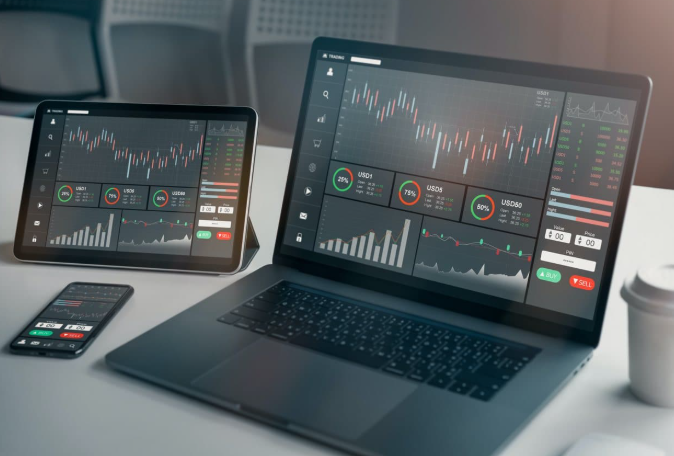
Introduction to Forex Trading
Forex trading, or the foreign exchange market, involves buying and selling currencies with the aim of making a profit from their price fluctuations. It is one of the largest and most liquid financial markets globally, operating 24 hours a day, five days a week. This accessibility makes it appealing to individuals looking to trade alongside other commitments or pursue it as a primary source of income.
One of the primary attractions of forex trading is its low barrier to entry. Unlike other financial markets, you don’t need a substantial amount of capital to start trading. Many brokers offer leverage, allowing traders to control larger positions with a relatively small investment. However, this leverage can amplify both gains and losses, making it crucial for traders to understand its impact fully before diving in.
Forex trading offers a wide variety of strategies to suit different goals and risk tolerances. Some traders prefer short-term strategies, like day trading or scalping, which involve frequent trades to take advantage of small price movements. Others lean toward longer-term approaches, such as swing trading, where positions are held for days or even weeks. This flexibility allows individuals to align their trading style with their personal preferences and schedules.
The technology and tools available for forex trading further contribute to its appeal. Advanced trading platforms provide real-time data, analytical tools, and features that can assist traders in making informed decisions. Automation options, such as trading bots, also enable traders to execute strategies without constant manual intervention.
However, success in forex trading is not solely about tools and strategies. Emotional discipline plays a significant role in a trader’s ability to manage risk and stick to their plan. The fast-paced nature of the market can provoke impulsive decisions, so developing the mental resilience to stay focused is just as important as building technical knowledge.
Understanding the Risks and Rewards
Forex trading is often seen as a lucrative opportunity, but it is essential to recognize that potential gains come with significant risks. The highly volatile nature of the foreign exchange market means that currency values can shift rapidly, sometimes within seconds. While these fluctuations can create opportunities for profit, they also present the possibility of substantial financial losses if trades do not go as planned.
One of the key challenges for traders is managing leverage, which amplifies both profits and losses. Although it allows traders to control larger positions with a smaller amount of capital, misuse of leverage can lead to a quick depletion of funds. New traders, in particular, often underestimate how quickly losses can escalate when leverage is involved, underscoring the importance of using it cautiously.
Another factor to consider is the emotional strain that comes with market uncertainty. Fear and greed are common emotions that can lead to impulsive decisions, such as holding onto losing positions for too long or overtrading after a profitable streak. These behaviors can derail even the most well-thought-out strategies, emphasizing the importance of emotional discipline in trading.
The lack of guaranteed income in forex trading is another risk that sets it apart from traditional jobs. Even with a solid strategy, there is no certainty of consistent profits, especially during market conditions that do not align with a trader’s approach. This unpredictability can create financial stress, particularly for those who rely solely on trading as their primary income source.
Furthermore, external factors such as economic data releases, geopolitical events, and unexpected news can significantly impact currency values. These events often occur without warning, making it critical for traders to stay informed and prepared for sudden market changes. Without proper risk management techniques, traders may find themselves exposed to greater losses than anticipated.
Skills and Knowledge Required
Forex trading requires a comprehensive understanding of market dynamics and the ability to analyze data effectively. Developing proficiency in technical analysis is vital, as it involves studying price charts, identifying patterns, and interpreting indicators to make data-driven trading decisions. Equally important is fundamental analysis, which examines economic trends, interest rates, and geopolitical events that can influence currency prices. These two approaches, when combined, offer traders a well-rounded perspective on potential market movements.
In addition to analytical skills, traders must become adept at risk management. This includes determining appropriate position sizes, setting stop-loss orders, and maintaining a consistent approach to managing capital. A strong grasp of risk management strategies helps mitigate potential losses and ensures that traders can sustain their activities over the long term.
The ability to stay informed about global events and market news is another key aspect of trading success. Economic reports, central bank announcements, and geopolitical developments often trigger significant price fluctuations, and traders must be prepared to act quickly when opportunities arise. Staying updated through reliable news sources and economic calendars can enhance decision-making.
Forex trading also demands sharp critical thinking and quick problem-solving abilities. Markets can change direction unexpectedly, requiring traders to adapt their strategies on the fly. Being able to evaluate situations objectively and avoid emotional decision-making is critical in maintaining consistent performance.
Lastly, successful traders often dedicate time to ongoing education and practice. The foreign exchange market is constantly evolving, and strategies that work in one market condition may not be effective in another. Utilizing demo accounts, attending webinars, and reading about market trends are all ways to refine skills and stay competitive. By continually improving their knowledge and techniques, traders can better position themselves to navigate the complexities of the forex market.
Time Commitment and Lifestyle
The time required for forex trading varies depending on the strategies a trader uses and their approach to the market. Day traders, for instance, often dedicate several hours each day to monitoring charts, executing trades, and analyzing market trends in real-time. On the other hand, those who adopt longer-term strategies, such as swing trading, might only need to review their positions and make adjustments a few times a week.
Flexibility is one of the most attractive aspects of forex trading, as it allows individuals to tailor their schedules based on personal commitments. The market operates around the clock from Monday to Friday, providing opportunities for traders in different time zones to find a schedule that works for them. Early risers may choose to trade during the European session, while night owls may focus on the Asian session.
However, this flexibility can also pose challenges. The constant availability of the market can tempt traders to spend excessive time in front of screens, which may lead to mental fatigue and burnout. Balancing trading with personal time is essential to maintain a healthy and sustainable routine.
Maintaining focus during trading hours is critical, and successful traders often use specific routines or rituals to help stay organized and efficient. These might include pre-trading preparation, such as reviewing economic calendars or updating trading journals, and post-trading evaluations to refine strategies.
Stress management is another important aspect of the trading lifestyle. The unpredictable nature of the market can create pressure, particularly during periods of heightened volatility. Some traders incorporate activities like exercise, meditation, or hobbies into their routines to help alleviate stress and maintain emotional well-being. Building habits that support both physical and mental health can enhance a trader’s ability to make sound decisions under pressure.
Financial Considerations
When approaching forex trading, having a solid financial foundation is essential for managing the inherent risks of the market. Traders need to allocate capital carefully, ensuring they only use funds they can afford to lose without jeopardizing their financial stability. It’s vital to separate personal finances from trading accounts to avoid unnecessary financial strain.
Trading costs, such as spreads, commissions, and overnight fees, can accumulate over time, impacting overall profitability. Being mindful of these expenses and factoring them into a trading plan helps maintain realistic expectations about returns. Choosing a broker with transparent fee structures and competitive pricing can make a significant difference in reducing unnecessary costs.
A robust risk management approach is crucial to protect trading capital. Setting clear guidelines on the percentage of funds to risk per trade can prevent significant losses during unfavorable market conditions. Using stop-loss orders and diversifying trading strategies can further enhance capital preservation.
Market conditions can fluctuate, and it’s not uncommon for traders to experience periods of reduced profitability. Maintaining a financial safety net outside of trading can help offset potential income gaps during challenging times. Allocating funds for educational resources, such as courses or tools, can also support skill development, which may improve performance over time.
Planning for long-term sustainability requires regular evaluation of both trading outcomes and expenses. Adjusting position sizes and refining strategies based on performance reviews allows traders to stay adaptable in a dynamic market environment. Thoughtful financial planning, paired with disciplined execution, helps create a foundation for consistent and responsible trading practices.
Legal and Tax Implications
Forex trading in the United States operates within a tightly regulated framework to protect market participants and maintain financial stability. Traders must work with brokers registered with the Commodity Futures Trading Commission (CFTC) and members of the National Futures Association (NFA) to ensure compliance with federal regulations. These entities oversee trading practices, prevent fraud, and establish safeguards for traders.
From a tax perspective, earnings from forex trading are generally categorized under Section 1256 contracts or Section 988 transactions, depending on the specific type of trading activity and the instruments involved. Section 1256 contracts typically apply to certain regulated futures and options, offering a blend of long-term and short-term capital gains tax treatment. In contrast, Section 988 transactions, which are more common for spot forex trading, treat earnings as ordinary income or loss. It’s important for traders to understand which category applies to their trades, as it impacts their tax obligations.
Proper record-keeping is essential for accurately reporting trading activities to the Internal Revenue Service (IRS). Traders should maintain detailed records of all transactions, including entry and exit prices, trade sizes, dates, and any associated fees. Many traders use specialized software or rely on statements provided by their brokers to simplify the process of tracking and organizing this information.
Another critical consideration is state income tax, as rules vary widely depending on where a trader resides. Some states may impose additional tax burdens on trading profits, while others may have no state income tax at all. It’s advisable for traders to consult with a tax professional familiar with forex trading to ensure compliance with both federal and state tax laws. Seeking expert advice can also help identify potential deductions or tax planning opportunities that may improve overall financial outcomes.
Is Forex Trading a Viable Career?
Forex trading offers the potential to become a full-time career for those who approach it with the right mindset and preparation. Success in this field requires a strong foundation in market analysis, risk management, and the ability to adapt to fluctuating conditions. Individuals considering trading as a primary income source must evaluate their financial resources and readiness to withstand periods of uncertainty, as profits are not guaranteed and income consistency can be a challenge.
Unlike traditional careers, forex trading demands self-discipline and the capacity to manage both the technical and emotional aspects of the job. Traders need to develop routines and strategies tailored to their goals, while also dedicating time to ongoing education to remain competitive in a fast-changing market. This involves staying updated on global events and continuously refining approaches to improve performance.
Additionally, building a sustainable career in forex trading involves carefully balancing financial planning with realistic expectations. Allocating funds wisely and maintaining a safety net are essential steps to mitigate risks, especially during less favorable market conditions. For those willing to embrace the learning curve and handle the challenges of an unpredictable income stream, forex trading can provide flexibility and autonomy. However, it requires persistence, careful preparation, and a strong commitment to long-term growth.