Lack of Education
Many new traders in the USA step into the forex market without fully understanding how it works. The forex market operates differently from other financial markets, and beginners often overlook the need to grasp its unique characteristics. For instance, concepts like currency pairs, pip calculations, and the impact of global economic events can seem overwhelming at first but are essential to master. Additionally, beginners may not take the time to explore the variety of tools and platforms available, which are designed to aid in analysis and decision-making. This lack of preparation often leads to mistakes that could have been avoided with proper learning. A strong educational foundation is crucial for building the skills necessary to approach forex trading in a thoughtful and informed way.
Emotional Decision-Making
Emotional reactions can significantly impact the outcomes of forex trades, especially for new traders in the USA. When emotions take over, they often disrupt logical thinking and well-laid plans. One of the most common scenarios is when traders experience panic after a losing trade, prompting them to enter another trade hastily in an attempt to recover losses. This behavior, often referred to as “revenge trading,” usually leads to even greater financial setbacks.
On the other hand, overconfidence after a string of successful trades can be equally damaging. Traders who become too self-assured may abandon their risk management practices, increasing their exposure to losses. Such overconfidence can lead to opening larger-than-reasonable positions or ignoring signals that suggest caution.
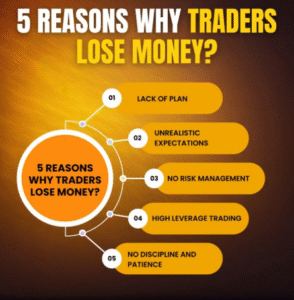
Another challenge arises when traders feel the pressure to perform quickly. This urgency can stem from unrealistic expectations about profits or external factors like needing to meet financial goals within a short timeframe. Acting under this pressure often results in choices that deviate from sound trading principles, such as disregarding proper analysis or ignoring market trends.
The forex market’s fast-paced nature can also amplify emotional responses. Price movements often occur in seconds, leaving traders with little time to think through their actions. Without proper discipline, these quick decisions can be heavily influenced by fear of missing out on potential gains or avoiding losses.
Stress from trading can compound these issues. The constant monitoring of the market and the financial stakes involved can create an emotional strain that clouds judgment. Traders under stress may feel paralyzed when decisive action is needed or take reckless steps to alleviate the tension, both of which can lead to unfavorable results.
To thrive in forex trading, it’s essential to recognize how emotions influence decision-making during various situations. Self-awareness, patience, and cultivating the ability to approach trades with a calm mindset are fundamental to overcoming these challenges.
Insufficient Capital
Having adequate funds is critical when entering forex trading, yet many beginners in the USA underestimate the importance of sufficient capital. Operating with limited funds often forces traders to take on unnecessary risks, as smaller account balances can leave little room to recover from losses. This issue is further exacerbated by the fact that even small fluctuations in currency values can have a significant impact, especially when trading with a constrained budget.
For traders with minimal capital, maintaining proper risk management becomes increasingly difficult. Many feel pressured to use high leverage in an attempt to increase potential gains, but this approach can backfire quickly when market movements go against their positions. High leverage amplifies both profits and losses, and those with limited funds are often unprepared to absorb the financial impact of these swings. This dynamic creates a high-stakes environment where one or two unfavorable trades can entirely deplete their account.
Additionally, small account sizes often prevent traders from diversifying their positions, leaving them overly dependent on a single currency pair or strategy. Without the flexibility to spread risk across different trades, the likelihood of experiencing a complete loss increases. This lack of diversification makes traders more vulnerable to market changes that affect the specific positions they hold.
Another challenge for those with insufficient capital is the psychological toll it can take. Constantly worrying about account balances or the ability to sustain losses can lead to emotional decision-making, which further compounds the risks of trading. Beginners may feel trapped in a cycle of overtrading or hesitating to take calculated risks, both of which can negatively impact performance.
While starting with a modest amount may seem appealing, the financial limitations it imposes can often set traders up for failure.
Overleveraging
Leverage is one of the key features of forex trading, allowing traders to control larger positions with a relatively small amount of capital. However, the misuse of leverage is a common issue among beginners in the USA. Many traders are drawn to the potential for high returns without fully understanding the risks involved. By overextending their positions, they expose themselves to significant losses that can quickly erase their account balances.
Using high levels of leverage can magnify even minor market fluctuations, making it more difficult to manage trades effectively. For instance, a small adverse price movement can result in a disproportionately large loss, leaving traders with little time or resources to recover. This creates a situation where the risk of ruin far outweighs the potential rewards.
One of the reasons beginners fall into this trap is a lack of experience in assessing the appropriate leverage for their trades. Many are enticed by brokers offering high leverage ratios, not realizing that these ratios are best suited for traders with a deep understanding of market dynamics and strict risk controls. Instead of carefully calculating position sizes relative to their account balance, inexperienced traders may enter trades that far exceed their financial capacity, amplifying their vulnerability to market changes.
Another factor that contributes to overleveraging is the desire to compensate for small account sizes. Traders with limited funds often see high leverage as a way to generate meaningful profits, but this approach carries significant risks. The combination of insufficient capital and excessive leverage increases the likelihood of losing trades wiping out an entire account. Additionally, overleveraging can lead to margin calls, where traders are required to deposit additional funds to maintain their positions. This can place further financial strain on traders who are already operating with limited resources.
The fast-paced nature of forex trading can also tempt traders to increase leverage in hopes of capturing quick profits. However, without a solid understanding of market conditions and a disciplined approach to position sizing, this strategy often results in failure. Misjudging the effects of leverage not only heightens financial risks but also contributes to emotional stress, which can impair judgment and lead to further mistakes.
Poor Risk Management
One major issue that contributes to poor trading outcomes is the failure to set clear risk parameters before entering a trade. Many beginners skip the step of determining how much they are willing to lose on a single trade, which leaves them exposed to greater financial setbacks than they anticipated. Without predefined limits, traders often end up taking on positions that exceed their account’s capacity to handle losses, making it difficult to recover from unfavorable outcomes.
Another aspect of inadequate risk management is the improper use of stop-loss orders. While these tools are designed to help limit losses, beginners sometimes place them too close to the entry price, causing trades to close prematurely due to normal market fluctuations. On the other hand, failing to use stop-loss orders entirely leaves traders vulnerable to significant losses if the market moves sharply against their positions. The lack of a consistent approach to setting these levels often results in an inability to manage risks effectively.
Overtrading is another behavior linked to weak risk management. Inexperienced traders may enter multiple trades without considering the combined exposure of their positions, leading to an overly leveraged account. This approach increases the likelihood of facing significant losses, as a series of unfavorable trades can quickly drain available funds. Additionally, overtrading often arises from attempting to recover prior losses, which tends to exacerbate the problem by encouraging impulsive decision-making.
Position sizing is another area where poor practices are common. Beginners frequently fail to align trade sizes with their account balance and risk tolerance, putting too much of their capital into individual trades. This mismanagement can result in losing a substantial portion of their funds on a single poorly executed trade.
Neglecting to consider broader market conditions when planning trades is another error tied to insufficient risk management. Beginners may ignore external factors like economic data releases or geopolitical events that could lead to sudden price shifts, leaving their positions at risk. These oversights reflect a lack of attention to detail that is essential for maintaining control over trading outcomes.
Lack of Strategy
Many traders in the USA approach forex trading without a clear plan, relying instead on guesswork or reacting impulsively to market movements. This often results in trades being executed without a solid foundation, leaving traders vulnerable to unnecessary risks. A strategy serves as a framework for identifying opportunities and deciding how to act, yet beginners often skip this critical step.
An effective strategy typically incorporates consistent methods for analyzing the market and determining the best times to enter and exit positions. Traders who operate without these guidelines may find themselves chasing trends without understanding the factors driving them, which can lead to poorly timed trades and missed opportunities. Additionally, a strategy helps traders establish rules for managing their trades, such as setting profit targets and deciding when to close losing positions, both of which are essential for maintaining control in an unpredictable market.
Another key component of a trading strategy is understanding how to match it to individual goals and risk tolerance. Beginners who fail to align their trading approach with their financial situation and risk appetite often end up adopting techniques that are either too conservative or too aggressive. For example, some may take on positions that are too large relative to their account balance, while others may exit trades prematurely out of fear, resulting in inconsistent performance.
A lack of strategy also leaves traders ill-equipped to evaluate their results. Without a structured approach to reviewing past trades, it becomes difficult to identify patterns or learn from mistakes. This absence of a feedback loop prevents traders from improving their methods over time. Many fail to recognize how vital it is to track performance and adjust their strategies accordingly. Instead, they repeat the same errors, compounding their losses and eroding confidence in their abilities.
Market Volatility
The forex market’s price movements are influenced by a wide range of factors, including economic data releases, geopolitical events, and central bank decisions. These elements can cause rapid and unpredictable shifts in currency values, making it challenging for traders to anticipate market direction. Beginners often struggle to navigate such conditions due to a lack of preparation and experience in interpreting key indicators or understanding how these external influences interact.
Without a clear plan, traders may overreact to short-term price fluctuations, entering or exiting trades at unfavorable moments. This reactionary approach can lead to missed opportunities or magnified losses. Additionally, high volatility periods can trigger abrupt price gaps, which may exceed stop-loss levels, resulting in unexpected outcomes even for those who employ basic risk management measures.
Adapting to market volatility requires a focus on understanding broader market conditions and cultivating the ability to remain calm under pressure. Traders should prioritize developing skills that allow them to interpret trends, filter out noise, and identify which movements reflect long-term shifts versus temporary fluctuations. This ability to distinguish between significant and insignificant changes helps prevent impulsive actions based on incomplete information.
Furthermore, adjusting position sizes during highly volatile periods can help minimize exposure to large swings in price. A more conservative approach to risk during these times can help traders weather adverse conditions without putting their account at unnecessary risk. Additionally, having contingency plans for volatile scenarios ensures that traders are better prepared to act strategically rather than emotionally.
Volatility also highlights the importance of using tools such as economic calendars to stay informed about potential market-moving events. Traders who proactively plan for scheduled announcements or unexpected developments are better positioned to manage their trades effectively. By cultivating a disciplined approach and a robust understanding of the market, traders can better navigate the challenges posed by volatile conditions.