Introduction to Forex Trading
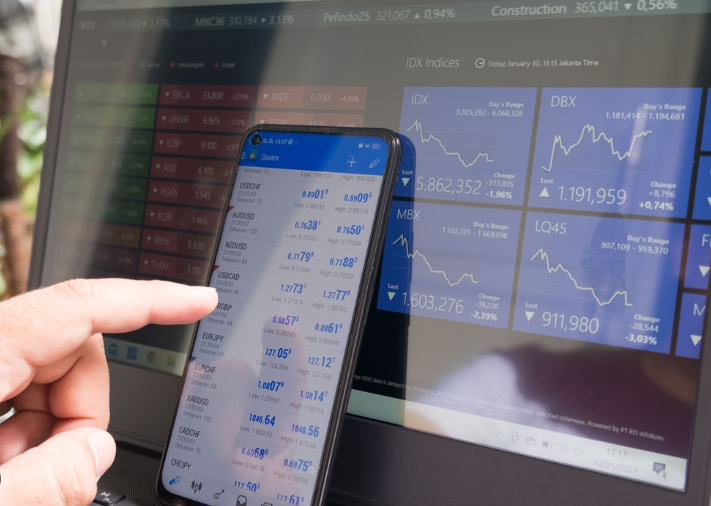
Forex trading involves the exchange of currencies in a highly dynamic and global market. This type of trading focuses on the value differences between currency pairs, allowing participants to make profits or incur losses based on these fluctuations. It has grown to be one of the largest financial markets in the world, attracting participants from various backgrounds, including students in the USA.
Unlike traditional investments such as stocks or bonds, forex trading operates 24 hours a day during the weekdays, making it unique in its accessibility. Its decentralized nature means trading can occur in multiple financial hubs around the world, such as London, New York, Tokyo, and Sydney. This schedule accommodates participants across different time zones, which could appeal to individuals who are balancing other responsibilities, like academics or part-time jobs.
Moreover, forex trading is often considered beginner-friendly, thanks to the widespread availability of online platforms and educational content. These resources help new traders gain an understanding of basic concepts such as currency pairs, pips, leverage, and market orders. The initial investment required to start trading is often lower compared to other financial markets, making it a potentially accessible option for students who might not have significant funds to invest.
However, while its appeal may be strong, forex trading is not without its complexities. It requires a solid grasp of market fundamentals and technical analysis, as well as an understanding of how global economic factors like inflation, interest rates, and geopolitical events impact currency prices. For students, gaining this foundational knowledge is a crucial first step before engaging in live trading.
Through online platforms and trading tools, accessing the forex market has never been easier, enabling a wide variety of participants, including those with limited prior experience, to explore its potential.
Benefits of Forex Trading for Students
Forex trading offers students a unique way to develop practical skills while engaging with the financial markets. By analyzing real-time data, tracking currency trends, and understanding global economic influences, students can gain hands-on experience that enhances their analytical thinking and decision-making abilities. These skills can be valuable, not just in trading but also in academic and professional settings.
The relatively low initial investment required to start forex trading is another advantage. Unlike other investment opportunities that may demand substantial capital, forex trading allows students to begin with smaller amounts, making it more accessible for those with limited budgets. Many trading platforms also offer leverage options, enabling participants to control larger positions with smaller investments, though this requires careful consideration of associated risks.
Additionally, the resources available for forex education make it easier for students to learn at their own pace. Interactive tools, online courses, and tutorials provide a wealth of information to help beginners build foundational knowledge. These resources often cater to varying levels of expertise, allowing students to progress as they become more confident in their abilities.
Forex trading can also serve as an introduction to financial independence. By managing their accounts, tracking their progress, and learning to handle profits and losses responsibly, students can develop better financial habits. This exposure to real-world financial management may help them prepare for larger financial decisions in the future.
Lastly, forex trading allows students to engage with a global market. By studying how geopolitical events, interest rates, and economic policies impact currencies, students develop a broader understanding of international economics. This global perspective is particularly beneficial for those pursuing careers in international business, finance, or economics, as it helps them stay informed and adaptable in a rapidly changing world.
Challenges Students May Face
Forex trading can be demanding for students who are juggling academics, part-time jobs, or other responsibilities. One key challenge is the steep learning curve involved in understanding market behavior and applying technical or fundamental analysis effectively. Without sufficient preparation, students may find it difficult to make informed trading decisions.
Emotional discipline is another area where students may struggle. The fast-paced nature of forex trading can lead to impulsive decisions driven by fear or greed, especially when facing losses or chasing profits. Learning to manage emotions and remain objective is essential but can be particularly challenging for those who are new to trading.
Additionally, forex trading requires staying up-to-date with global financial news and market trends, which can feel overwhelming. This need for continuous awareness may interfere with other commitments, especially during busy academic periods like exams or project deadlines.
Limited financial resources can also add pressure. While forex trading is accessible due to its relatively low capital requirements, students with tight budgets may feel the strain of potential losses more acutely. Over-leveraging, often tempting for beginners, can magnify this issue, leading to significant setbacks.
The unregulated nature of some online platforms also poses a challenge. Students need to carefully vet brokers to ensure they are trading through reputable, regulated entities. Falling victim to scams or unreliable brokers could result in the loss of funds and valuable time.
Finally, time management can be particularly tricky. Monitoring currency movements, setting up trades, and analyzing the market requires dedication, and striking a balance between these activities and academic obligations can be stressful. Developing a structured approach to trading is crucial to avoid negatively impacting studies or personal well-being.
Tools and Resources for Student Traders
For students exploring forex trading, utilizing the right tools and resources is essential for building knowledge and skills. Many online platforms provide free and paid courses tailored to both beginners and more experienced traders. Interactive learning options, such as webinars and video tutorials, are particularly effective in explaining complex concepts like technical analysis or risk management in an easy-to-digest manner.
Practice accounts offered by reputable brokers are highly recommended for new traders. These demo accounts simulate real trading environments using virtual funds, allowing students to test strategies and understand market behaviors without any financial risk. Engaging with these practice accounts can help students become familiar with the trading platform’s interface, tools, and functionalities.
In terms of analysis tools, charting software such as MetaTrader or TradingView can play a critical role in helping students track currency trends and develop trading strategies. These tools allow users to apply various technical indicators, monitor live price movements, and set alerts for specific market conditions. Many of these platforms also integrate news feeds, enabling users to stay informed about economic events that may impact currency values.
Additionally, there are numerous mobile applications designed to help students trade on-the-go. These apps often include features such as real-time market data, one-click trading, and customizable dashboards, making them convenient for those with busy schedules. Some apps even provide risk calculators and performance tracking to help traders evaluate and adjust their strategies.
For a more comprehensive understanding of forex trading, students can access financial news websites and economic calendars. These resources are helpful for tracking global developments, such as central bank decisions or geopolitical events, which can significantly influence currency prices. Access to these materials ensures that traders remain informed and adaptable in a market driven by constant change.
Legal and Ethical Considerations
The forex market operates under strict regulatory guidelines in the United States, overseen by organizations like the Commodity Futures Trading Commission (CFTC) and the National Futures Association (NFA). These agencies work to ensure a fair and transparent trading environment, protecting traders from fraudulent activities. Students engaging in forex trading must verify that their chosen broker is registered with these regulatory bodies to avoid falling victim to scams or unreliable platforms.
Ethical behavior is also a key consideration for students entering the forex market. Honest trading practices build trust and credibility, which are crucial for success in any financial activity. Avoiding deceptive actions, such as misleading others or attempting to manipulate the market, ensures that students contribute to maintaining a fair and ethical trading space.
Moreover, students should practice caution when sharing personal or financial information online. Cybersecurity risks are a growing concern, and taking steps to protect sensitive data is a vital part of ethical and secure trading. Choosing brokers that use encrypted platforms and two-factor authentication can help safeguard accounts from unauthorized access.
Another ethical aspect to consider is the impact of trading on personal finances. Students must avoid risking money they cannot afford to lose, as financial overextension can lead to long-term consequences. Approaching forex trading with responsibility and awareness of personal limits can help ensure that it does not interfere with academic or financial stability.
Transparency with parents or guardians may also be necessary for students who are new to trading. Open communication about risks, goals, and strategies can encourage a more responsible approach while building accountability. Ethical trading is about more than following rules; it’s about ensuring that actions align with values of honesty and responsibility, both to oneself and to others.
Tips for Students Starting in Forex
Starting small is key for students new to forex trading. Begin with minimal investments to limit potential losses while gaining practical experience. Understanding your risk tolerance early on is crucial, as it helps prevent overextending your finances. It’s also essential to research and select a reputable broker. Look for brokers registered with U.S. regulatory organizations, as this ensures a safer trading environment.
Creating a structured trading plan can help students stay organized. This plan should outline trading goals, strategies, and risk management techniques. Incorporating stop-loss and take-profit orders is a smart way to manage trades and minimize the impact of unpredictable market movements. Additionally, tracking progress and regularly reviewing trading performance can highlight areas for improvement and reinforce successful strategies.
Taking advantage of the wealth of educational resources available is another helpful step. Focus on understanding basic concepts like technical indicators, chart patterns, and the economic factors that influence currency prices. Engaging in free webinars or tutorials offered by trading platforms can provide further insights into the market.
Time management is also an important factor. Students should allocate specific periods for market analysis and trading, ensuring that these activities do not interfere with their academic obligations. Prioritizing schedules allows for a balance between learning about forex and fulfilling other responsibilities.
Lastly, joining online trading communities or forums can be beneficial. These spaces allow students to connect with other traders, share experiences, and gain advice on strategies or market trends. However, it’s important to remain cautious and verify the credibility of any information received in these groups. Building a foundation of knowledge, maintaining discipline, and continuously refining skills can make forex trading a more manageable and rewarding activity for students.
Conclusion: Is Forex Trading Right for You?
Forex trading presents a unique opportunity for students to engage with global financial markets while developing critical skills like analytical thinking, decision-making, and financial management. Its accessibility, low initial capital requirements, and flexible trading hours make it an attractive option for those looking to explore investment opportunities. However, it’s not without its risks. Students must approach forex trading with a clear understanding of the potential financial and emotional challenges involved.
To succeed, commitment to learning the fundamentals of the market is essential. Developing a strong foundation in concepts like currency pairs, technical analysis, and risk management can help mitigate unnecessary losses. For students balancing busy schedules, time management and setting realistic expectations are critical to maintaining academic and personal responsibilities while trading.
Ultimately, forex trading is best suited for students who are willing to invest time in education, practice with demo accounts, and adopt disciplined strategies. When approached with care and responsibility, it can provide valuable lessons in financial independence and market dynamics, offering long-term benefits beyond short-term gains.