Introduction to Forex Trading
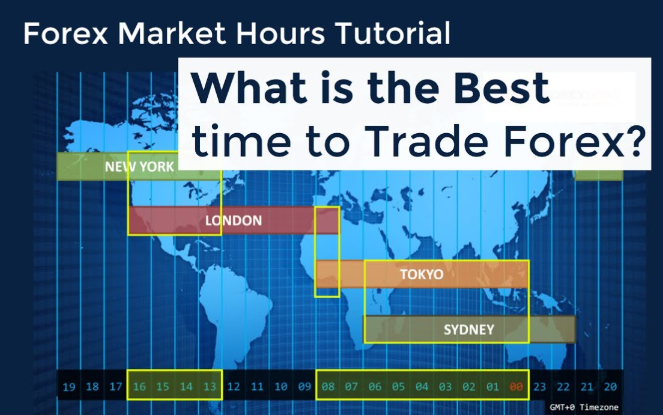
Forex trading, often referred to as foreign exchange trading, is centered around the exchange of currencies. It functions as a decentralized global market where currencies are traded against one another in pairs. This market operates around the clock on weekdays, making it highly accessible to traders worldwide. Unlike traditional stock markets, forex trading does not have a central exchange, which contributes to its high liquidity and continuous activity.
In forex trading, currency values fluctuate due to factors such as economic conditions, interest rates, and geopolitical events. Traders aim to profit by correctly anticipating these changes. For instance, if a trader predicts that the value of one currency will increase relative to another, they may buy the currency pair and later sell it at a higher price.
The rise of online platforms has made forex trading more accessible than ever before. These platforms provide users with tools to monitor markets, execute trades, and access analytical data to support decision-making. Additionally, the market accommodates various strategies, ranging from short-term trading to long-term investments, allowing individuals to tailor their approach to their preferences and risk tolerance.
While the potential for profit is attractive, forex trading requires an understanding of market dynamics and careful planning. Many platforms offer educational resources and demo accounts, giving beginners the opportunity to build confidence before trading with real funds. By gaining a solid foundation, traders can better position themselves to make informed decisions in this fast-paced market.
Current Economic Climate in the USA
The state of the US economy directly impacts the forex market, especially the value of the US dollar. Inflation trends have recently been a focal point, as they often prompt the Federal Reserve to adjust interest rates. When inflation rises significantly, the central bank may tighten monetary policy by increasing rates, which can make the dollar stronger relative to other currencies. Conversely, lower interest rates typically weaken the dollar, creating different trading opportunities.
Geopolitical events and trade policies also influence the currency market. Shifts in trade agreements or tariffs can alter international trade dynamics, affecting currency flows and valuations. Additionally, economic indicators like employment data, GDP growth, and consumer confidence reports offer insight into the strength of the economy, guiding forex traders in making their predictions.
Global factors such as energy prices and supply chain issues are also significant. For instance, changes in oil prices can impact not only the US economy but also the economies of major trade partners, which in turn influences currency pairs involving the dollar. Staying updated on both domestic and global economic developments is vital for traders looking to capitalize on market fluctuations effectively.
Advantages of Forex Trading
Forex trading is unique in its accessibility and flexibility, allowing traders to participate in the market from virtually anywhere with an internet connection. This accessibility is further enhanced by the availability of user-friendly trading platforms, which offer advanced features and resources to support traders at all levels of experience.
One of the key benefits is the market’s ability to operate continuously throughout the workweek. The 24-hour nature of forex trading allows individuals to trade during times that align with their schedules, whether early morning or late at night. This flexibility is particularly advantageous for those balancing trading with other commitments.
The forex market also provides opportunities to trade with relatively low initial capital. Through the use of micro or mini accounts, traders can start with smaller investments while gaining exposure to market dynamics. This lower barrier to entry makes it an attractive option for new traders aiming to gain experience without taking on significant financial risks.
Another appeal is the diverse range of currency pairs available for trading. With major, minor, and exotic pairs to choose from, traders can explore opportunities in various economic regions and adapt their strategies based on global trends. This variety enables a tailored approach, catering to specific interests or market insights.
Additionally, forex trading often involves lower transaction costs compared to other forms of investment. Most brokers offer tight spreads and minimal commissions, making it more cost-effective to execute trades frequently. Combined with leverage options that magnify purchasing power, traders can manage their portfolios in a way that suits their financial goals.
Risks Involved in Forex Trading
Forex trading involves significant risks that traders must carefully manage. Market volatility can lead to rapid and unpredictable changes in currency values, often triggered by economic news, policy shifts, or global events. This unpredictability requires traders to stay informed and ready to adjust their strategies when conditions change unexpectedly.
Leverage is a prominent feature of forex trading, enabling traders to control larger positions with less capital. However, while leverage can increase potential profits, it also magnifies losses. Without a solid understanding of how leverage works, traders can quickly face financial setbacks that exceed their initial investment.
Another risk comes from emotional decision-making. The fast-paced nature of the forex market can lead to impulsive actions, such as chasing losses or overtrading. Developing a disciplined approach and sticking to a pre-defined plan is crucial to maintaining long-term success.
Additionally, market liquidity, while generally high in forex, can fluctuate during certain times or with less commonly traded currency pairs. Reduced liquidity can lead to slippage, where trades are executed at a different price than expected, potentially impacting overall profitability.
It’s also important to choose a reliable broker. Unregulated or less reputable brokers may present risks such as inadequate client fund protection or unfavorable trading conditions. Ensuring a broker is properly licensed and regulated can help mitigate these concerns.
Lastly, technological risks should not be overlooked. Internet outages, platform failures, or cybersecurity threats can disrupt trading activities. Using secure systems and having contingency plans in place can reduce potential disruptions.
Understanding and addressing these risks through proper education, preparation, and the use of effective risk management tools is vital for anyone engaging in forex trading.
Technological Tools for Forex Traders
The use of technology has revolutionized forex trading, offering tools that cater to both novice and experienced traders. Modern trading platforms are equipped with advanced features such as customizable charts, technical indicators, and automated trading options, enabling traders to execute strategies with precision. These platforms also integrate with mobile applications, allowing users to monitor the market and manage trades on the go.
Algorithmic trading, or the use of automated systems to execute trades based on pre-set criteria, has become increasingly popular. These systems can analyze vast amounts of data in seconds, helping traders respond quickly to market shifts. By leveraging algorithms, traders can minimize emotional decision-making and stick to objective strategies.
Risk management tools are another critical component of forex trading technology. Features such as stop-loss orders, take-profit orders, and margin calculators allow traders to control their exposure and protect their capital. Many platforms also offer alerts and notifications to keep users informed of significant market movements in real-time.
Access to real-time economic news and updates has been streamlined through various software integrations. Economic calendars and news feeds provide traders with crucial information about upcoming events that could impact currency values, ensuring they stay informed of relevant developments.
Regulations and Legal Considerations
The foreign exchange market in the USA operates under strict regulations to ensure transparency and protect traders. The Commodity Futures Trading Commission (CFTC) and the National Futures Association (NFA) are the primary entities responsible for overseeing forex trading activities. These organizations enforce compliance with federal laws and establish guidelines to maintain market integrity.
One critical aspect of regulation involves the licensing of brokers. Brokers operating in the US must be registered with the NFA and adhere to specific financial and operational standards. This ensures that clients’ funds are safeguarded and that brokers provide fair trading conditions. Verifying a broker’s regulatory status is a crucial step for traders to avoid unregistered or fraudulent platforms.
Leverage restrictions also play a significant role in the US forex market. Unlike in some other regions, leverage in the US is capped at a maximum of 50:1 for major currency pairs and 20:1 for minor pairs. These limits are in place to help traders manage risk more effectively and prevent excessive losses.
Tax considerations are another factor for US-based forex traders. Earnings from forex trading are typically subject to capital gains tax or ordinary income tax, depending on the type of trading activity. Traders are encouraged to keep detailed records of their trades and consult a tax professional to ensure proper reporting and compliance with IRS guidelines.
To further protect traders, the US regulatory framework mandates that brokers provide clear disclosures regarding trading fees, risks, and policies. This includes details on how trades are executed, margin requirements, and any potential conflicts of interest. Access to this information allows traders to make well-informed decisions about where and how they trade.
Finally, forex traders must remain vigilant about avoiding scams and fraudulent schemes. Regulatory bodies often issue warnings about unauthorized entities, making it essential for traders to stay informed about potential risks in the market.
Tips for Beginners in Forex Trading
Starting with a solid plan is essential for anyone new to forex trading. Before making live trades, take time to identify your financial goals, risk tolerance, and preferred trading style. Having a clear plan helps maintain focus and minimizes the chances of making impulsive decisions.
Researching and selecting a reliable broker is another crucial step. Ensure the broker is regulated by the appropriate US authorities, such as the NFA or CFTC, to protect your funds and ensure fair trading practices. Review their trading platform to confirm it offers the features and tools necessary for your trading needs.
Risk management should be a priority from the start. Learn how to set stop-loss orders to limit potential losses and use proper position sizing to prevent overexposure in the market. Never risk more capital than you can afford to lose.
Staying informed about market trends and news is vital. Follow updates on the US economy, global events, and other factors that can impact currency prices. Many platforms provide access to economic calendars and news feeds, which can be valuable for decision-making.
Practicing patience and discipline is key to long-term success. Avoid rushing into trades or chasing profits after losses. Focus on consistency and adhere to your strategy, even during periods of market uncertainty.
Finally, networking with experienced traders or joining trading communities can be beneficial. Engaging with others in the trading space allows you to gain insights, share strategies, and learn from those with more experience.
Conclusion
Forex trading in the USA offers a unique combination of accessibility, flexibility, and potential profitability, making it appealing to many. However, succeeding in this market requires preparation, knowledge, and a strategic approach. Understanding the economic landscape, both domestically and globally, is critical, as currency values are influenced by a wide array of factors, including interest rates, inflation, and geopolitical developments.
Traders must also be mindful of the risks associated with forex trading, such as market volatility and the potential for leveraged losses. Using risk management tools and maintaining emotional discipline can help mitigate these challenges. For beginners, starting with a demo account and taking advantage of educational resources can build confidence and improve decision-making.
Technology plays a key role in empowering traders by offering tools for analysis, automation, and real-time updates. Choosing a regulated broker that aligns with your trading needs ensures a safer trading environment, while adherence to US regulations provides an added layer of protection.
Success in forex trading often comes down to preparation, consistent learning, and adaptability. Whether you are exploring the market for the first time or looking to refine your strategies, staying informed and approaching trading with a long-term perspective is essential.