
Introduction to Credit Scores in 2025
A credit score is a numerical representation of your creditworthiness, heavily relied upon by lenders and financial institutions to gauge risk. By 2025, shifts in the way scores are calculated and used have brought additional complexity to managing your financial health. These scores are influenced by various factors, including your payment history, amounts owed, and the length of your credit history, among others. As financial systems incorporate new technologies, staying aware of the evolving credit environment becomes more important than ever. Understanding how these changes interact with traditional credit principles is key to staying ahead.
Common Reasons for Credit Score Drops

One of the primary reasons for a credit score drop is failing to make payments on time. Late or missed payments are recorded on your credit report and can have a lasting impact, especially if they go unresolved for an extended period. Even a single missed payment can lower your score, as payment history is one of the most influential factors in credit scoring models. Similarly, carrying high balances on your credit cards, also known as high credit utilization, can negatively affect your score. This happens when you use a significant percentage of your available credit, which can indicate financial strain to lenders.
Another factor that can contribute to a score drop is applying for multiple credit accounts within a short time frame. Each time you apply for new credit, a hard inquiry is added to your credit report, and too many of these inquiries in quick succession can suggest riskier financial behavior. Additionally, closing old credit accounts might seem like a good idea, but doing so can shorten your overall credit history and reduce the average age of your accounts, both of which can impact your score negatively.
Debt that goes to collections also poses a significant challenge. Unpaid bills sent to collection agencies can appear on your credit report and lower your score considerably. This includes not just credit card debt but also medical bills, utility payments, or any other unpaid obligations. Similarly, loan defaults or bankruptcies can drastically lower your credit score and remain on your report for several years.
Even authorized users on a credit account should take care, as their activity can also affect your score. For instance, if you’re an authorized user on someone else’s credit card and they fail to make payments or carry a high balance, it could reflect poorly on your report as well. It’s crucial to stay informed about all the accounts connected to your credit history, even those you may not directly manage.
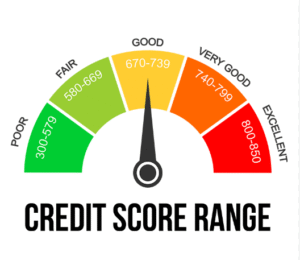
Other potential reasons for a drop include errors or inaccurate information on your credit report. Mistakes such as accounts listed incorrectly or unfamiliar entries can negatively impact your score if left uncorrected. Regularly reviewing your credit report can help you identify and address such issues before they worsen. Keeping a watchful eye on the factors within your control is critical to minimizing unexpected changes in your credit score.
New Factors Affecting Scores in 2025
Credit scoring in 2025 reflects the rapid advancements in technology and shifts in financial practices. One notable development is the growing role of artificial intelligence and machine learning in evaluating creditworthiness. These technologies allow for more detailed analyses of financial behaviors, incorporating data points that were previously overlooked. For example, patterns in digital payments or non-traditional credit indicators may now influence your score, offering a more comprehensive picture of your financial habits.
Additionally, evolving credit scoring models are adapting to prioritize different elements than before. This includes placing more weight on alternative data, such as rent payments, utility bills, and even subscription services. These updates aim to provide a broader assessment of financial responsibility, especially for individuals with limited credit histories. While this can create new opportunities for some, it may also present challenges for those who fall behind on these obligations.
The shift toward a cashless economy and the increased reliance on digital transactions have also become significant factors. Financial institutions are analyzing spending and saving patterns more closely, which could impact how your financial reliability is judged. Moreover, greater use of buy-now-pay-later services may carry both benefits and risks. While responsible use of such services can showcase your ability to manage payments, over-reliance on them may be seen as a red flag in your credit behavior.
Data privacy concerns are also influencing credit reporting practices. With heightened scrutiny on how financial data is collected and used, new regulations could shape what information is included in credit evaluations. This means that staying informed about these regulatory changes is crucial, as they may alter how your score is calculated or updated.
Finally, global economic conditions in 2025, such as inflation rates or employment trends, could indirectly impact your credit score. Shifts in these areas may influence how lenders perceive financial risk, potentially affecting approval criteria and credit availability. As financial institutions adjust their lending practices to account for broader economic factors, the way scores are utilized in decision-making processes may evolve as well.
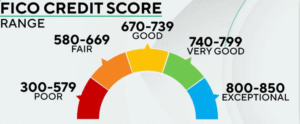
Preventing Credit Score Drops
To avoid a drop in your credit score, focus on maintaining healthy financial habits and addressing potential issues proactively. Start by keeping your credit utilization low, as consistently using a high percentage of your available credit can signal risk to lenders. Paying down balances on credit cards and other revolving accounts can help improve this ratio. Additionally, avoid applying for too much new credit within a short period. Each application can result in a hard inquiry on your credit report, and too many in a short timeframe can negatively affect your score.
Another way to protect your credit score is by keeping older credit accounts open, even if you’re not actively using them. The age of your accounts plays a role in your credit history, and closing older accounts can reduce the average age, which might lower your score. Only close accounts if they have high fees or pose another significant drawback.
Stay vigilant about monitoring all your financial obligations, including smaller bills like utilities, rent, or subscription payments that may now factor into credit scoring models. Overlooking these can lead to late payments, which may impact your score. It’s also wise to review any joint accounts or those where you’re an authorized user to ensure the primary account holder manages them responsibly.
Building an emergency fund can serve as a financial safety net, helping you avoid missing payments during unexpected financial challenges. Even a small reserve of savings can make a significant difference in maintaining consistent payments.
If you have existing debt, consider negotiating with creditors to set up manageable payment plans or explore refinancing options to lower interest rates. Reducing financial strain can make it easier to keep your accounts in good standing. Additionally, if you use buy-now-pay-later services, ensure payments are made on time and balances are kept manageable, as these are increasingly scrutinized in credit evaluations.
Lastly, stay informed about changes in credit reporting and scoring practices. By understanding how evolving models work and adapting your habits accordingly, you can better position yourself to maintain a strong score. Staying aware of any regulatory updates or industry trends can provide an edge in managing your credit effectively.
Monitoring and Managing Your Credit
Keeping a close eye on your credit activity is a key part of maintaining financial health. In 2025, advanced tools and resources make it easier than ever to stay informed about changes to your credit report. Many credit monitoring services provide real-time alerts for updates, such as new accounts, payment history changes, or unusual activity. These notifications can help you act quickly if something unexpected occurs, minimizing the potential impact on your score.
In addition to monitoring tools, regularly accessing your credit report is an effective way to ensure its accuracy. Errors like outdated balances, incorrect account statuses, or accounts you don’t recognize can appear and potentially harm your credit score if not addressed. Taking advantage of free annual credit reports through platforms like AnnualCreditReport.com allows you to review details from the three major credit bureaus. If discrepancies are found, you can file a dispute with the appropriate bureau to correct the information.
It’s also essential to monitor not just your personal accounts but any accounts where you’re listed as a joint account holder or authorized user. Mismanagement of these accounts, even if not directly handled by you, can influence your credit report. Staying informed about how these shared accounts are managed can prevent surprises.
Another important aspect of managing your credit involves protecting yourself against identity theft and fraud. With the increased use of online transactions and digital tools, securing your personal information is more important than ever. Consider placing fraud alerts or credit freezes on your accounts if you suspect suspicious activity or if your information has been compromised. These measures make it more difficult for unauthorized individuals to open accounts in your name.
Setting up autopay for your recurring bills can also help ensure payments are never missed. Late payments not only incur fees but can significantly lower your credit score. If autopay isn’t an option, setting calendar reminders or using financial apps to track due dates can help you stay on top of your obligations.
Lastly, as new credit scoring methods emerge, staying educated on what factors are being considered in your score is essential. Tracking changes to your digital payment habits or the influence of non-traditional financial data on your credit report can help you adapt your behavior to meet evolving expectations. Proactively managing your credit and staying informed of updates to credit evaluation practices can give you greater control over your financial profile.
Long-term Strategies for Credit Health
Establishing long-term credit health involves focusing on consistent financial behaviors that contribute to a stable and reliable credit profile. One important strategy is to prioritize keeping your credit utilization ratio low. Strive to use only a small portion of your available credit, as this signals to lenders that you manage credit responsibly. Paying down outstanding balances and avoiding high usage of revolving credit can help maintain a favorable ratio over time.
Another critical aspect of maintaining credit health is managing your accounts strategically. While opening new accounts can help diversify your credit mix, avoid doing so unless it’s necessary or aligns with your financial goals. Each new account comes with the potential for added responsibilities and could impact your overall credit profile if not managed carefully. When selecting new credit opportunities, choose options that provide long-term benefits, such as rewards or lower interest rates, rather than those with short-term appeal.
Maintaining older credit accounts is also beneficial for credit health, as the age of your accounts is an important factor in credit scoring models. Closing accounts, particularly ones with long histories, can reduce the average age of your accounts and potentially lower your score. If you’re not actively using an account but it doesn’t carry high fees, consider keeping it open to preserve its positive influence on your credit history.
Consistent monitoring and proactive management of your credit report are vital for long-term success. Errors or outdated information on your credit report can go unnoticed but still impact your score. Make it a habit to review your report regularly, addressing any discrepancies as soon as possible. Monitoring tools can provide alerts for changes or unusual activity, helping you stay on top of your credit profile and address potential problems early.
To build and sustain credit health, consider diversifying your credit types where appropriate. A mix of installment loans, such as car loans or mortgages, along with revolving accounts like credit cards, can demonstrate your ability to handle different forms of credit responsibly. However, only take on new debt if you’re confident in your ability to meet the repayment obligations.
Finally, creating a financial safety net can help you weather unexpected challenges without jeopardizing your credit. Building an emergency fund provides a cushion for maintaining on-time payments during periods of financial strain. Even a modest savings reserve can prevent missed payments that might harm your credit standing.
Long-term credit health requires consistent effort and attention, but implementing these strategies can help you establish a strong foundation for maintaining a solid financial reputation over time.