Introduction to Housing Market Trends in 2025
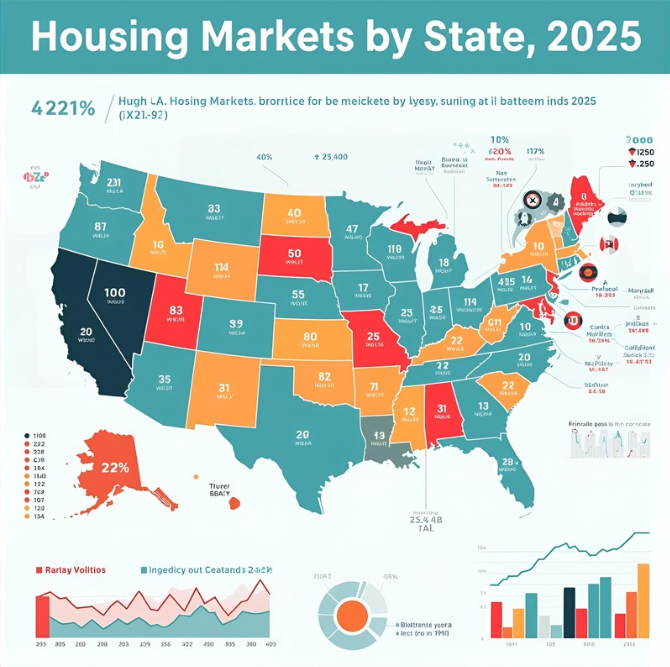
The US housing market in 2025 continues to reflect the ongoing shifts shaped by economic conditions, migration patterns, and changing consumer preferences. States across the country are experiencing diverse market conditions, with some regions showing strong price growth while others are adjusting to slower activity. These variations are influenced by factors such as job growth, affordability, and shifts in where people choose to live.
The interaction between supply and demand remains central to these trends. Areas with limited housing availability combined with high population growth are seeing upward pressure on prices. In contrast, states where supply is catching up to demand or where population growth is stagnating are experiencing more balanced or declining prices. The real estate market in 2025 highlights the importance of understanding regional dynamics, as each state is affected by unique economic and social factors driving the housing sector.
States with Rising Housing Markets
In 2025, several states are experiencing notable growth in their housing markets, driven by a combination of economic vitality and demographic shifts. States such as Texas and Florida stand out due to their ability to attract new residents and businesses, which fuels housing demand. Texas continues to benefit from a diversified economy, with industries such as technology, healthcare, and energy providing strong employment opportunities. This economic dynamism makes the state a desirable location for homebuyers and investors alike.
Florida, on the other hand, appeals to those seeking favorable tax policies, a warm climate, and access to coastal living. The state has seen significant population growth in recent years, particularly among retirees and remote workers. This influx has heightened the demand for housing, particularly in metropolitan areas like Miami, Tampa, and Orlando, as well as in suburban communities.
In addition to Texas and Florida, states such as Arizona and Tennessee are also seeing surging housing activity. Arizona attracts individuals seeking an affordable cost of living paired with access to amenities and expanding industries, particularly in the Phoenix area. Tennessee offers a balance of affordability and job growth, especially in cities like Nashville and Chattanooga, where industries such as healthcare and entertainment are thriving.
Migration trends play a critical role in the rise of these markets. States with a reputation for lower taxes, business-friendly policies, and livable environments continue to draw both individual buyers and companies looking to relocate. In many of these states, the resulting demand has outpaced available housing supply, intensifying competition for homes and putting upward pressure on prices.
Developers in these high-growth areas are working to expand housing inventory, but in some cases, supply chain constraints and zoning regulations have made it challenging to keep up with demand. Despite these obstacles, these states remain at the forefront of housing market growth in 2025, underscoring their appeal to diverse demographics.
Factors Driving Housing Price Increases
Housing price increases in 2025 are shaped by multiple factors that influence supply and demand dynamics. One major contributor is limited inventory in high-demand regions. When the number of available homes fails to meet the growing need for housing, prices are driven up as buyers compete for fewer options. Supply shortages often arise from factors such as land-use restrictions, zoning laws, or delays in construction caused by labor and material shortages.
Interest rates also play a pivotal role in shaping housing costs. While lower interest rates make borrowing more affordable, they can also stimulate demand, leading to price increases in competitive markets. Conversely, if interest rates rise, some potential buyers may rush to secure homes before further rate hikes, temporarily fueling additional demand.
Population shifts are another significant driver, particularly in states that attract large numbers of new residents. When people move to areas with better job prospects, desirable living conditions, or tax advantages, the influx of buyers creates heightened demand, which in turn pushes prices upward. This effect is often most visible in states with rapidly growing metro areas or those experiencing a surge in remote workers seeking affordable housing and high quality of life.
The labor market and wage growth also impact housing prices. In states with expanding industries or robust employment opportunities, residents often have greater purchasing power, allowing them to bid higher for properties. This is especially true in regions experiencing an economic boom, where rising incomes and job security boost confidence in homeownership as a long-term investment.
Finally, new construction efforts sometimes fall short of keeping up with demand, exacerbating price increases. Developers in areas with high growth may face hurdles such as land scarcity or regulatory challenges, which can delay housing projects. As a result, even in states where there is active construction, the imbalance between demand and available housing contributes to rising prices in 2025.
States with Cooling Housing Markets
Some states are experiencing slower housing market activity in 2025 due to a combination of economic pressures, affordability concerns, and shifting population trends. In Illinois, high property taxes and sluggish job growth are discouraging potential buyers, leading to softer demand and declining home prices. The state’s outmigration, particularly among younger professionals and retirees seeking lower costs elsewhere, further reduces competition in its real estate market.
New York’s market is also cooling, as affordability challenges and a shift in residential preferences take hold. Many buyers are opting for suburban or out-of-state locations offering more space and lower living costs. This trend has impacted urban housing demand, particularly in areas where prices remain elevated despite a reduced number of interested buyers.
On the West Coast, California continues to face a slowdown in certain regions. While the state remains desirable to some, high housing costs, taxes, and ongoing challenges related to affordability have prompted residents to consider relocating to states with lower living expenses. This shift has lessened demand for properties in specific areas, particularly in cities where cost-of-living pressures are most pronounced.
Some Midwest states are also observing cooling trends, driven by slower population growth and limited economic expansion. This dynamic has created a less competitive housing market in areas that once experienced moderate demand. In contrast to rapidly growing states in the South and Southwest, markets in these regions are feeling the effects of stagnant migration and fewer job opportunities.
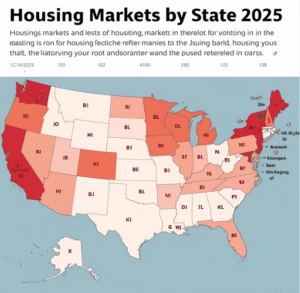
Additionally, states heavily reliant on industries facing downturns in 2025 are seeing declining real estate activity. Economic uncertainty in these regions impacts buyer confidence, contributing to reduced market participation. This slowdown in demand, coupled with persistent challenges like high property taxes or unfavorable local regulations, has led to a softer market environment, with some areas even experiencing slight price corrections. Buyers in these states often find more negotiating power, resulting in less urgency among sellers.
Influences on Housing Market Declines
Several factors contribute to housing market declines in certain states, with economic and demographic shifts often playing a significant role. States experiencing job losses or slower wage growth tend to see reduced buyer activity, as fewer residents have the financial confidence or ability to purchase homes. This decline in demand can cause housing prices to stagnate or even drop in affected areas.
Population outflows further impact housing markets by reducing the pool of potential buyers. When residents leave states due to factors like high living costs, better job opportunities elsewhere, or quality-of-life concerns, the resulting drop in demand puts downward pressure on home values. Regions that were once attractive due to urban amenities may also see declines if preferences shift toward suburban or rural living.
Regulatory and policy changes, including increases in property taxes or stricter zoning laws, can create additional hurdles for buyers. High tax burdens can deter both residents and businesses, leading to slower economic growth and reduced housing market activity. Similarly, excessive regulations can discourage new construction, which might not affect prices in high-demand areas but can limit market flexibility in slower markets.
External economic factors, such as rising energy costs or shifts in key industries, can also weaken local markets. States heavily reliant on industries that are shrinking or experiencing a downturn may find their housing sectors particularly vulnerable. This is especially true in areas where economic diversification is limited, leaving the housing market closely tied to the fortunes of a single sector.
Finally, affordability challenges play a role in market declines, particularly in areas where wages have not kept pace with housing costs. When homes become too expensive relative to local incomes, buyer participation decreases, slowing market activity. This dynamic often results in reduced competition among buyers, creating conditions where sellers may need to lower prices to close sales.
Comparison of Regional Housing Trends
Regional housing trends across the United States in 2025 showcase distinct differences shaped by geography, local economies, and lifestyle preferences. States on the East and West Coasts often experience higher housing demand due to limited space and proximity to major job markets. In these areas, buyers frequently face more competition, leading to steeper price increases in desirable urban and suburban locations. Coastal cities tend to attract professionals and international buyers, further driving demand in markets where housing is already in short supply.
Inland states, by contrast, are generally characterized by more affordable housing options and steadier growth rates. The availability of land and lower population density contribute to a slower pace of price increases in these regions. Many inland states attract families and individuals looking for cost-effective housing combined with access to a lower cost of living. These areas often appeal to first-time homebuyers, as they face fewer barriers to entry compared to high-demand coastal markets.
The divide between urban and rural areas is another factor influencing housing trends. Urban areas see consistent demand from younger professionals and those seeking career opportunities, cultural amenities, and access to public transportation. This demand drives up prices in city centers, especially in states experiencing significant population growth. However, the rise of remote work has allowed some buyers to prioritize suburban and rural living, where larger homes and outdoor space are more accessible. Suburban areas often act as middle-ground options, offering proximity to urban centers while providing a quieter lifestyle.
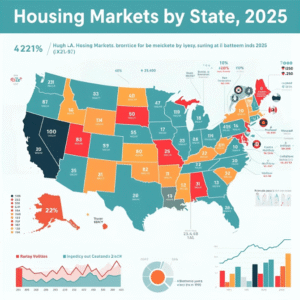
Regions with robust local economies or expanding industries tend to experience more dynamic housing markets. In contrast, states heavily reliant on struggling sectors may see slower growth. The extent to which housing prices rise or fall is heavily influenced by the balance between job availability and affordability in each region. These dynamics underline the diversity of the 2025 housing market and its regional variations.
Predictions for Future Housing Market Trends
The future of the housing market in 2025 will largely depend on how economic, policy, and demographic trends evolve. States with growing industries and population inflows are likely to continue seeing active markets, while regions facing economic challenges or population declines may experience prolonged cooling. Changes in federal and state housing policies, including incentives for affordable housing development or adjustments to zoning laws, could help balance supply and demand in some areas, potentially stabilizing prices over time.
The role of interest rates will remain a critical factor in shaping market behavior. If rates stay relatively stable or decrease, affordability may improve for some buyers, encouraging greater market activity. Conversely, potential increases in borrowing costs could limit purchasing power, cooling demand in already expensive markets. Buyers and sellers will need to monitor these financial shifts closely as they navigate real estate decisions.
Remote work continues to influence migration patterns, with many buyers prioritizing affordability and quality of life over proximity to traditional job hubs. Suburban and rural markets could see sustained interest, especially in regions where home prices remain accessible. At the same time, urban markets may face gradual recovery as more companies embrace hybrid work models, drawing some professionals back to metropolitan areas.
Developers will play a key role in determining how housing markets evolve, particularly in high-demand states. Expanding construction in affordable and mid-priced segments could help alleviate inventory pressures, though challenges like material costs and labor shortages may persist.
Economic resilience and regional employment opportunities will remain central to housing market trends. States that successfully attract new businesses and retain residents may experience steadier growth, while others may struggle with slower recovery. Buyers, sellers, and investors should closely monitor these shifting dynamics to make informed decisions as the housing landscape continues to adapt to changing conditions.