Introduction to U.S. Military and NATO
The U.S. military and NATO are central to addressing the complex challenges posed by today’s global environment. Together, they form a defense network that prioritizes both the safety of American citizens and the stability of allied nations. The U.S. military operates as one of the most advanced defense forces in the world, equipped with cutting-edge technology and a highly trained workforce. Meanwhile, NATO serves as an alliance of collective security, bringing together member nations to confront shared threats.
These two entities share a common goal of maintaining peace and stability, but their approaches are complementary. The U.S. military focuses on protecting the nation through a combination of strategic presence and technological superiority. On the other hand, NATO amplifies this effort by fostering cooperation among its members, ensuring a coordinated response to international crises. By combining their strengths, they are better prepared to tackle a wide array of challenges, from conventional military threats to emerging dangers like cyberattacks and terrorism.
At the core of their effectiveness lies the principle of unity. The relationship between the U.S. military and NATO underscores the value of shared responsibility. This interconnected framework not only strengthens the defense capabilities of individual nations but also enhances the global effort to deter aggression. Through joint missions and collaborative decision-making, they adapt to the shifting dynamics of international security, ensuring their readiness to face both current and future risks.
The success of the U.S. military and NATO hinges on their ability to respond to crises promptly and decisively. From humanitarian assistance to military interventions, their reach extends beyond borders, reflecting a commitment to safeguarding both American interests and global stability. This strategic partnership plays a pivotal role in shaping a secure and cooperative international order.
U.S. Military Defense Strategies
The U.S. military employs innovative strategies to counter evolving threats and maintain national security. A key focus lies in leveraging advanced technologies to enhance defense capabilities. Artificial intelligence plays a critical role in analyzing vast amounts of data to identify potential threats, while cyber tools are deployed to protect critical infrastructure and disrupt adversarial activities in the digital domain. These technological advancements ensure a proactive approach to safeguarding the homeland.
Strategic troop deployment across global locations remains another cornerstone of the defense system. By positioning forces in critical regions, the U.S. military strengthens its ability to respond to emerging crises swiftly. Forward-operating bases and military installations worldwide provide the flexibility needed for rapid response and logistical support during high-stakes situations.
Modernization of equipment and systems also supports mission readiness. Investments in hypersonic weapons, missile defense systems, and unmanned aerial vehicles enhance the ability to deter and, if necessary, neutralize threats with precision. These tools complement traditional military assets, ensuring comprehensive defense solutions.
Training and preparedness are equally prioritized, with rigorous exercises designed to simulate real-world scenarios. These programs refine the skills of personnel and improve their adaptability to unforeseen challenges. Collaboration with allies during joint drills further enhances operational efficiency and builds interoperability.
In addition to defensive measures, the U.S. military focuses on intelligence gathering to anticipate and counter potential risks before they escalate. This includes monitoring global developments, assessing emerging technologies used by adversaries, and maintaining a vigilant stance against both conventional and unconventional threats.
Logistics and supply chain management are critical for sustaining operations over extended periods. Efforts to secure and streamline these processes ensure that troops have access to the resources they need, regardless of where they are deployed. This multifaceted approach allows the U.S. military to maintain readiness in an increasingly unpredictable global environment.
NATO’s Collective Defense Principle
A defining feature of NATO is its commitment to collective defense, a policy that binds its members to act together in response to aggression against any one of them. This framework not only reinforces solidarity among member nations but also serves as a deterrent to potential adversaries. By presenting a united front, NATO amplifies its ability to protect member states, ensuring that no country is left to face threats alone.
The collective defense principle is operationalized through coordinated military planning, joint exercises, and resource-sharing among members. These measures strengthen the alliance’s ability to mobilize forces and respond decisively when needed. This cooperative approach enables NATO to pool the capabilities of its members, creating a force multiplier effect that enhances security across the alliance.
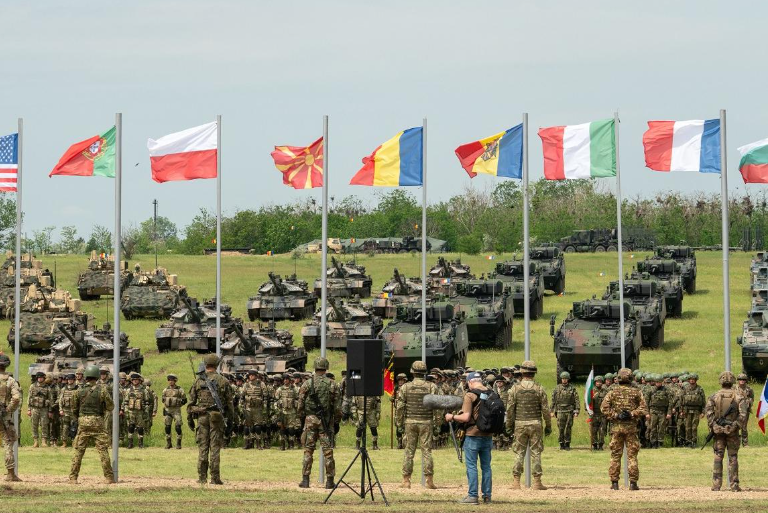
NATO’s presence and activities are also closely aligned with U.S. strategic objectives, particularly in regions of critical importance. Deployments in areas like the Baltic states and Poland illustrate how NATO addresses potential threats by reinforcing its eastern flank, a move aimed at preventing conflicts before they arise. These efforts showcase how NATO’s collective defense principle operates in practice, offering reassurance to its members while projecting strength to outside actors.
Additionally, the alliance has expanded its scope to address new security challenges, including cyber threats and hybrid warfare tactics. NATO’s Cyber Defense Policy, for instance, underscores its recognition of digital vulnerabilities as integral to modern security concerns. Member states collaborate to improve their resilience against cyberattacks, demonstrating that collective defense now extends beyond traditional battlefields.
By integrating military readiness with emerging security strategies, NATO ensures that its collective defense mechanism remains relevant in a rapidly changing global environment. Through sustained cooperation and a shared commitment to mutual protection, the alliance continues to adapt to the complexities of contemporary defense challenges.
Collaboration Between U.S. Military and NATO
The collaboration between the U.S. military and NATO is grounded in a shared commitment to security and mutual support, with each entity leveraging its unique strengths to address global challenges. By participating in coordinated operations, both sides enhance their ability to respond to complex threats effectively. These operations include everything from strategic military deployments to humanitarian assistance, reflecting the broad scope of their partnership.
Resource-sharing plays a critical role in this collaboration, as it allows for optimized use of assets, ensuring that both forces can achieve their objectives with greater efficiency. NATO member nations contribute equipment, personnel, and expertise, while the U.S. military provides technological advancements and extensive operational experience. This pooling of resources creates a robust system that can adapt to various situations on a global scale.
Intelligence sharing is another cornerstone of their partnership. By combining intelligence capabilities, the U.S. military and NATO can identify and address potential threats more accurately. This integration of information allows for faster decision-making and improved responses to emerging dangers, whether they stem from conventional military actions or unconventional tactics like cyberattacks.
Training programs conducted jointly are instrumental in improving the interoperability of forces. These exercises test the readiness of troops, refine strategies, and prepare personnel for a wide range of potential scenarios. The emphasis on joint training ensures that forces can operate cohesively under unified command structures during real-world missions.
Coordination in new domains, such as cyberspace and space, further exemplifies the evolving nature of this collaboration. By extending their partnership into these critical areas, the U.S. military and NATO are better equipped to confront modern challenges that transcend traditional battlefields, maintaining an edge in a rapidly advancing world.
Role in Global Stability
The U.S. military and NATO play a significant role in fostering stability by working to reduce the risk of conflicts and addressing regional unrest. By maintaining a visible presence in areas prone to instability, they act as a deterrent against aggression and help create conditions for peaceful resolutions. Their combined efforts contribute to reinforcing international norms that discourage the use of force and promote diplomacy as the preferred path to resolving disputes.
In addition to military actions, these organizations actively engage in building partnerships with other nations to strengthen local governance and security forces. This approach helps to address the root causes of instability, such as political corruption, weak institutions, or economic challenges, by providing training, resources, and guidance to countries in need. These collaborative efforts are especially important in regions where fragile states struggle to maintain order, as they prevent the growth of extremist groups or power vacuums that could threaten broader security interests.
Their peacekeeping and stabilization missions further highlight their commitment to promoting global order. These missions range from monitoring ceasefires to supporting post-conflict recovery efforts, ensuring that the areas affected by war or unrest have the support needed to rebuild and prevent a resurgence of violence. The ability to project power globally allows the U.S. military and NATO to intervene quickly, mitigating humanitarian crises and providing critical aid in times of natural disasters or armed conflict.
Moreover, the focus on collaborative security initiatives, such as joint counter-piracy operations and anti-terrorism efforts, demonstrates their ability to address shared concerns that transcend national boundaries. These initiatives not only improve safety in affected regions but also secure vital trade routes and resources critical to the global economy. Their proactive measures to address threats before they escalate contribute to fostering a safer and more stable international environment.
Challenges and Criticisms
The U.S. military and NATO encounter a range of obstacles that complicate their ability to fulfill their objectives effectively. One recurring issue is the financial burden associated with maintaining robust defense systems and conducting operations across the globe. For NATO, discrepancies in defense spending among member nations have sparked debates about equitable contributions, with some nations shouldering a larger share of the costs than others. These disparities can lead to tensions within the alliance and raise questions about long-term sustainability.
Political differences among member countries also pose challenges. Diverging priorities or conflicting foreign policies can create friction when attempting to coordinate collective actions. This lack of consensus sometimes delays decision-making, weakening the alliance’s ability to respond swiftly to emerging threats. In addition, balancing national sovereignty with the obligations of collective defense can be a delicate matter, as member states may disagree on the level of commitment required for specific missions.
Operational effectiveness has also been scrutinized, particularly in relation to the complexity of modern warfare. Both the U.S. military and NATO face increasing pressure to adapt to rapidly changing threats, such as cyberattacks and unconventional tactics. Criticisms often highlight the difficulty of integrating new technologies or strategies while ensuring that all member nations can keep pace with these advancements.
Public perception of military actions and expenditures is another hurdle. Questions about the necessity of certain missions or the human and economic costs involved can influence domestic and international support. The involvement in prolonged conflicts has, at times, led to calls for greater transparency and accountability in how decisions are made.
Ultimately, these challenges reflect the intricate dynamics of maintaining an international security framework. Each difficulty underscores the need for continuous evaluation, communication, and compromise to ensure the effectiveness of both the U.S. military and NATO in an increasingly unpredictable world.
Future Outlook
The future of defense and security will hinge on adaptability, innovation, and collaboration. Both the U.S. military and NATO face the challenge of staying ahead in a world where threats evolve rapidly. To maintain their edge, they must focus on integrating emerging technologies such as artificial intelligence, autonomous systems, and advanced cyber tools into their operations. These advancements will enhance decision-making, improve response times, and bolster overall defense capabilities.
Strengthening alliances and forging new partnerships will also be critical to addressing increasingly interconnected global challenges. With rising tensions in regions like Eastern Europe and the Indo-Pacific, coordinated efforts will be essential to deter aggression and maintain stability. This includes expanding joint training programs, improving intelligence sharing, and aligning strategic goals across member nations and partners.
Investments in resilience are equally important. Enhancing infrastructure to withstand both physical and cyber threats will be a priority, as will refining logistical networks to ensure smooth operations even under duress. This focus will help both organizations remain prepared for a variety of contingencies, from natural disasters to large-scale conflicts.
Additionally, addressing the root causes of instability will play a vital role in reducing the likelihood of future crises. Continued efforts in building capacity for governance, supporting economic development, and countering extremist ideologies can help prevent the emergence of threats before they escalate.
By fostering innovation, expanding cooperation, and maintaining readiness, the U.S. military and NATO will remain pivotal in shaping a secure and stable global landscape. Their ability to adapt to shifting dynamics will determine their success in protecting both American interests and broader international security.
