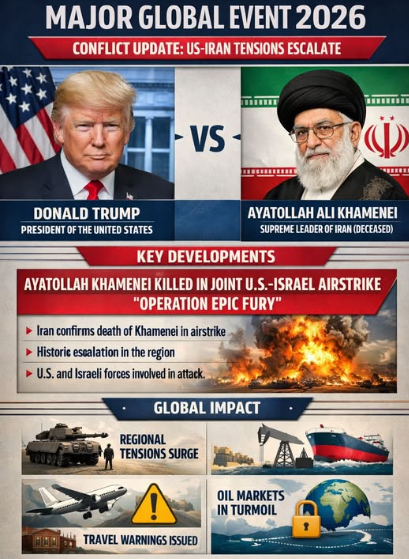
Overview of Global Tensions in 2026
The year 2026 is marked by a complicated set of international issues that have created a tense and unpredictable global environment. Economic pressures, political conflicts, environmental concerns, and technological competition are all intertwined, driving uncertainty across regions. These developments have caused a ripple effect, influencing economies, national security frameworks, and diplomatic relations worldwide.
Several regions are experiencing heightened instability, with disagreements over trade policies, territorial claims, and resource distribution playing key roles in shaping international dynamics. Meanwhile, technological advancements and cybersecurity challenges have intensified rivalries between nations, raising concerns about espionage and digital warfare. Global conversations are increasingly focused on how to manage these risks while fostering innovation.
On the environmental front, growing disputes over responsibility for climate action highlight the difficulty of finding unified solutions to shared problems. Disparities in resources and priorities between nations have only further complicated the situation, creating friction that affects international cooperation.
Social challenges, including the rising number of displaced populations and violations of basic rights, continue to demand attention and resources, adding another layer of complexity to the already volatile landscape. These humanitarian issues often overlap with political and economic concerns, creating multidimensional challenges for policymakers.
Economic Concerns and Trade Disputes
The international economy in 2026 is under significant strain, with unresolved trade disagreements impacting global financial systems. Contentious issues like tariffs, subsidies, and intellectual property theft have deepened divides between nations, complicating efforts to maintain open markets. Key trade relationships, including those between the United States and major economic powers, are under pressure, as countries adopt more protectionist policies to safeguard their industries.
These ongoing disputes have disrupted supply chains and contributed to rising costs for manufacturers. For American companies that rely on global production networks, this has created challenges in maintaining competitive pricing while addressing quality and demand. Small and medium-sized businesses, in particular, are feeling the brunt of these disruptions, as they often lack the resources to adapt quickly to shifting trade policies.
Currency fluctuations caused by uncertainty in international trade have also affected the value of exports and imports. For businesses operating in a global market, this adds another layer of complexity when it comes to budgeting and forecasting. Some industries, such as technology and agriculture, are particularly vulnerable due to their dependence on cross-border trade and access to international markets.
While trade disputes continue to fuel uncertainty, there is a growing need for dialogue and negotiation between nations. However, differing priorities and approaches to economic growth make finding common ground challenging. In the meantime, companies and consumers alike must navigate the consequences, from reduced availability of certain goods to increased production delays.
Additionally, trade tensions are influencing labor markets within the United States, as shifting supply chains prompt companies to reassess their operations. In some cases, this has led to job cuts or relocations, while other sectors have seen increased demand for workers as businesses try to move production closer to home. This evolving economic landscape highlights the broader implications of unresolved trade conflicts on employment and innovation in the United States.
Geopolitical Conflicts
In 2026, the international stage is shaped by a series of disputes and rivalries that continue to strain relations between nations. Regional conflicts over territorial claims in parts of Asia, along with disputes in Eastern Europe and the Middle East, are among the most pressing issues, as they risk escalating into larger confrontations. These situations often involve longstanding disagreements over borders, sovereignty, and historical grievances, making them particularly difficult to resolve.
Military buildups in contested areas and the increasing use of advanced weaponry add further complexity to these conflicts. As nations invest heavily in defense systems, the potential for misunderstandings or miscalculations grows, raising the likelihood of unintended clashes. This has sparked broader concerns about the implications for global stability, as major powers are often aligned with opposing sides, complicating peace efforts.
In addition to regional disputes, shifting alliances and partnerships are reshaping international relations. Some nations are exploring new diplomatic alignments that could redefine existing power structures, while others are reevaluating their commitments to traditional alliances. These adjustments are influenced by economic interests, ideological divides, and security concerns, leading to an unpredictable political landscape.
Another significant factor fueling global conflict is the competition for resources, including energy, minerals, and water. In regions where access to these resources is contested, tensions have heightened, sparking clashes and further entrenching divisions. Resource-driven disputes often intertwine with broader political and economic issues, creating challenges for mediation and resolution.
Non-state actors also play an increasing role in exacerbating conflicts. Groups engaged in terrorism, organized crime, and insurgencies exploit unstable regions, undermining efforts to restore order and further complicating diplomatic efforts. Their actions not only destabilize local areas but also pose risks to international security, as they can have far-reaching consequences beyond the immediate zones of conflict.
As these geopolitical conflicts evolve, they demand careful monitoring and strategic action to prevent the escalation of violence and the disruption of global systems.
Environmental and Climate Challenges
Environmental concerns in 2026 are increasingly centered on the challenges of managing the consequences of climate change. Severe weather events, such as hurricanes, wildfires, and droughts, are becoming more frequent and intense, devastating communities and economies. These events have led to a growing recognition of the need for stronger adaptation measures, including infrastructure improvements and disaster preparedness, to reduce vulnerability to such impacts. However, differences in national priorities and financial capabilities continue to hinder coordinated global action, leaving many regions ill-equipped to handle the escalating effects.
Rising temperatures and melting ice caps are contributing to higher sea levels, threatening coastal areas and displacing populations. The impact on agriculture is another critical issue, as shifting weather patterns disrupt food production in many parts of the world. This has not only resulted in increased food prices but also amplified competition for arable land and water, further straining already fragile international relations.
Tensions over resource management are becoming more pronounced as nations struggle to balance economic development with environmental preservation. In some areas, deforestation and overextraction of natural resources are accelerating, exacerbating climate-related damage. Efforts to implement sustainable practices are often met with resistance due to economic pressures, creating a divide between nations that can afford green technologies and those that cannot.
Moreover, debates over emission reduction targets have sparked disagreements in international forums, as developing nations push for greater accountability from wealthier countries, which have historically contributed more to global emissions. These disputes underline the difficulties in achieving consensus on strategies to combat climate change effectively.
In addition to these challenges, environmental degradation is fueling health crises, with air and water pollution linked to rising rates of respiratory and waterborne illnesses. Vulnerable populations, particularly in low-income regions, are disproportionately affected, highlighting the inequality in how environmental burdens are distributed. These ongoing challenges demand urgent and innovative solutions to mitigate the far-reaching effects of a rapidly changing climate.
Technological Rivalries and Cybersecurity Threats
The year 2026 has seen technological advancements becoming both a source of innovation and a driver of intense international competition. Nations are vying for dominance in areas such as artificial intelligence, quantum computing, and advanced robotics, viewing these technologies as essential for both economic growth and military advantage. This race has led to significant investments in research and development, with governments and private industries working to secure a competitive edge. However, this competition has also heightened global tensions, as countries guard their technological progress and intellectual property with increasing vigilance.
One critical aspect of these rivalries is the growing focus on cybersecurity. As the digital world expands, the risks associated with cyberattacks have escalated. Threat actors, ranging from state-sponsored groups to independent hackers, are targeting critical infrastructure, financial institutions, and even electoral systems. These breaches threaten not only national security but also the stability of global networks that are essential for commerce and communication.
For American businesses and government entities, the implications are severe. Supply chain vulnerabilities, intellectual property theft, and disruptions to essential services are becoming more frequent. Cybersecurity strategies must now evolve rapidly to keep pace with the sophistication of these attacks. This includes investing in new technologies designed to detect and mitigate threats, as well as fostering international cooperation to establish norms around the use of cyber capabilities.
Additionally, the use of emerging technologies in espionage has become a pressing concern. Surveillance tools powered by artificial intelligence are being deployed to gather sensitive information, raising questions about privacy and security in a rapidly changing world. The increasing interconnectedness of devices through the Internet of Things has further complicated this issue, as more entry points become available for exploitation. Addressing these challenges requires a coordinated effort across sectors, as technological rivalries and cybersecurity threats are likely to persist as defining features of the global landscape in 2026.
Social and Humanitarian Issues
Global social and humanitarian challenges in 2026 are growing in both scope and urgency, with crises such as mass displacement, inequality, and violations of basic rights demanding immediate attention. Conflicts, environmental disasters, and political instability have driven millions from their homes, creating widespread refugee movements that strain resources in host countries and leave many without access to essential services. These populations often face overcrowded camps, limited healthcare, and inadequate education opportunities, perpetuating cycles of poverty and instability.
Additionally, global inequality continues to exacerbate humanitarian concerns. Economic disparities, lack of access to clean water and nutritious food, and inadequate healthcare systems in many regions leave vulnerable populations at risk. In some areas, children are disproportionately affected, facing malnutrition and preventable diseases that could be addressed with greater international cooperation.
Human rights abuses are also becoming more widespread, as authoritarian regimes crack down on dissent and restrict freedoms. Activists, journalists, and marginalized groups face increasing threats, with limited avenues for recourse. The suppression of rights not only affects the immediate victims but also contributes to broader societal instability, as people lose trust in their governments and institutions.
Non-state actors, including militant groups and criminal organizations, often exploit these vulnerable populations, making efforts to provide humanitarian aid even more difficult. Access to affected regions is frequently blocked or disrupted by ongoing violence, and aid workers themselves face considerable risks.
The intersection of these issues with other global challenges, such as economic instability and climate change, further complicates international responses. Limited funding and competing priorities among nations have hindered effective solutions. The strain on already fragile systems highlights the pressing need for innovative approaches to address these complex crises and protect the most vulnerable populations.
Conclusion: Why Americans Should Pay Attention
The interconnected nature of today’s world means that challenges in one region can quickly influence others, including the United States. Economic disruptions abroad can lead to shifts in trade policies and supply chain issues that directly affect American businesses and consumers. Rising costs, reduced availability of goods, and changes in labor markets highlight how global instability can reach our own communities.
Geopolitical conflicts and shifting alliances have the potential to reshape power dynamics, impacting American security and diplomatic influence. The emergence of new international partnerships and rivalries may also alter the United States’ ability to maintain its position in the global economy and address pressing concerns, from energy resources to technological innovation.
Furthermore, the increasing severity of climate-related challenges underscores the urgency of global cooperation. Environmental degradation, rising sea levels, and food insecurity are not confined to specific borders—they contribute to broader global instability, which in turn has ripple effects that can strain American resources.
As technological competition and cybersecurity threats continue to grow, the risks to critical infrastructure, privacy, and national security cannot be ignored. Understanding these challenges allows Americans to better prepare for potential impacts and advocate for policies that address vulnerabilities effectively.
Humanitarian crises, while often occurring abroad, have long-term implications for the United States, from the ethical responsibility of providing aid to the pressures of addressing migration and displacement. Recognizing these dynamics is vital for fostering solutions that uphold both global stability and national interests.
Engaging with these complex issues is essential not only for policymakers but for all Americans. The choices made today will shape the nation’s future security, economic strength, and global standing. Addressing these global tensions with awareness and action is necessary to ensure a sustainable and prosperous path forward.
