Introduction to Global Tensions
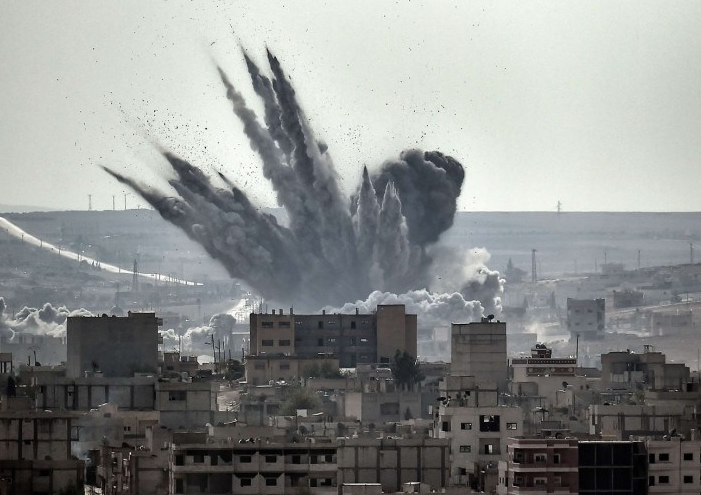
In an increasingly interconnected global landscape, events happening thousands of miles away can influence daily life in America in both direct and indirect ways. When international relationships become strained or escalate into conflict, these developments have a way of rippling through economies, industries, and communities at home. Whether through disruptions to trade networks, shifts in energy markets, or changes in government policies, global tensions shape the environment in which Americans live and work.
The widespread reliance on international partnerships for goods, technology, and resources underscores just how much the United States is tied to the rest of the world. A sudden breakdown in these systems can create challenges that impact access to vital supplies and services. Beyond economic effects, rising tensions often lead to heightened concerns about safety and security, prompting adjustments that influence public life and individual behavior.
Media coverage amplifies the visibility of international issues, bringing them into homes across America and creating a shared awareness of the stakes involved. For many, this constant exposure can lead to growing questions about the future and how global challenges may shape opportunities or risks closer to home. At the same time, technological advances and international cooperation provide both hope and tools for navigating these complexities, though their effectiveness can be heavily influenced by ongoing political and social dynamics.
Global tensions are not abstract concerns—they are threads woven into the fabric of everyday American life.
Economic Impact on Everyday Life
When global conflict escalates, economic consequences often emerge quickly, influencing the lives of American citizens in tangible ways. Prices of essential goods and services can surge as international trade routes are disrupted or key resources become harder to access. Energy markets are particularly sensitive, with fluctuations in oil and gas supplies leading to higher costs for heating, transportation, and electricity. These increased expenses strain household budgets, especially for lower-income families, who may feel the financial pinch most acutely.
Businesses may also experience reduced access to materials or components sourced from affected regions, potentially slowing production or increasing costs for consumers. In industries heavily reliant on global supply chains, such as manufacturing or technology, this could result in delays and reduced output. For workers, uncertainty may grow as companies assess risks and take measures such as freezing hiring or delaying expansion plans. Job security can become a pressing concern, especially in sectors directly tied to international markets.
At the same time, financial markets often respond to geopolitical instability with volatility, which can affect retirement savings, investments, and overall economic confidence. As stock prices fluctuate and interest rates shift, Americans may face challenges in planning for the future, whether saving for education, purchasing a home, or preparing for retirement. These financial pressures underscore the far-reaching effects of international instability on daily life.
Supply Chain Disruptions
Global conflict can have immediate and far-reaching effects on supply chains, making it more difficult to produce and deliver goods that Americans rely on daily. Manufacturing delays in impacted regions can reduce the availability of key items such as electronics, automobiles, and medical equipment. For consumers, this often means higher prices and longer wait times for products, while businesses face increased costs as they navigate limited supplies and search for alternative sources.
Transportation networks are also vulnerable, with disruptions to shipping lanes, air freight, and ground logistics leading to bottlenecks in the movement of goods. Ports and warehouses may experience congestion as companies adjust to changing conditions, creating delays that ripple through retail and service sectors. The strain on logistics systems can disproportionately affect industries that depend on just-in-time production methods, leaving them less equipped to handle interruptions.
Additionally, shortages of raw materials like semiconductors, agricultural products, and rare earth minerals can significantly impact manufacturing and technology industries. These materials are essential for a wide range of products, from smartphones to renewable energy systems. With certain regions dominating the production of these critical inputs, any instability in these areas can create cascading effects on supply availability worldwide.
Shoppers may also encounter empty shelves or find themselves needing to adjust to alternative or less familiar brands, as suppliers prioritize certain markets or scale back production. This level of unpredictability can influence purchasing habits and force businesses to reassess their inventory strategies. For industries such as healthcare, where timely access to supplies is critical, even minor disruptions can lead to larger operational challenges, highlighting the fragility of globally interconnected systems.
Security and Public Safety Concerns
As international tensions rise, the United States often strengthens measures to safeguard critical infrastructure and public spaces. Airports, transportation hubs, and other high-traffic areas may see increased security screenings, which can lengthen travel times and require additional preparation from travelers. Law enforcement agencies may enhance their presence in urban centers and around key facilities, including government buildings, financial institutions, and power plants. Local governments might also introduce emergency preparedness campaigns, encouraging communities to develop plans for potential crises, such as natural disasters or disruptions to essential services.
In some cases, public events, including concerts or large gatherings, could face heightened regulations or even cancellations if risks are deemed too significant. These changes reflect broader efforts to manage vulnerabilities, particularly in cities or regions considered more likely to be targeted by hostile actions or cyber intrusions.
Digital surveillance can also increase, as both private companies and government entities aim to detect potential threats in real time. While these measures are often framed as necessary for public safety, they may raise concerns about privacy and civil liberties, sparking debates on how best to balance security with individual freedoms. Moreover, industries tied to defense, such as cybersecurity and emergency management, may expand their influence and resources to counter emerging risks. Residents in areas near military installations or strategic assets might notice heightened activity or changes to local protocols, reflecting preparations tied to the evolving global environment.
Political Climate and Public Opinion
Global tensions often reshape political priorities in the United States, driving changes in government strategies and decision-making. Policies may shift toward increasing military funding, reinforcing international alliances, or implementing stricter trade regulations to respond to emerging risks. These decisions can generate significant debate within political circles and among the general public, as competing perspectives emerge about how best to address complex global challenges.
Elected officials may face pressure from constituents to strike a balance between addressing international crises and maintaining focus on domestic issues, such as healthcare, education, and infrastructure development. As political leaders respond to external threats, public opinion can become deeply divided, with individuals often aligning their views along partisan lines. For some, the emphasis on defense and diplomacy may be seen as necessary to protect national security, while others may question the long-term consequences of allocating resources toward global engagement over pressing domestic needs.
Media coverage plays a powerful role in shaping these opinions, with news outlets, social media, and other platforms influencing how Americans perceive international events. The language used in reporting and the framing of global issues can amplify emotions such as fear, anger, or resolve, shaping public conversations and attitudes. These dynamics can create polarization, but they also offer opportunities for dialogue and civic engagement as citizens seek to better understand the United States’ position in the world and the implications of its actions.
Technological and Cybersecurity Issues
The growing reliance on interconnected systems in the United States makes cybersecurity a critical concern during periods of global conflict. Adversaries may exploit vulnerabilities in technology infrastructure to disrupt services or gather sensitive information. Cyberattacks targeting banks, healthcare systems, or communication networks can create widespread disruptions, affecting both individuals and businesses. Such attacks are often designed not only to cause immediate harm but also to undermine public confidence in critical systems.
Increased risks have driven both public and private sectors to enhance their defenses, with many organizations implementing advanced encryption, threat detection tools, and contingency plans to counter potential breaches. Government agencies are also focusing on collaborating with private companies to share intelligence and strengthen cybersecurity protocols across key industries. The integration of artificial intelligence and machine learning is playing an increasingly vital role in identifying potential threats and mitigating risks more efficiently.
While technology offers tools for addressing vulnerabilities, it also presents new challenges. As digital warfare becomes more sophisticated, maintaining secure systems requires constant adaptation and investment in skilled personnel. Education and workforce development in cybersecurity have become priorities to ensure that professionals are equipped to respond to evolving threats.
At the same time, the dependence on global supply chains for components like semiconductors raises additional concerns. If international tensions disrupt access to these resources, the production of essential cybersecurity equipment and software could face delays. These obstacles highlight the need for domestic innovation and manufacturing capabilities to reduce reliance on foreign suppliers. As cyber risks grow, the pressure to secure the nation’s technological infrastructure continues to intensify, emphasizing the importance of staying ahead in this rapidly evolving landscape.
Psychological and Emotional Effects
The ongoing presence of global conflict in news cycles and social media can significantly influence mental health, creating a pervasive sense of unease for many individuals. Exposure to reports of violence, instability, and potential threats can heighten feelings of vulnerability and lead to increased levels of stress or fear. For some, this persistent uncertainty may disrupt daily routines, making it harder to focus on work, relationships, or personal goals. Sleep disturbances and difficulty concentrating are common reactions as people try to process the overwhelming amount of information and its potential implications.
Children and adolescents, in particular, may struggle to understand the complexity of these events, often absorbing the concerns of adults around them. This can lead to heightened anxiety or behavioral changes, especially if discussions of global instability dominate conversations at home or school. Educators and parents may find themselves balancing the need to inform young people while protecting their sense of security.
At the community level, the strain of global tensions may influence social interactions, as differing opinions on these matters can sometimes create friction among friends, family members, or coworkers. However, many communities respond to this stress by fostering a greater sense of togetherness, providing opportunities for individuals to connect through shared concerns or collective action. Faith-based organizations, nonprofits, and local support networks often step in to help people process their emotions and adapt to changing circumstances.
As uncertainty persists, the availability of mental health resources plays a critical role in helping individuals manage their responses. Access to counseling, therapy, or group support can provide essential tools for coping with feelings of anxiety or fear. Public awareness campaigns and workplace programs are increasingly recognizing the importance of addressing these psychological challenges, promoting strategies to maintain emotional balance during uncertain times.
Environmental Concerns
The environmental impact of global conflict often extends beyond the immediate destruction caused by warfare, influencing ecosystems, resource availability, and long-term conservation efforts. Military operations can lead to significant pollution, including contamination of soil, water, and air from chemical spills, explosives, or damaged infrastructure. Forests, wetlands, and other critical habitats may be destroyed during combat or through the displacement of populations, further threatening biodiversity and wildlife.
Global tensions can also disrupt international cooperation on environmental issues, as partnerships between nations are strained or broken. Agreements aimed at reducing carbon emissions or protecting endangered species may lose momentum when resources and attention are diverted to address immediate security concerns. This can delay progress on urgent environmental goals, such as transitioning to renewable energy or preserving fragile ecosystems.
In regions reliant on natural resources for economic stability, global conflict can accelerate overexploitation or illegal activities, such as deforestation, mining, and poaching, as governments lose control over affected areas. For the United States, reliance on foreign sources for key materials like rare earth elements or fossil fuels can heighten the need for more sustainable domestic solutions.
Despite these challenges, crises can also drive innovation and highlight the importance of developing resilient environmental policies. By investing in renewable energy technologies, strengthening local ecosystems, and supporting sustainable industries, the United States can reduce its vulnerability to external disruptions while maintaining progress on addressing environmental challenges. These efforts require balancing immediate priorities with a long-term commitment to safeguarding natural resources for future generations.
