Introduction to EV Growth
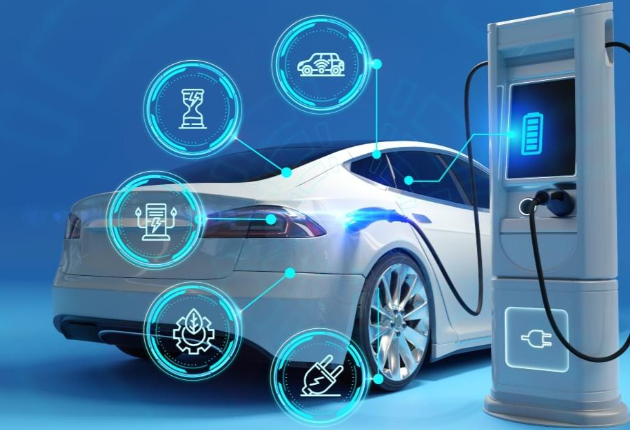
The growth of electric cars in the US represents a pivotal change in how Americans think about transportation. Over the past decade, the EV-market has expanded rapidly, driven by a combination of innovation and shifting priorities among consumers. Electric vehicles are no longer niche products; they are becoming mainstream options that appeal to a broader audience.
Manufacturers are introducing more models across different price points, making electric cars accessible to a wide range of buyers. From compact cars to luxury SUVs and even trucks, the variety of choices has broadened significantly, ensuring that there is an electric option for nearly every lifestyle. This diversity has helped the EV-market become increasingly competitive, pushing automakers to continually improve their offerings.
In addition to wider availability, evolving consumer attitudes are shaping the market. People are becoming more mindful of how their choices impact the planet and are actively seeking alternatives to gasoline-powered vehicles. This shift is mirrored by the automotive industry, which is increasingly prioritizing sustainability in its long-term strategies.
Another critical factor fueling the growth of electric cars is the collaboration between private companies and public initiatives to advance EV-related technology and infrastructure. Automakers, tech firms, and governments are investing heavily in research and development, aiming to improve everything from vehicle performance to charging systems. These efforts have not only enhanced the quality of electric cars but have also paved the way for broader adoption by reducing many of the barriers that once deterred buyers.
As interest in electric vehicles grows, they are reshaping the automotive industry. This transformation reflects not just a change in consumer preferences but also a reimagining of what the future of transportation could look like, with a focus on efficiency, innovation, and sustainability.
Environmental Benefits
Electric cars offer a significant advantage when it comes to reducing harmful emissions and improving air quality. Unlike vehicles powered by internal combustion engines, they rely on electricity, which can be generated from renewable energy sources such as solar, wind, and hydroelectric power. This shift away from fossil fuels contributes to a substantial decrease in greenhouse gas emissions during vehicle operation, helping to address the pressing issue of climate change.
Additionally, as more electric vehicles replace gas-powered ones on the road, urban areas see a noticeable improvement in air quality. This change is especially important in cities where high traffic volumes often lead to smog and poor air conditions that negatively affect public health. Reduced air pollution means fewer respiratory and cardiovascular issues for those living in densely populated regions.
Electric cars also help minimize noise pollution. Traditional engines can be loud, especially in busy areas, whereas electric motors operate much more quietly. This feature creates a more peaceful environment, benefiting both drivers and pedestrians.
As the energy grid transitions toward cleaner power generation methods, the overall environmental impact of electric cars continues to improve. This dynamic ensures that the benefits of driving an electric vehicle extend far beyond individual ownership, creating ripple effects that support broader ecological goals.
Furthermore, electric vehicles encourage innovation in the energy sector. The demand for sustainable energy sources has led to increased investment in renewable technologies, indirectly driving progress in the way energy is produced and consumed nationwide.
Technological Advancements
Advancements in technology have revolutionized the electric vehicle market, particularly in the realm of batteries. Modern battery systems are more efficient and durable, allowing for greater storage capacity and longer ranges. These improvements address one of the key concerns consumers had in the past—range anxiety—by enabling electric vehicles to cover greater distances on a single charge, making them viable for everyday use and longer trips.
Beyond batteries, charging technology has also evolved significantly. Fast-charging stations are becoming more common, enabling drivers to recharge their vehicles quickly and get back on the road. Some stations can now provide enough charge for hundreds of miles in just a fraction of the time it used to take. This progress, coupled with expanding networks of charging locations across the country, is improving convenience and reducing concerns about accessibility.
Integration of software and connectivity is another area of rapid innovation. Electric vehicles increasingly come equipped with smart features, such as real-time updates on battery health, energy efficiency monitoring, and route planning based on available charging stations. These tools enhance the driving experience and offer greater control to users. Advanced driver-assistance systems (ADAS) are also becoming more sophisticated, improving safety through features like adaptive cruise control, lane-keeping assistance, and collision avoidance systems.
Materials science is contributing to progress as well, with research focused on lighter, stronger materials for vehicle construction. These materials improve overall energy efficiency by reducing the weight of the car, which helps maximize battery performance.
Finally, energy management systems in electric vehicles are advancing, allowing for better regulation of energy consumption. Regenerative braking, for example, converts kinetic energy into electricity, further extending driving range and reducing wear on the braking system. These technological breakthroughs are addressing earlier limitations while continuously enhancing the capabilities of electric vehicles.
Economic Incentives
Economic policies and financial advantages are making electric cars an increasingly attractive choice for many consumers. Federal and state governments are offering tax credits, rebates, and other incentives to encourage the purchase of electric vehicles, lowering the initial cost for buyers. These programs are designed to make the transition to electric cars more affordable and to accelerate their adoption nationwide.
In addition to these upfront savings, electric vehicles have significantly lower long-term operating expenses compared to traditional cars. With fewer mechanical components, such as oil-based engines or transmission systems, electric vehicles require less maintenance over their lifespan. This translates into fewer trips to the mechanic and reduced repair costs, further adding to the appeal of electric car ownership.
Another economic advantage is the lower cost of fueling an electric car. Charging an electric vehicle is typically much cheaper than filling a gas tank, especially when using at-home charging stations or taking advantage of off-peak electricity rates. As a result, drivers can save thousands of dollars on energy costs over the life of their vehicle.
Many utility companies are also introducing programs tailored to electric vehicle owners, such as discounted electricity rates or incentives for installing home charging equipment. These programs aim to make EV ownership even more practical and budget-friendly. Additionally, businesses and workplaces are increasingly offering free or low-cost charging as a perk, providing further financial relief for electric vehicle drivers.
As electric cars grow in popularity, these economic factors are combining to make them an appealing option for budget-conscious buyers, helping to expand their presence across the US.
Consumer Demand
The interest in electric cars is being shaped by evolving priorities among consumers who are increasingly focused on environmentally responsible choices. Many individuals are drawn to electric vehicles due to their potential to lower carbon footprints, aligning with the growing desire for sustainable living. This heightened awareness is prompting buyers to seek alternatives to traditional gas-powered cars, and electric vehicles offer a practical solution.
Beyond environmental considerations, electric cars appeal to those looking for more predictable transportation costs. With gas prices often fluctuating, switching to electricity provides a level of stability that consumers find appealing. The option to charge vehicles at home or take advantage of public charging stations at a lower cost than traditional fueling makes electric cars an attractive financial choice for everyday use.
Modern electric cars are also meeting consumer expectations for comfort and innovation. Drivers are seeking cars that provide more than just basic transportation, and the advanced features in electric vehicles—like seamless connectivity, user-friendly technology, and enhanced safety systems—are meeting these demands. The growing variety of models, from compact city cars to luxury vehicles, ensures there is something available for a broad range of preferences and budgets, widening their appeal to first-time buyers and long-time car enthusiasts alike.
Additionally, automakers are responding to consumer feedback by addressing barriers that once made electric vehicles less appealing, such as limited range or long charging times. As these concerns are mitigated, more buyers are willing to consider making the switch. This responsiveness from manufacturers, combined with the increased availability of charging infrastructure, is giving consumers greater confidence in their ability to transition to electric cars without compromising convenience or practicality.
Peer influence is also playing a role, as the visibility of electric vehicles on the road continues to grow. Seeing friends, neighbors, or colleagues adopt electric cars is inspiring others to explore the option, further fueling interest and demand across various demographics.
Challenges and Considerations
Electric vehicles face several ongoing challenges that need to be addressed to support their widespread adoption. One pressing issue is the need for reliable and affordable access to charging infrastructure in both urban and rural areas. While progress has been made in expanding charging networks, some regions still lack sufficient facilities, making it difficult for drivers to rely solely on electric cars, particularly during long-distance travel. This gap in infrastructure highlights the importance of continued investment and collaboration between public and private sectors.
Another challenge lies in the supply chain for raw materials used in EV batteries, such as lithium, cobalt, and nickel. Mining and processing these materials can have significant environmental and ethical implications, raising concerns about their long-term sustainability. Efforts to develop alternative battery technologies and improve recycling methods are crucial to reducing the reliance on these finite resources and minimizing the environmental footprint of electric vehicles.

Cost is another factor that remains a consideration for many potential buyers. Although prices for electric vehicles have decreased over time, they can still be higher upfront compared to traditional cars, especially for newer models with advanced features. Some consumers may hesitate to make the switch due to budget constraints, even with the availability of tax credits and rebates.
Weather conditions can also affect the performance of electric vehicles. In extremely cold climates, battery efficiency may decrease, leading to shorter driving ranges and increased energy consumption for heating systems. This variability in performance could influence the appeal of EVs in certain regions.
Additionally, the automotive repair industry is adapting to the rise of electric vehicles. Many mechanics are not yet fully trained to handle EV-specific repairs, and replacement parts for certain models can sometimes be harder to source. This creates potential concerns for drivers about maintenance availability and costs, particularly for older or less common electric vehicles.
While these challenges are not insurmountable, addressing them effectively is critical to ensuring the continued growth of the EV-market.
Future Prospects
The electric vehicle market is expected to see remarkable advancements in the coming years, driven by rapid progress in technology and increasing consumer interest. Automakers are focusing on refining production processes to make electric cars more affordable without compromising quality. As prices become more competitive, a wider range of buyers will be able to access these vehicles, contributing to their growing popularity.
Expanding charging infrastructure remains a priority, with both public and private investments aiming to improve convenience and accessibility across the country. The introduction of ultra-fast charging systems and wireless charging solutions could further simplify the ownership experience, encouraging even more people to make the switch to electric vehicles.
In addition to advancements in charging, breakthroughs in battery technology are anticipated to revolutionize the industry. Next-generation batteries, including solid-state designs, promise greater energy density, longer life spans, and faster charging capabilities. These improvements could significantly enhance the overall efficiency and reliability of electric vehicles, solidifying their role in the mainstream automotive market.
The integration of smart features and autonomous driving systems is also expected to grow. Innovations in artificial intelligence and vehicle-to-grid technology will allow cars to communicate seamlessly with energy networks, optimizing energy use and creating new opportunities for sustainability.
Policy shifts and corporate commitments to carbon neutrality are further accelerating the transition. As governments set stricter emission standards and offer incentives for clean energy adoption, the electric vehicle market is likely to benefit from strong institutional support.
With these advancements on the horizon, the electric vehicle industry is not just evolving—it is transforming how Americans think about transportation. These developments point to a future where electric vehicles dominate roads, offering innovative, efficient, and environmentally responsible options for drivers nationwide.
