Understanding Forex Trading
Forex trading involves exchanging one currency for another, aiming to profit from changes in their relative values. This global marketplace operates across various time zones, enabling participants to trade at almost any time. It’s important for those new to the field to familiarize themselves with key components like currency pairs, which represent the value of one currency compared to another. Major pairs, such as EUR/USD or GBP/USD, are often the most liquid and heavily traded, making them a common starting point for beginners.
A critical aspect of forex trading is understanding leverage, which allows traders to control a larger position with a smaller initial investment. While leverage can increase potential returns, it also carries the risk of amplifying losses. Beginners should approach it cautiously, ensuring they are aware of the potential financial consequences of their trades. Additionally, forex prices are influenced by numerous factors, including economic indicators, geopolitical events, and central bank policies. Staying informed about these influences can help traders make more informed decisions.
Another distinguishing feature of forex trading is its decentralized nature. Unlike stock markets that have central exchanges, forex trading occurs over-the-counter (OTC) through a network of banks, brokers, and institutions. This decentralized structure contributes to the market’s high liquidity, as traders from all over the world participate at all hours. However, this also means that the market can be susceptible to abrupt price movements, especially during major economic announcements.
For newcomers, dedicating time to education and research is vital. Exploring topics such as technical and fundamental analysis can provide insights into price trends and market behavior. Technical analysis focuses on chart patterns, historical data, and indicators, while fundamental analysis examines the underlying economic factors that drive currency movements. Understanding both methods can give traders a well-rounded approach to navigating the market.
Practice is another essential step for beginners. Many brokers offer demo accounts, which allow traders to simulate trading with virtual funds. This is a risk-free way to test strategies, learn how to use trading platforms, and gain confidence before committing real money. Starting with a demo account also enables traders to get accustomed to the fast-paced nature of forex trading without the pressure of potential financial loss.

Finally, the ability to remain disciplined and patient plays a significant role in success. Forex trading requires time and effort to master, and developing a structured approach can help traders make informed choices rather than emotional reactions.
Regulations in the USA
The United States enforces strict regulations on forex trading to create a transparent and secure trading environment. All brokers operating within the country must register with the Commodity Futures Trading Commission (CFTC) and become members of the National Futures Association (NFA). These regulatory bodies implement measures to prevent fraudulent activities and promote integrity in the forex market. By ensuring brokers adhere to strict compliance standards, they help protect traders from unethical practices.
One key requirement for brokers under U.S. regulations is maintaining high financial standards, including capital requirements, to ensure their ability to meet obligations. Brokers must also provide segregated accounts for client funds, which ensures customer deposits are not used for the broker’s operational purposes. This is a critical safeguard that protects traders in case the broker faces financial difficulties.
Additionally, U.S. regulations limit the maximum leverage brokers can offer to retail forex traders. This cap is intended to minimize the risks associated with high-leverage trading, which can result in substantial losses for inexperienced traders. While this limitation may seem restrictive, it serves as a protective measure, particularly for those new to the market who might otherwise overextend their positions.
Regulated brokers are required to adhere to strict reporting and record-keeping obligations. These requirements promote transparency by ensuring that all transactions are documented and made available for review by regulatory bodies. Traders working with compliant brokers can have greater confidence in the fairness and accuracy of their trades.
To verify a broker’s regulatory status, traders can access the NFA’s online database. This tool allows users to check the broker’s registration, any disciplinary actions, or unresolved issues. Conducting this due diligence is an essential step for anyone entering the forex market in the United States, as it ensures the chosen broker meets established standards and prioritizes client security.
Common Risks in Forex Trading
The forex market’s decentralized structure and round-the-clock operation contribute to its dynamic nature, but they also introduce several risks that traders must navigate. One significant challenge is the influence of external factors, such as global economic events, political developments, and monetary policy changes. These elements can create sudden price fluctuations, making it difficult to predict market movements accurately. For traders who are unprepared or lack sufficient knowledge, such unpredictability can lead to costly mistakes.
Another notable risk stems from over-leveraging. While leverage allows traders to control larger positions with a smaller amount of capital, it can quickly magnify losses when trades go in an unfavorable direction. Many new traders are drawn to the potential for higher profits without fully understanding the risks involved, leading to financial strain when positions move against them. Learning how to use leverage conservatively is crucial to avoiding unnecessary exposure to excessive risk.
Market liquidity is another consideration that can impact trading outcomes. While the forex market is known for its high liquidity, certain times or currency pairs may experience lower trading activity. Reduced liquidity can result in wider spreads or slippage, where executed trades occur at prices different from what the trader intended. This is especially true during major news announcements or when trading exotic currency pairs, which tend to have less market participation compared to major pairs.
Additionally, emotional decision-making can be a significant risk factor in forex trading. The fast-paced environment can trigger impulsive reactions, such as entering trades based on fear of missing out or holding onto losing positions in the hope that the market will reverse. These behaviors often lead to compounding losses rather than informed decisions rooted in analysis and strategy. Developing the discipline to stick to a trading plan can help mitigate this issue.
Technical and technological challenges can also pose risks for traders. A poorly functioning internet connection, issues with a trading platform, or server errors can result in missed opportunities or unintended losses. Ensuring access to reliable technology and having backup systems in place can help minimize disruptions that may interfere with executing trades efficiently.
Lastly, the prevalence of scams and fraudulent brokers adds another layer of risk, particularly for those who fail to research and verify their broker’s credentials. Working with unregulated or unscrupulous brokers may result in lost funds or limited recourse in the event of disputes. Being vigilant in choosing a regulated broker with a proven track record is essential to safeguarding investments and ensuring a fair trading environment.
Beginner Mistakes to Avoid
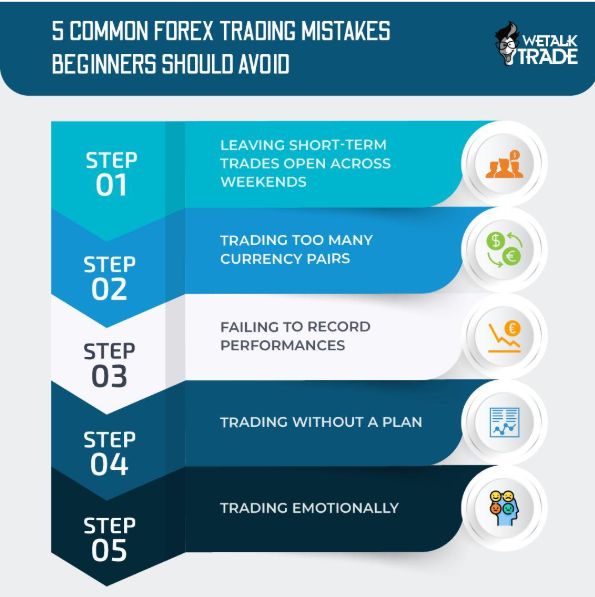
Many novice traders often rush into the forex market without dedicating sufficient time to building a foundational understanding of how it operates. Jumping straight into live trading without practicing on a demo account is a common misstep. Demo accounts allow beginners to get familiar with trading platforms, test strategies, and gain a sense of market dynamics without the pressure of risking actual money. Skipping this step can leave traders unprepared for the challenges of live trading.
Failing to adequately research market trends and currency behavior is another frequent error. Beginners sometimes rely on guesses or unverified advice instead of conducting their own analysis. Overlooking the importance of studying technical indicators, chart patterns, or economic factors can result in poorly informed trades. Developing a habit of staying updated on financial news and learning to interpret data is crucial for making more informed decisions.
Overtrading is another mistake that can quickly derail a new trader’s progress. The excitement of potential profits can lead some to place multiple trades in quick succession, often without proper analysis. This approach not only increases the risk of losses but also prevents traders from developing a structured strategy. Setting clear guidelines on trade frequency and focusing on quality over quantity can help mitigate this issue.
Another miscalculation beginners make is underestimating the impact of trading costs. Spreads, commissions, and other fees can add up over time and eat into profits. Beginners should take the time to understand the cost structure of their broker and factor these expenses into their overall trading strategy. Ignoring these costs can result in unrealistic profit expectations and financial strain.
One significant pitfall for new traders is failing to manage emotions effectively. The highs and lows of forex trading can lead to emotional decision-making, such as chasing losses or doubling down on risky trades after a setback. Beginners should aim to approach trading with a clear mind and avoid letting fear or greed dictate their actions. Establishing a routine that includes regular breaks and setting time limits on trading sessions can help maintain emotional balance.
Finally, many beginners underestimate the importance of continuous education. The forex market is highly dynamic, and strategies that work today may not be as effective tomorrow. Neglecting to update one’s knowledge or adapt to changing market conditions can result in stagnation or increased losses. Regularly revisiting trading techniques, studying new strategies, and learning from past mistakes are essential for growth in this field.
Choosing the Right Broker
When starting in forex trading, selecting a broker that aligns with your needs and goals is an essential decision. An ideal broker should be licensed and compliant with regulations, ensuring a secure and transparent trading experience. U.S.-regulated brokers, for instance, must adhere to stringent requirements enforced by the Commodity Futures Trading Commission (CFTC) and the National Futures Association (NFA). These regulations are designed to safeguard traders by promoting ethical practices and minimizing risks.
A broker’s reputation is another key consideration. Reading reviews from other traders and verifying the broker’s track record can provide valuable insights into their reliability and customer satisfaction. Pay attention to how the broker handles issues such as withdrawals, platform stability, and customer support responsiveness, as these factors can significantly impact your trading experience. Responsive and knowledgeable customer service is especially crucial for beginners who may need assistance navigating trading platforms or understanding policies.
Additionally, the features and functionality of the trading platform offered by a broker play a significant role in your ability to execute trades effectively. Look for a user-friendly interface, clear charting tools, and customizable options that allow you to tailor the platform to your trading style. Many brokers offer demo accounts, giving you the opportunity to test their platform before committing real funds. This can help you determine whether the platform meets your specific needs without the risk of financial loss.
Trading costs, such as spreads and commissions, should also be carefully evaluated when comparing brokers. These fees can vary widely between providers and can affect your overall profitability over time. Choosing a broker with competitive spreads and transparent pricing can make a notable difference, particularly for those trading frequently or with smaller accounts. Keep in mind that some brokers may also charge additional fees, such as inactivity fees or withdrawal charges, so it’s important to review their fee structure thoroughly.
Educational resources are an invaluable feature for beginners. Some brokers offer a range of tools, including webinars, tutorials, and market analysis, to help new traders build their knowledge base and improve their skills. Taking advantage of these resources can accelerate your learning process and provide a clearer understanding of the market. Brokers that prioritize education demonstrate their commitment to helping traders succeed rather than focusing solely on profits.
Another factor to consider is the range of trading instruments offered by the broker. While forex pairs are the primary focus, many brokers also provide access to other markets such as commodities, indices, or cryptocurrencies. Having a broader selection of trading options can give you the flexibility to diversify your strategies and adapt to different market conditions.
Lastly, consider the broker’s account types and minimum deposit requirements. Some brokers offer tiered accounts designed to cater to traders with varying experience levels and financial resources. Beginners may benefit from accounts with lower minimum deposits and simpler structures, while more advanced traders might prefer accounts with additional features like higher leverage or premium tools. Reviewing these options ensures that you choose an account that matches your current needs while leaving room for growth as your skills and experience evolve.