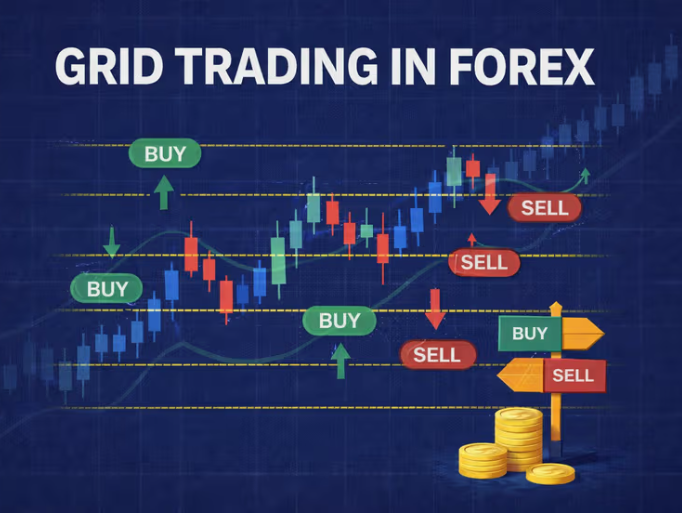
Introduction to Forex Trading in America
Forex trading has gained significant traction in the U.S. over the past several years, attracting a diverse group of participants ranging from individual investors to institutional traders. Its appeal lies in the promise of high returns and the accessibility of global currency markets through online platforms. Technological advancements and the expansion of digital tools have made trading more convenient than ever, drawing in new participants at an unprecedented rate.
The forex market operates 24 hours a day, five days a week, offering a dynamic and fast-paced environment for traders to engage in buying and selling currency pairs. However, this constant activity requires traders to be vigilant and informed, as market conditions can shift rapidly. Success often depends on understanding global economic factors, such as interest rates, geopolitical events, and economic data releases, which influence currency values.
At its core, forex trading demands a combination of knowledge, skill, and strategic planning. Yet, the growing interest in this financial market has brought in a surge of inexperienced traders who may not fully grasp the intricacies of currency trading. Without a clear understanding of market mechanisms and the associated risks, many participants face challenges when attempting to achieve consistent results.
Additionally, the widespread availability of forex trading platforms has made it easier for individuals to enter the market with minimal barriers. While this democratization of trading has its benefits, it has also resulted in the proliferation of misleading information and unreliable resources. This environment makes it increasingly difficult for newcomers to distinguish between legitimate opportunities and potential pitfalls.
Understanding the basics of forex trading, including its risks and rewards, is essential for anyone looking to participate in this ever-evolving market. As the landscape continues to change, traders must stay informed and adapt their strategies to remain competitive in this complex financial environment.
Rising Forex Trading Losses
The ongoing rise in forex trading losses during 2026 can be attributed to a combination of market conditions and trader behavior. Increased volatility in currency pairs has created an environment where market movements are unpredictable, testing even the most experienced traders. Those without a solid foundation in forex trading often find themselves at a disadvantage, as navigating the fast-changing market requires both technical knowledge and a calm, analytical approach.
Many traders enter the forex market with the misconception that it offers quick and easy profits. This mindset leads to impulsive decisions, such as over-leveraging trades or chasing losses, which can amplify the financial damage. Unrealistic expectations, paired with a lack of preparation, mean that traders are often unprepared to handle the complexities of managing risk effectively.
Another contributing factor is the overreliance on automated trading systems and signals. While these tools can be beneficial when used correctly, many traders misunderstand their functionality or rely on unverified sources. Without careful oversight, these systems can lead to poorly timed trades or overexposure to high-risk positions.
The role of emotions cannot be overlooked, as fear and greed heavily influence trading decisions. Traders may hold on to losing positions for too long, hoping for a reversal, or exit winning trades prematurely, missing out on potential gains. This emotional trading often undermines the development of consistent, well-thought-out strategies.
In addition, the influx of new participants in the market, many of whom are drawn in by aggressive marketing or misleading success stories, has further contributed to rising losses. These inexperienced traders often skip critical steps like proper education and practice with demo accounts before trading with real money, leaving them vulnerable to costly mistakes.
Prevalence of Forex Scams
The forex market’s increasing popularity has unfortunately attracted a growing number of scams targeting both inexperienced and seasoned traders. Fraudulent brokers often advertise unrealistic promises of substantial profits with minimal effort, luring individuals into depositing funds that are rarely, if ever, recoverable. Many scammers disguise themselves as legitimate entities, complete with professional-looking websites, fabricated reviews, and fake regulatory credentials, making it challenging for traders to identify red flags.
Social media platforms and online forums have become hotbeds for these schemes, where scammers create fake success stories and testimonials to entice victims. Some scams operate under the guise of “managed accounts,” where individuals hand over control of their investments to supposed experts, only to later discover their funds have disappeared. Pyramid and Ponzi schemes have also found their way into the forex space, with perpetrators leveraging aggressive recruitment tactics to gain access to additional funds from new participants.
Another common scam involves signal-selling services, where traders are promised insider tips or algorithms that guarantee profits. These services often charge high subscription fees while providing little to no real value, leaving traders at a loss. In other cases, victims are drawn into fraudulent training courses or mentorship programs, which claim to offer secret strategies for success but only result in wasted time and money.
The anonymity of online trading platforms further facilitates scams, as bad actors can easily vanish after defrauding their victims. Traders who fail to research the legitimacy of brokers or platforms often find themselves caught in these schemes. The widespread availability of unverified platforms and tools has compounded the issue, creating an environment where traders struggle to differentiate between reliable resources and predatory operations. This troubling trend highlights the urgent need for increased awareness and caution among forex participants.
Lack of Regulation and Oversight
The forex market’s decentralized structure presents significant challenges for establishing comprehensive oversight in the United States. Unlike centralized financial markets, forex operates across international borders with no single governing authority, making it difficult to enforce uniform standards and practices. While some regulatory agencies, such as the Commodity Futures Trading Commission (CFTC) and the National Futures Association (NFA), provide oversight, their reach is limited compared to the vast scope of the market. This gap allows unregulated brokers and fraudulent platforms to exploit traders with minimal risk of repercussions.
Many traders mistakenly assume that all brokers operating within the U.S. adhere to strict regulatory standards. However, numerous offshore brokers target American traders, offering services that appear legitimate but fail to comply with U.S. regulations. These brokers often lure traders with high leverage options and attractive bonuses, bypassing the more stringent requirements imposed by domestic regulatory bodies. Once traders deposit funds, they may face difficulties withdrawing money or experience other exploitative practices.
The rapid advancement of online trading platforms further complicates enforcement efforts. As technology evolves, so do the tactics used by bad actors to evade detection. Fake platforms often appear indistinguishable from legitimate ones, featuring polished interfaces and fabricated credentials. These platforms may operate without proper licensing, leaving traders with little recourse when disputes arise.
Efforts to strengthen regulatory oversight are also hindered by a lack of global cooperation. Since forex trading occurs on a global scale, coordinated measures are necessary to address cross-border fraudulent activities. However, discrepancies in international regulatory frameworks make it challenging to hold bad actors accountable, especially when they operate from jurisdictions with lax financial laws.
For traders, the absence of a standardized regulatory framework creates an environment filled with uncertainty and risk. Without strict oversight, malicious entities continue to exploit gaps in enforcement, perpetuating financial harm on a significant scale.
Psychological Impact on Traders
The emotional strain faced by forex traders can be significant, especially when losses accumulate over time. The fast-moving nature of the forex market, combined with its unpredictability, often places traders under constant pressure to make rapid decisions. This environment can exacerbate feelings of stress, frustration, and self-doubt, particularly when strategies fail to deliver expected results.
One common challenge is the mental fatigue caused by prolonged market monitoring and decision-making. Traders frequently feel compelled to remain glued to screens, analyzing charts and tracking trends, which can lead to burnout and difficulty maintaining focus. Additionally, the stigma surrounding financial failure can make it hard for traders to openly discuss their struggles, further isolating them and intensifying feelings of inadequacy.
Emotions like fear and greed can also play a critical role in decision-making, often driving traders to act irrationally. Fear of losing out or missing opportunities may cause them to overtrade, while greed can result in taking unnecessary risks to chase larger profits. Over time, these patterns can lead to a cycle of poor choices and worsening financial outcomes, eroding confidence and creating a sense of hopelessness.
Personal relationships may also suffer as traders grapple with the fallout from losses. Financial strain can lead to tension with family or friends, as well as difficulty maintaining a healthy work-life balance. The relentless focus on trading outcomes may cause individuals to neglect important aspects of their lives, such as social connections and self-care, which are critical for overall well-being.
For many traders, the inability to detach emotionally from their performance can amplify the psychological burden. Unrealistic expectations or comparing themselves to others’ success stories only heighten these feelings, creating additional barriers to emotional recovery and growth.
Steps to Mitigate Risks
To manage the risks associated with forex trading, traders must prioritize thorough preparation and effective risk management techniques. Setting realistic goals based on an honest assessment of experience and financial capacity is critical before engaging in live trading. Beginning with a demo account is a practical way to practice strategies and build confidence without risking actual money.
Carefully selecting a broker with a proven track record of reliability and regulatory compliance can reduce exposure to fraudulent schemes. Conducting independent research, including verifying a broker’s licensing status with reputable agencies, ensures a safer trading environment. Traders should also avoid brokers that make exaggerated claims or offer overly generous incentives that seem too good to be true.
Using a structured trading plan is key to maintaining discipline. A strong plan outlines clear entry and exit points, position sizes, and risk tolerance levels. Traders should resist the urge to deviate from their plan, even in the face of emotionally charged market movements. Utilizing stop-loss and take-profit orders adds an extra layer of protection, helping to limit losses and secure profits in volatile markets.
Diversifying investments across different currency pairs can prevent overexposure to a single market, reducing the impact of adverse price fluctuations. It’s equally important to limit the use of leverage, as excessive leverage increases the potential for substantial losses. Adopting a measured approach to position sizing ensures that no single trade has a disproportionately negative effect on overall capital.
Remaining informed about global economic trends and news is another crucial component of risk management. Staying up-to-date on events that influence currency values allows traders to make better-informed decisions. By relying on reputable sources for information and avoiding impulsive reactions to market hype, traders can maintain a steady and methodical approach to navigating the challenges of forex trading.
Conclusion and Future Outlook
The forex market in 2026 reflects a dynamic yet challenging landscape for traders in the United States. While the potential for financial growth continues to attract participants, the risks tied to market volatility, fraudulent schemes, and emotional decision-making underscore the need for a cautious approach. Education and preparation remain pivotal for traders aiming to build sustainable strategies and avoid common pitfalls.
As technological advancements reshape the way trading is conducted, there is an increasing demand for tools and platforms that prioritize security and user transparency. Regulatory bodies are gradually working to close gaps that have historically allowed harmful practices to persist. These efforts, alongside a growing emphasis on trader awareness, are essential steps toward creating a more reliable market environment.
Looking ahead, traders who commit to continuous learning and adopt a disciplined mindset are better positioned to navigate the complexities of the forex market. By focusing on sound risk management practices, staying informed about market developments, and avoiding impulsive decisions, participants can better safeguard their investments.
Although challenges remain, the potential for innovation within the industry offers opportunities for traders willing to adapt. With improved resources and a stronger regulatory framework on the horizon, the forex market presents a promising yet cautious path forward for those who approach it with diligence and care.
