Introduction to Global Conflict Concerns
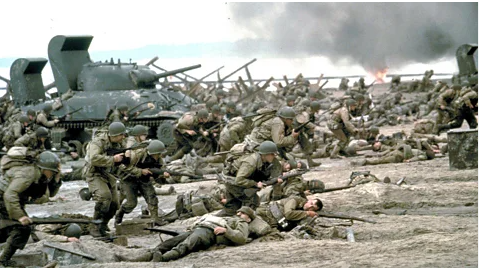
As international tensions continue to escalate, concerns about the safety of the United States during a potential global war have become more pressing. With nations interconnected through trade, technology, and political alliances, the ripple effects of any conflict are felt far and wide. This global interdependence raises questions about how the United States would safeguard its citizens, infrastructure, and interests if a large-scale war were to erupt.
The United States’ geographic location provides certain advantages when considering national security. Bordered by two vast oceans, the country is naturally shielded from some of the direct threats faced by nations in more volatile regions. However, advancements in technology have diminished the protection these geographic barriers once offered. Modern warfare is no longer limited to physical battles; cyberattacks, missile capabilities, and economic warfare can impact a nation’s stability regardless of its location. This evolving nature of conflict demands a multifaceted approach to security.
Economic stability also plays a critical role in national preparedness during times of conflict. As one of the world’s largest economies, the United States relies on global trade and supply chains to maintain its economic power. Disruptions caused by conflict in other parts of the world could strain resources, impact production, and challenge the nation’s ability to respond effectively. Additionally, securing critical infrastructure such as energy grids, financial systems, and communication networks is vital to maintaining order and functionality during wartime.
Another critical factor is the preparedness of the population. Awareness and readiness among civilians can greatly influence how the country responds to and recovers from the challenges of war. While national defense strategies often focus on military readiness, ensuring that citizens are equipped with knowledge and tools to handle emergencies is equally important.
As global dynamics shift, understanding the broader implications of a potential conflict becomes essential. The challenges extend beyond military strategies, requiring a holistic approach that considers economic, technological, and societal factors. The question is not only about military strength but also about how the country, as a whole, can withstand the pressures of a rapidly changing global environment.
Historical Context of US Safety in Past Wars
Throughout its history, the United States has faced the challenges of global conflicts with a focus on adaptability and resourcefulness. During World War I, the country initially maintained a stance of neutrality but eventually mobilized its industrial power and military forces to support Allied efforts. This demonstrated the ability of the nation to shift from a peacetime economy to a wartime economy in a relatively short period, ensuring both domestic security and contribution to the larger conflict.
World War II marked an even greater transformation in how the United States approached national safety and global engagement. The attack on Pearl Harbor not only galvanized public support for the war but also underscored the importance of preparedness against direct threats. In response, the government initiated programs to build up the military, expand intelligence operations, and ensure homeland protection. Rationing, war bond campaigns, and civilian defense efforts became essential parts of the national strategy, fostering a sense of unity and shared purpose among the population.
Post-war periods, such as the Cold War era, brought new challenges and lessons. The advent of nuclear weapons led to a focus on deterrence strategies, such as mutually assured destruction, which aimed to prevent large-scale conflicts through the threat of overwhelming retaliation. This period also saw the establishment of systems like early warning radar networks and government continuity plans, reflecting the evolving nature of potential threats. Public drills, including “duck and cover” exercises, highlighted efforts to prepare civilians for unprecedented risks.
The Korean and Vietnam Wars, although distinct from the world wars, further shaped the country’s approach to safety and engagement in conflicts beyond its borders. These conflicts demonstrated the complexities of fighting in regions with differing political and cultural dynamics, reinforcing the need for adaptability in both military tactics and diplomatic strategies. Additionally, these wars emphasized the importance of maintaining domestic stability during prolonged engagements, as public opinion played a significant role in shaping policies.
Each of these experiences has provided valuable insights into how the United States addresses safety during global conflicts, influencing its modern strategies and preparedness for potential future challenges.
Current Military Readiness of the United States
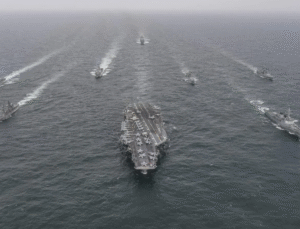
The United States maintains one of the most advanced and capable military forces in the world, supported by extensive investments in technology, training, and infrastructure. Its armed forces are organized across multiple branches, including the Army, Navy, Air Force, Marine Corps, and Space Force, each designed to address specific challenges and operate in a variety of environments. This diverse structure allows for flexibility and rapid response to threats on land, at sea, in the air, and even in space.
Technological advancements are a cornerstone of US military readiness. Cutting-edge equipment, such as advanced drones, hypersonic missiles, and artificial intelligence systems, ensures that the military can adapt to evolving methods of warfare. In addition to physical capabilities, the United States places significant emphasis on cybersecurity. Protecting critical systems from digital threats and maintaining secure communication channels are integral components of modern military strategy. This focus reflects the growing importance of defending against cyberattacks, which can target both military and civilian infrastructure.
The United States also prioritizes maintaining a highly trained and prepared force. Military personnel undergo rigorous training programs that emphasize physical endurance, technical expertise, and adaptability in combat situations. Specialized units are trained for a variety of missions, ranging from counterterrorism operations to large-scale conflicts. The reserves and National Guard further bolster the country’s capacity, providing additional manpower and resources when needed.
In terms of global presence, the United States operates numerous military bases and installations around the world, ensuring its ability to project power and respond to threats in key regions. These installations, combined with strong alliances, provide logistical support and reinforce the country’s strategic position. Frequent joint exercises with allied nations enhance interoperability and readiness, enabling coordinated responses to potential conflicts.
Additionally, the defense industry plays a critical role in readiness, with the private sector driving innovation and ensuring a steady supply of weapons, vehicles, and other essential resources. This collaboration between government and industry strengthens the country’s ability to meet the demands of modern warfare, ensuring the armed forces remain prepared for emerging challenges.
Geopolitical Factors Affecting US Security
The security of the United States is deeply tied to the shifting dynamics of global power and its relationships with other nations. Key alliances, such as those within NATO, provide significant strategic advantages by fostering cooperation and ensuring mutual defense agreements among member countries. These alliances also enhance intelligence sharing, enabling the United States to anticipate and address potential threats more effectively.
At the same time, the country faces challenges posed by rivals with differing geopolitical interests. For example, ongoing tensions with nations like China and Russia often manifest in contested areas such as economic influence, military positioning, and technological dominance. Disputes in regions like the South China Sea or Eastern Europe test the ability of the US to assert its influence while avoiding escalations that could lead to broader conflict. Additionally, nations such as North Korea continue to pose unique challenges due to their pursuit of nuclear weapons and unpredictable leadership, which complicates diplomatic efforts.
Geography also plays a role in shaping the United States’ geopolitical considerations. While its relative isolation offers some protective advantages, the interconnectedness of the modern world ensures that conflicts in far-off regions can have immediate and tangible effects. For example, disruptions in the Middle East could impact energy supplies, while instability in Asia could affect global trade routes and supply chains. The United States must therefore maintain a vigilant stance in critical regions to safeguard its interests and mitigate these risks.
Moreover, competition in the field of technology is becoming an increasingly critical factor. Emerging technologies like artificial intelligence and advanced cyber capabilities are being developed not only for economic growth but also for strategic military purposes. The United States is in a race to ensure that it remains at the forefront of these advancements to prevent rival nations from gaining an edge that could jeopardize national security.
Diplomatic strategies are essential in managing these complexities, as successful negotiations can often prevent conflicts before they arise. However, balancing diplomacy with the need for strong defensive postures remains a delicate challenge that continues to shape the country’s approach to global security.
Civilian Safety and Preparedness Measures
Protecting civilians during wartime involves a comprehensive approach that includes public education, infrastructure resilience, and coordinated emergency response systems. Public education initiatives focus on equipping citizens with the knowledge and skills needed to respond to potential threats. This includes promoting awareness of emergency protocols, such as evacuation routes and shelter locations, as well as providing resources for assembling emergency supply kits.
Emergency communication systems are essential for ensuring accurate and timely information reaches the public during crises. Investments in technology, such as alert systems that can broadcast warnings via mobile devices, television, and radio, help provide clear instructions in real time. These systems are designed to reduce confusion and streamline responses during emergencies, minimizing the risk to public safety.
The physical resilience of infrastructure is another critical factor in safeguarding civilian populations. Modernizing essential systems, such as energy grids, water supplies, and transportation networks, helps protect these resources from both physical attacks and cyber threats. Infrastructure improvements not only reduce vulnerabilities but also facilitate faster recovery following disruptions.
Community-based programs also play an important role in preparedness. Local governments and organizations often work together to conduct drills, simulations, and training sessions that teach residents how to react in emergency situations. Programs like CERT (Community Emergency Response Team) train volunteers to assist first responders and provide basic aid, ensuring communities are better prepared to handle crises.
Healthcare preparedness is equally vital. Strengthening hospital systems, stockpiling medical supplies, and creating plans for mass casualty events help ensure that medical services remain operational during conflicts. Efforts to train healthcare professionals in disaster response further enhance the nation’s ability to manage widespread emergencies.
Collaboration between federal, state, and local agencies is key to a cohesive response strategy. These entities coordinate their efforts to streamline resource distribution, manage shelters, and maintain public order during times of heightened risk. This multi-level approach ensures that civilians are supported and protected as effectively as possible.
Conclusion and Future Outlook
The United States faces a complex array of challenges when it comes to ensuring safety during a potential global war. Advances in technology, the interconnectedness of global economies, and shifting power dynamics all require a forward-looking approach to national security. The focus must be on adapting strategies to address both traditional and emerging threats while balancing military preparedness, economic stability, and civilian protection.
Modern warfare is no longer confined to battlefields; cyberattacks, economic disruptions, and other non-traditional tactics are growing concerns. This necessitates a proactive effort to bolster cybersecurity defenses, secure critical infrastructure, and foster innovation in both the public and private sectors. By prioritizing technological advancements and resilience, the United States can better navigate the changing landscape of global conflict.
Diplomatic efforts will also remain crucial in mitigating risks and preventing escalation. Working alongside allies to maintain strong international partnerships not only enhances collective security but also strengthens the country’s ability to manage complex geopolitical issues. While diplomacy must coexist with military readiness, the focus should be on conflict prevention whenever possible, as peace remains the most effective form of protection.
Domestically, a strong emphasis on civilian preparedness is vital. Public education campaigns, infrastructure upgrades, and investments in emergency response systems can help communities withstand potential crises. Collaborative efforts between federal, state, and local authorities, as well as private organizations, are key to ensuring that resources and expertise are deployed effectively.
Looking ahead, the United States must remain agile in its approach to national security. Flexibility, innovation, and a commitment to long-term planning are essential to staying ahead of evolving threats. By addressing vulnerabilities, leveraging partnerships, and fostering unity among its people, the country can strengthen its foundation against the uncertainties of future global conflicts. Preparing for the unknown will require vigilance and adaptability, but with a comprehensive strategy in place, the United States is positioned to confront these challenges.
