Introduction to Rising Insurance Costs
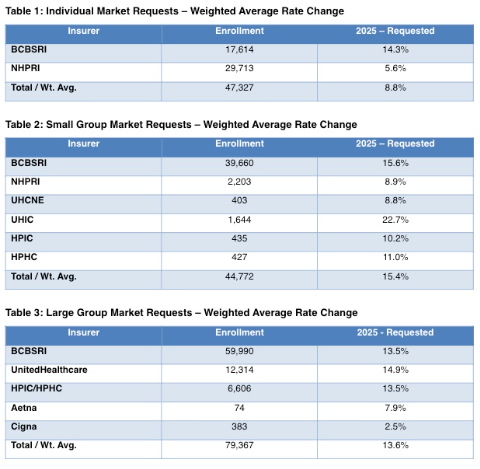
In 2025, health insurance costs in the United States continue to draw significant attention as individuals and families grapple with rising premiums. The cost of health insurance is influenced by a variety of interconnected factors, creating a landscape that feels increasingly complex for many. From economic pressures to industry-specific challenges, these elements collectively drive the trends seen in insurance pricing.
One critical element influencing these rates is the overall structure of the healthcare system itself. Unlike many other countries, the U.S. operates with a unique mix of private and public providers, creating a system where costs often reflect a combination of advanced medical care, administrative expenses, and varying levels of competition.
Moreover, the role of external economic forces cannot be understated. Broader market trends, shifts in consumer behavior, and even global events can ripple through the healthcare sector, ultimately shaping what individuals pay for their coverage. Additionally, changing demographic trends, such as an aging population with more complex medical needs, further amplify the demand for services and insurance.
As more individuals seek expansive coverage options that address a wide range of health concerns, insurers must adapt their offerings, often resulting in higher premiums. These adjustments are not merely reflective of increased demand but also of the growing costs associated with providing comprehensive plans. The integration of cutting-edge medical technologies, while improving patient outcomes, is another factor that adds to the rising financial burden.
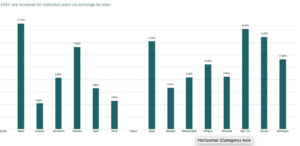
Understanding the factors that contribute to these changes requires a closer look at the interplay between economic conditions, healthcare delivery, and regulatory environments. The topic becomes even more critical as Americans navigate the evolving challenges associated with accessing affordable, high-quality care in a system marked by significant disparities. Each of these components influences the broader trajectory of health insurance rates in the country.
Economic Factors Driving Costs
Economic conditions play a pivotal role in shaping the cost of health insurance in 2025. Inflation, which affects nearly every sector, has contributed to the rising costs of medical goods and services. As prices for essential healthcare items increase, these expenses are often passed along to consumers in the form of higher premiums. Beyond inflation, wages in the healthcare sector have also risen, particularly for skilled professionals like doctors, nurses, and technicians. While these increases aim to address staffing shortages and attract qualified workers, they inevitably add to the overall expense of running healthcare facilities.
Another contributing factor is the broader economic environment following the recovery from the COVID-19 pandemic. The healthcare system experienced unprecedented strain during the pandemic, leading to delayed treatments and deferred care. As people return to hospitals and clinics to address previously postponed health concerns, the surge in demand has placed additional financial stress on the system. This higher demand results in increased costs for providers, which ultimately impacts insurance premiums.
Moreover, supply chain disruptions have further exacerbated financial challenges in the healthcare sector. The increased costs of medical equipment, pharmaceuticals, and other essential supplies ripple throughout the system, raising the baseline cost of care. As these expenses grow, insurance companies adjust premiums to offset their increased payouts. Global events, such as geopolitical tensions, have also affected the pricing and availability of critical medical resources, compounding the problem.
Economic inequality remains another key factor influencing costs. As more Americans face financial difficulties, a growing number rely on government programs or subsidies to access healthcare. While these programs provide essential support, they also place pressure on public resources, contributing to higher costs for others in the system. These economic dynamics collectively highlight how interconnected factors shape the landscape of rising health insurance rates in the United States.
Healthcare System Challenges
The structure and functioning of the American healthcare system contribute significantly to the rising health insurance rates. One notable factor is the fragmented nature of healthcare delivery in the United States. The coexistence of multiple providers, varying networks, and administrative complexities leads to inefficiencies that drive up operational costs. These inefficiencies, in turn, are reflected in higher expenses for both insurers and consumers.
Administrative costs in the U.S. healthcare system are particularly high compared to other nations. Tasks such as billing, claims processing, and compliance with regulatory requirements add significant overhead for providers and insurers alike. These additional expenses become embedded in the system and are ultimately passed on to policyholders through increased premiums.
The financial strain on healthcare facilities also plays a role in rising insurance rates. Hospitals and clinics must often invest heavily in infrastructure, staff, and equipment to remain competitive and meet patient expectations. These investments, while necessary, increase the overall cost of care and influence the pricing structures adopted by insurers.
Another significant challenge arises from the complexity of pricing within the system. The lack of standardization for medical procedures and treatments often results in wide price discrepancies for the same services, depending on the provider or region. This lack of transparency complicates cost management for insurers and further drives up expenses.
Furthermore, the prevalence of chronic conditions, such as diabetes and heart disease, has added to the financial burden on the healthcare system. Chronic illnesses often require long-term care and ongoing treatments, increasing overall spending and straining insurance risk pools. The rising prevalence of these conditions is not only a public health issue but also a financial one that impacts premiums for insured individuals.
These systemic issues, compounded by other external pressures, create a challenging environment that contributes to escalating health insurance costs.
Insurance Company Policies
Insurance companies significantly influence the cost of health insurance through their business practices and pricing strategies. These companies operate within a profit-driven framework, and their financial models often prioritize risk management and profitability. One key element shaping premiums is the actuarial process used to assess risks associated with covering individuals and groups. Insurers analyze extensive data on health trends, demographics, and claim histories to set prices that align with anticipated payouts. This process often results in higher premiums for consumers who are deemed higher risk, such as those with preexisting conditions or chronic illnesses.
Another factor impacting costs is the use of provider networks. Insurers negotiate contracts with hospitals, doctors, and specialists to create these networks, which often determine the rates paid for services. While narrower networks can help control costs, they also limit consumer choices and may lead to higher out-of-pocket expenses for out-of-network care. The reliance on these contracts adds complexity to pricing models and impacts the rates charged to policyholders.
Additionally, insurers must account for rising medical costs when determining premium rates. With healthcare expenses increasing across the board, companies adjust their pricing to reflect the higher payouts required for claims. This includes the integration of advanced treatments and technologies, which often come with significant costs. Insurance companies also face pressures from administrative expenses, including marketing, customer service, and compliance with regulations, all of which factor into premium calculations.
Reinsurance, which allows companies to manage their financial exposure by transferring risk to another insurer, also plays a role in pricing. When reinsurance rates increase due to global or regional factors, these higher costs are typically passed down to policyholders. Furthermore, limited competition in certain regions can give insurers greater pricing power, reducing the incentive to offer competitive rates and contributing to the overall rise in health insurance costs.
Government Regulations and Policies
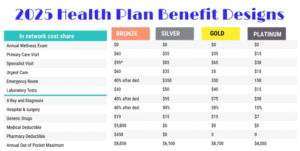
Government regulations and policies shape the operational framework within which health insurers operate, influencing costs in various ways. Regulatory requirements often dictate the minimum standards of coverage, including essential health benefits that must be included in all plans. These mandates, while ensuring comprehensive access to care, can also increase costs for insurers, which are then reflected in higher premiums.
The Affordable Care Act (ACA) remains a key legislative framework influencing the industry. Provisions under the ACA, such as prohibiting the denial of coverage based on preexisting conditions, have improved accessibility but have also contributed to rising costs for some plans. Additionally, policies surrounding Medicaid expansion in certain states have shifted financial burdens, creating regional differences in premium rates.
Shifts in regulations surrounding pharmaceutical pricing and approval processes have also contributed to changes in insurance costs. With ongoing debates around drug price reforms, insurers face challenges in managing payouts for high-cost medications. This issue becomes more pronounced as new, more expensive treatments are introduced to the market.
Another regulatory factor is the enforcement of risk adjustment programs, which aim to stabilize markets by redistributing funds among insurers based on the health profiles of their enrollees. While these programs are designed to balance the financial risk among insurers, they can still lead to higher premiums for consumers in certain risk categories.
Tax policies affecting employer-sponsored insurance and the broader individual market also play a role. For instance, changes to tax incentives for employers offering health benefits or adjustments to penalties for individuals without coverage can influence enrollment trends, indirectly impacting overall costs in the system.
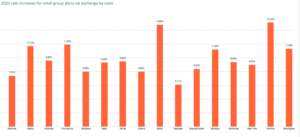
Finally, state-level regulations, such as rate-setting or network adequacy requirements, vary widely across the U.S., contributing to differences in pricing structures and insurance options available to consumers.
Consumer Behavior and Expectations
The choices and expectations of consumers have a direct impact on health insurance costs. Many people are opting for plans with broader benefits, which frequently include services like mental health coverage, wellness programs, and access to cutting-edge treatments. While these features provide valuable resources for policyholders, they also contribute to higher premiums, as insurers must account for the expanded range of covered services.
Additionally, the increasing focus on convenience and flexibility in healthcare access has driven demand for telehealth options and alternative care models. Though these innovations have the potential to reduce certain costs, their implementation often requires significant investments by insurers and healthcare providers, influencing premium pricing.
Consumer habits regarding healthcare utilization also play a role. Some individuals use insurance more frequently for routine visits, screenings, and elective procedures, which adds to overall costs. On the other hand, those who delay or forgo care until a condition becomes severe often incur higher medical expenses, creating additional financial pressure within insurance risk pools.
Cultural shifts in health awareness and preventive care are also reshaping consumer expectations. Many Americans now seek coverage that includes support for chronic condition management, fitness incentives, or personalized treatment options. While these preferences promote long-term health benefits, they often come with higher initial costs for insurers, which then translate to increased premiums.
Finally, consumer reliance on digital tools to compare plans and review options has made transparency and customization key factors in the insurance market. This demand for tailored coverage encourages insurers to develop more specialized offerings, but the complexity of meeting diverse needs often results in added operational expenses. These shifting behaviors and priorities significantly influence the trajectory of health insurance rates.
Conclusion and Future Outlook
The trajectory of health insurance rates in the United States highlights the interplay of multiple forces shaping the industry. While economic pressures and technological advancements push costs upward, opportunities exist to address these challenges. Strategies to streamline administrative processes, increase price transparency, and reduce inefficiencies in healthcare delivery could alleviate some financial burdens for insurers and consumers alike. Promoting preventive care and early intervention may also help decrease the prevalence of costly chronic conditions, ultimately stabilizing insurance markets over time.
Collaboration between the public and private sectors will be essential in tackling the structural and financial issues within the healthcare system. Policymakers could explore reforms aimed at controlling pharmaceutical prices, incentivizing competition among insurers, and expanding access to affordable care. At the same time, insurers might focus on offering value-based plans that prioritize outcomes while balancing costs.
Consumer behavior will continue to shape the evolution of insurance offerings. As individuals demand more flexibility and customized coverage, insurers face the challenge of meeting these needs while maintaining sustainable pricing. Encouraging informed decision-making and fostering awareness of cost-effective care options could help consumers make better use of available resources.
Moving forward, the key to mitigating rising insurance rates lies in balancing innovation with affordability. Stakeholders across the healthcare landscape must work together to create a system that not only meets the diverse needs of the population but also ensures long-term financial sustainability. This effort will require thoughtful approaches, adaptability, and a focus on equitable access to quality care.
