Introduction to Forex Trading
Forex trading, short for foreign exchange trading, involves buying and selling currency pairs with the goal of profiting from changes in exchange rates. As the largest financial market in the world, forex operates 24 hours a day, offering ample opportunities for traders. In recent years, its popularity has grown in the United States, attracting both seasoned investors and newcomers seeking potential gains.
What makes forex trading appealing to many is its accessibility. Unlike other financial markets that require substantial capital to get started, forex allows individuals to begin trading with relatively low investments. Additionally, the market’s liquidity ensures that trades can be executed quickly, creating a dynamic environment for participants.
Despite its allure, forex trading is far from easy. Many new traders underestimate the challenges, such as the volatile nature of currency prices, the need for a strong analytical approach, and the ability to adapt to ever-changing global economic conditions. Navigating these challenges requires a strategic mindset and a deep understanding of market trends, but not all participants are adequately prepared.
Forex trading also requires a high level of commitment. Successful traders often dedicate significant time to researching and analyzing market data, monitoring economic events, and developing strategies tailored to their goals. However, those entering the market with unrealistic expectations or insufficient preparation often find themselves struggling to manage the complexities of forex trading.
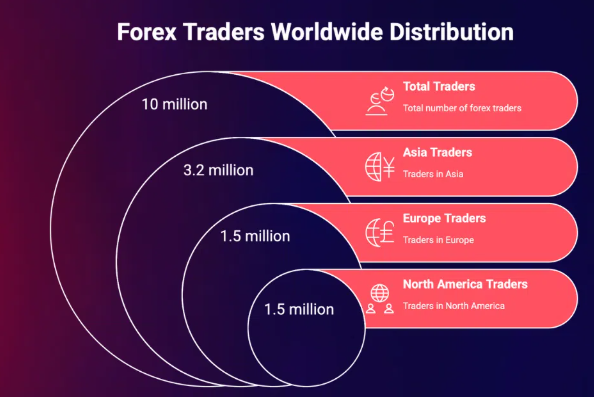
In 2026, as the market continues to evolve, the growing number of participants highlights the importance of understanding the intricacies of forex trading. While the opportunities for profit are undeniable, so too are the challenges, making it essential for traders to approach the market with caution and diligence.
Lack of Proper Education
Many individuals entering the forex market underestimate the level of knowledge and preparation required to navigate it successfully. A significant portion of traders begins trading without a clear understanding of critical concepts such as market trends, technical analysis, or economic indicators. This lack of foundational knowledge often leads to poor decision-making and avoidable mistakes.
Additionally, while there are abundant educational resources available—from online courses to trading simulations—many traders fail to invest the time needed to thoroughly study these materials. Instead, they may rely on oversimplified advice or follow unverified strategies found on social media, which can leave them vulnerable to costly errors.
A misunderstanding of key forex principles, such as how currency pairs respond to geopolitical events or interest rate changes, further exacerbates the problem. Without a grasp of these factors, traders are less likely to make informed predictions about price movements or adjust their strategies effectively in a fast-moving market.
The absence of structured learning also prevents traders from developing essential skills like creating a trading plan, analyzing charts, and setting realistic financial goals. This can cause them to approach trading with a trial-and-error mentality, often resulting in significant losses before they even identify their mistakes.
Forex trading is not just about executing trades but also about developing a strategic and informed approach. For traders without proper education, the complexities of the market become overwhelming, leaving them unprepared for the challenges they face.
High Leverage Risks
Leverage allows traders to control larger positions with less capital, making it an appealing feature in forex trading. However, the misuse of leverage is one of the most common pitfalls for traders, especially those who lack experience. High leverage magnifies both potential profits and losses, creating a highly risky environment for those unprepared to manage it properly.
Many traders enter the market attracted by the possibility of substantial returns, only to discover that leverage can work against them just as quickly. Small market fluctuations can lead to outsized losses when leverage is used excessively, often depleting trading accounts in a matter of minutes. Without a solid understanding of position sizing and how leverage impacts risk exposure, traders can find themselves in financial trouble faster than anticipated.
Another issue arises when traders fail to recognize the importance of margin requirements. Over-leveraging a trading account increases the likelihood of margin calls, where the broker requires additional funds to cover potential losses. These calls can force traders to exit positions prematurely, locking in losses and leaving them with little or no remaining capital to recover.
Traders often underestimate the level of discipline required when using leverage. Overconfidence in their strategies can lead to reckless decision-making, such as increasing leverage after a winning trade or refusing to scale back after a loss. This lack of restraint can cause a negative spiral of poor decisions, compounding the financial damage over time.
The appeal of leverage lies in its ability to amplify results, but without careful risk management and a clear understanding of its effects, it often leads to outcomes that are far worse than anticipated.
Emotional Trading Mistakes
The fast-paced nature of forex trading can often provoke strong emotional reactions. When faced with sudden market movements, traders may experience panic or overconfidence, leading to impulsive decisions. Fear often emerges when a position moves against expectations, causing traders to exit prematurely and lock in avoidable losses. On the other hand, greed may drive traders to hold onto winning positions for too long, hoping for additional gains, only to watch profits vanish as the market reverses.
Another common emotional trap is revenge trading, where traders, frustrated by a prior loss, attempt to recover their capital quickly by making hasty and poorly planned trades. This approach typically leads to greater losses and erodes trading discipline. Additionally, overconfidence after a series of successful trades can cloud judgment, encouraging excessive risk-taking or neglect of proper analysis.
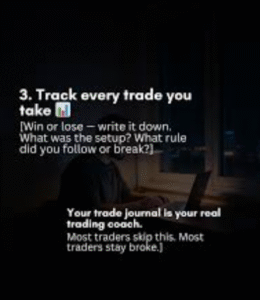
Emotions can also impact the ability to stick to a predetermined trading plan. Traders may hesitate to execute a strategy out of doubt or deviate from their plan under the pressure of market uncertainty. Such behavior increases the likelihood of inconsistent results and hampers long-term progress.
Emotional fatigue, brought on by prolonged trading sessions or consecutive losses, can exacerbate poor decision-making. This mental strain often diminishes the ability to think logically and evaluate opportunities objectively, leaving traders vulnerable to mistakes they might otherwise avoid.
Developing emotional discipline is key to avoiding these pitfalls. Recognizing emotional triggers and using strategies such as taking breaks, reducing position sizes, or following predefined risk parameters can help traders maintain a more level-headed approach in volatile situations. Ultimately, managing emotions is as important as technical skills when navigating the complexities of forex trading.
Overtrading Problems
Overtrading often stems from a trader’s inability to exercise restraint, especially in a market as dynamic as forex. The urge to constantly engage with the market can be driven by emotional factors, such as frustration from a loss or excitement after a winning streak. Instead of focusing on quality trades, overtrading shifts the emphasis to quantity, which increases the likelihood of poorly timed or impulsive decisions.
One major issue linked to overtrading is the erosion of discipline. When traders feel the need to place multiple trades without proper analysis, they risk ignoring their trading plan or abandoning their strategies altogether. This lack of structure can lead to a cascade of losses that could have been avoided with a more thoughtful approach.
Additionally, overtrading can drain both mental and physical energy. The constant pressure to monitor the market and make quick decisions can result in burnout, impairing a trader’s ability to remain objective. This state of exhaustion further contributes to poor judgment and increases the risk of compounding losses.
Another factor that exacerbates overtrading is the failure to recognize the importance of timing. Forex markets operate continuously, but not all trading opportunities are equal. Entering trades during less favorable conditions or without a clear strategy can diminish the potential for profit while increasing exposure to unnecessary risks.
Ultimately, the temptation to trade excessively can be costly, especially for those who prioritize short-term activity over long-term results.
Inadequate Risk Management
Many traders underestimate the importance of protecting their capital when engaging in forex trading, which often leads to poor outcomes. One of the most common mistakes is failing to establish clear risk parameters before entering a trade. Without predefined limits, traders may allow losses to accumulate, eroding their account balance faster than anticipated.
Another key issue is the improper use of position sizing. Many traders risk too large a portion of their account on a single trade, which increases the likelihood of significant losses when the market moves against them. By risking a smaller, controlled percentage of their capital on each trade, traders can better preserve their account for future opportunities.
Overlooking the importance of stop-loss orders is another critical error. These orders are designed to limit potential losses by automatically closing a position once a certain price level is reached. Traders who fail to utilize stop-loss orders are exposed to the risk of market volatility, which can lead to severe financial setbacks.
Some traders also struggle with balancing their risk-to-reward ratios effectively. By aiming for a higher potential reward compared to the risk taken, traders can create strategies that improve their overall profitability over time. However, neglecting this principle often results in an imbalance that works against long-term success.
Lastly, emotional decision-making can interfere with risk management. Fear or greed may lead traders to adjust their plans mid-trade, abandoning their strategies and compounding losses. Sticking to a well-defined risk management approach can help minimize the impact of these emotional impulses.
Unrealistic Expectations
Unrealistic expectations often lead traders to approach forex trading with misguided optimism. Many are drawn to the market by promises of quick and substantial profits, often promoted through flashy advertisements or exaggerated success stories on social media. This creates a skewed perception of what trading truly entails, leading beginners to believe that success is easy to achieve without proper effort or strategy.
The reality of forex trading involves challenges that are frequently downplayed in these portrayals. Factors such as market volatility, complex economic influences, and the need for consistent analysis are often overlooked. New traders who fail to account for these challenges may take on unnecessary risks or abandon their plans prematurely when faced with setbacks.
Another issue stems from underestimating the time and dedication required to become proficient. Many new participants expect to master trading within weeks, only to encounter difficulties that discourage them from continuing. This unrealistic timeline can prevent traders from fully committing to the necessary learning process, leaving them ill-equipped to handle the complexities of the market.
Additionally, the focus on high returns can overshadow the importance of capital preservation and steady growth. Traders may prioritize short-term gains over sustainable practices, risking more than their account can reasonably handle. This mindset not only increases the likelihood of financial losses but also fosters frustration and poor decision-making when expectations are not met.
Forex trading requires discipline, realistic goal-setting, and an understanding of the effort involved. Without these, traders may find themselves chasing unattainable outcomes, resulting in unnecessary losses and disillusionment.
Conclusion and Future Outlook
The forex market offers significant opportunities, but success requires more than enthusiasm and ambition. Traders must be prepared to face a dynamic environment shaped by economic, political, and financial factors. Developing a deep understanding of market mechanics and being realistic about the time and effort involved are key steps toward achieving long-term profitability.
Looking ahead to 2026, the forex landscape in the United States will likely continue evolving as technology advances and more individuals enter the market. Automation and sophisticated tools may make trading more accessible, but they also emphasize the need for strong analytical skills and strategic thinking. Without these, traders may find it difficult to adapt to changing conditions and capitalize on opportunities effectively.
Success in forex trading ultimately comes down to building a solid foundation. This means consistently refining strategies, learning from mistakes, and maintaining a disciplined approach to every trade. Emphasizing risk management and avoiding impulsive decisions are critical for preserving capital and ensuring steady progress.
As the market evolves, traders who remain committed to continuous learning and adaptability will be better positioned to navigate challenges. By fostering a balance between ambition and preparedness, individuals can shift their focus toward achieving sustainable outcomes in the forex market, even as it becomes more competitive in the years to come.