Introduction to Forex Changes in 2026
The US forex market in 2026 reflects the evolving global economy and the influence of groundbreaking technological innovations. The trading landscape has undergone notable transformations, driven by advancements in AI, machine learning, and the emergence of more sophisticated trading platforms. Traders now have access to tools capable of processing complex data sets, enabling quicker and more precise decision-making.
This year also brings a shift in the approach to market operations, as regulatory authorities enforce updated policies designed to prioritize transparency and safeguard participants. These changes aim to address past vulnerabilities in the market while fostering an environment of trust and accountability. Such developments are shaping the choices traders make, from the platforms they use to the strategies they employ in navigating currency fluctuations.
Additionally, economic factors, including inflation and monetary policy adjustments, have become significant in determining forex market activity. Global political and trade developments further amplify market shifts, demanding traders pay closer attention to external influences. These interconnected forces continue to redefine the role of the US forex market within the broader global financial system.

Regulatory Shifts in the US Forex Market
In 2026, updated regulations in the US forex market have introduced significant changes to how trading operates, impacting both individual traders and brokerage firms. Regulatory bodies like the Commodity Futures Trading Commission (CFTC) and the National Futures Association (NFA) have tightened rules to address transparency issues and improve protections for participants. This has led to stricter oversight of brokers, including more detailed reporting requirements and enhanced financial obligations.
For brokerage firms, these regulatory updates necessitate the implementation of stronger compliance systems. Many firms have begun integrating advanced technologies to meet these requirements, investing in software that automates compliance monitoring and reporting processes. While this modernization can streamline operations, it also increases operational costs, putting pressure on smaller firms that may struggle to adapt to the heightened standards. Larger, well-funded brokers are better positioned to absorb these changes, potentially gaining a competitive advantage.
Traders, on the other hand, benefit from a safer trading environment as these regulations aim to mitigate risks such as fraud and malpractice. Measures like mandatory disclosures from brokers and improved client fund protection protocols offer traders more confidence in the platforms they choose. However, traders may also notice changes in how certain services are delivered, as brokers adjust to regulatory mandates. For instance, some firms may alter their fee structures or restrict access to high-leverage products in compliance with new rules.
These changes are not happening in isolation. International cooperation among regulatory agencies is also influencing the US forex market, as global financial watchdogs aim to create more unified standards. Cross-border alignment helps reduce discrepancies that traders might face when operating in multiple jurisdictions, simplifying the process for those engaging in international trades. As a result, the overall regulatory framework is becoming more interconnected, reflecting the increasingly global nature of forex trading.
Technological Advancements in Forex Trading
The rapid development of technology in recent years has significantly influenced how forex trading is conducted. Traders now have access to platforms that incorporate cutting-edge features, including real-time analytics, customizable dashboards, and tools designed to enhance decision-making efficiency. These platforms are increasingly optimized for mobile use, enabling traders to monitor and execute trades from virtually anywhere.
A major factor driving these advancements is the integration of artificial intelligence (AI) into trading systems. AI-powered algorithms can sift through vast datasets with incredible speed, identifying patterns and generating actionable insights that were once difficult to uncover manually. This has allowed traders to make more accurate predictions about currency movements, reducing reliance on traditional methods of market analysis.
Machine learning, a subset of AI, has also found its place in forex trading. By learning from historical data, machine learning models can improve the accuracy of trading strategies over time. They adapt as market conditions change, helping traders stay ahead in an environment that is increasingly driven by real-time information. These tools are particularly beneficial for those engaging in high-frequency trading, where even fractions of a second can determine the outcome of a transaction.
Another innovation shaping forex trading is the use of blockchain technology. While often associated with cryptocurrencies, blockchain has found applications in forex by improving the security and transparency of transactions. Distributed ledger systems provide a tamper-proof method for recording trades, reducing the risk of fraud and enhancing trust among participants.
Additionally, the rise of application programming interfaces (APIs) is empowering traders to build and customize their own tools. APIs allow for seamless integration between various platforms, enabling traders to automate processes, implement personalized strategies, and analyze market data more effectively. This customization is becoming essential as traders seek more control over their operations in an increasingly competitive environment.
The incorporation of advanced tools is not limited to individual traders; brokerage firms are also adopting technologies that improve their service offerings. For instance, brokers are now leveraging AI to provide personalized recommendations and enhance client interactions. Automated chat systems, powered by natural language processing, are becoming a common feature, offering real-time support to users navigating complex platforms.
Overall, technology has not only expanded the capabilities of individual traders but also elevated the services provided by brokers, setting new standards for efficiency and innovation within the forex market.
Market Trends Influencing Forex in 2026
Economic indicators are playing a pivotal role in shaping the forex market in 2026, as factors such as inflation rates, employment statistics, and central bank policies significantly influence currency performance. The Federal Reserve’s decisions on interest rates continue to have a pronounced impact on the US dollar, while similar actions by the European Central Bank and the Bank of Japan are driving shifts in the euro and yen. These policy changes, coupled with fluctuating global inflation levels, are creating a dynamic environment for currency trading.
Geopolitical developments are another major force impacting forex trends. Trade agreements, sanctions, and ongoing negotiations between major economies are altering the global flow of goods and services, which in turn affects currency demand. Political instability in key regions is also contributing to market volatility, pushing traders to keep a close eye on international news to anticipate potential shifts. In particular, relations between the United States and its trading partners are influencing the performance of major and emerging currencies alike.
Technological advancements are further reshaping market behavior by enabling faster data dissemination and deeper market insights. Algorithmic trading and data-driven approaches are growing in popularity, allowing traders to react to market changes in real-time. The use of AI-driven systems for pattern recognition is enhancing the precision of trading strategies, while increased automation is enabling traders to optimize their positions during periods of heightened activity.
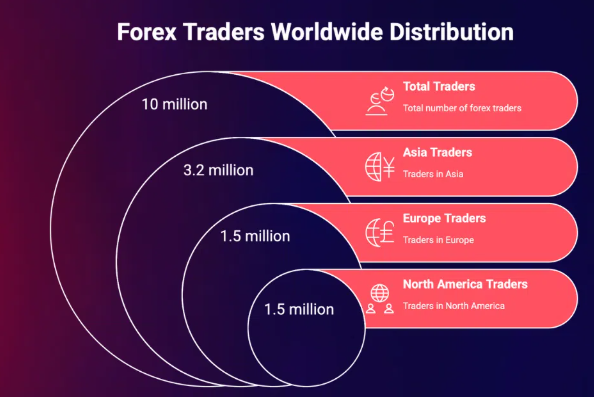
Shifts in consumer behavior are also becoming more evident, with retail traders now playing a larger role in forex market activity. The accessibility of sophisticated tools, coupled with a surge in educational resources, has empowered a broader audience to participate in forex trading. This growing involvement of individual traders is increasing liquidity across markets and influencing currency pair trends, as more participants contribute to daily trade volumes.
Additionally, external disruptions, such as climate-related events and supply chain challenges, are increasingly being factored into currency forecasts. These issues are pushing traders to incorporate non-traditional data into their analyses, accounting for risks that were previously considered outside the scope of forex. Environmental policies and green energy transitions are beginning to shape economic priorities across nations, adding another layer of complexity to currency valuation.
In 2026, forex traders are navigating a market environment that demands a more comprehensive understanding of global influences. The interplay between economic data, political developments, and emerging trends is creating new opportunities and challenges for participants in the US forex market.
Challenges and Opportunities for US Traders
In 2026, US forex traders are navigating a landscape shaped by rapid developments in technology, shifting regulations, and global economic changes. One notable challenge is the increased complexity of analyzing market conditions due to a broader range of influencing factors. Traders are required to process vast amounts of data, including non-traditional indicators such as environmental and geopolitical events, which demand a more comprehensive approach to market analysis.
The introduction of stricter regulatory standards has also added to the challenges faced by traders. While these measures enhance market transparency and security, they may require adjustments in trading practices. For example, brokers’ adaptations to compliance rules could result in changes to the availability of certain services or trading options, particularly for those who rely on high-leverage opportunities. Adapting to these shifts necessitates staying informed and flexible in strategy development.
On the other hand, these changes also open doors for traders willing to adapt. Advanced technologies, particularly AI and machine learning, are increasingly accessible, providing tools that can help identify trends and opportunities with greater accuracy. Traders utilizing these innovations can gain a competitive edge by developing more precise and efficient strategies. Moreover, the integration of blockchain technology is enhancing transactional trust, offering traders a safer environment to operate within.
Retail traders are playing a larger role in forex markets, contributing to increased liquidity and diversity in trading dynamics. This growing participation, along with the availability of educational resources and user-friendly platforms, is empowering individuals to take part in the market at levels previously dominated by institutional players. This democratization of trading brings new opportunities to those willing to embrace the learning curve and leverage the tools at their disposal.
External disruptions, such as supply chain challenges and climate-related events, continue to add unpredictability to the market. However, traders incorporating these factors into their strategies can uncover opportunities to capitalize on emerging trends. By focusing on non-traditional data points and adopting a broader perspective, US traders are better equipped to navigate the complexities of modern forex trading.
The interplay between emerging technologies, regulatory developments, and a shifting economic landscape offers both hurdles and pathways for traders seeking to refine their approach in this evolving market.
Future Outlook for Forex Trading
The future of forex trading is expected to be shaped by a combination of technological progress, regulatory adjustments, and evolving global economic trends. As trading platforms become more advanced, incorporating features like real-time analytics and enhanced customization, traders will likely experience greater flexibility and precision in their operations. This progress is not limited to professional institutions; retail traders are expected to benefit from increasingly user-friendly tools, bridging the gap between individual participants and larger market players.
A key driver of future developments will be the ongoing application of artificial intelligence and machine learning in forex trading. These technologies are anticipated to refine predictive analytics, allowing traders to develop strategies that adapt to shifting market conditions more effectively. The ability to process and analyze unprecedented volumes of data will not only improve forecasting accuracy but also help traders identify patterns that may have gone unnoticed in the past.
Blockchain technology is also poised to further enhance the transparency and security of forex transactions. By reducing risks associated with fraud and streamlining record-keeping processes, blockchain-based systems could offer traders a more reliable environment for conducting transactions. In addition, the growing interest in decentralized finance (DeFi) may lead to innovative applications of blockchain within the forex space, creating opportunities for new trading models and platforms.
Market behavior is likely to see further changes as geopolitical and environmental factors become increasingly relevant to currency valuation. Forex traders who incorporate broader global trends into their strategies will be better equipped to navigate the complexities of international trade and monetary policy. The interplay between global economic shifts and forex activity suggests that adaptability will remain a critical skill for traders moving forward.
Education and accessibility are expected to continue growing, as more people enter the forex market equipped with the knowledge and tools needed to trade confidently. This expansion of participation will further diversify market dynamics and increase trading volume, providing new opportunities for seasoned traders and newcomers alike.
Overall, the forex market of the future will demand that participants remain agile, informed, and willing to embrace technological advancements. The evolving landscape offers opportunities for those prepared to adapt and refine their strategies in line with emerging trends. As the market continues to transform, proactive engagement and a commitment to learning will be essential for success.