Current Economic Landscape
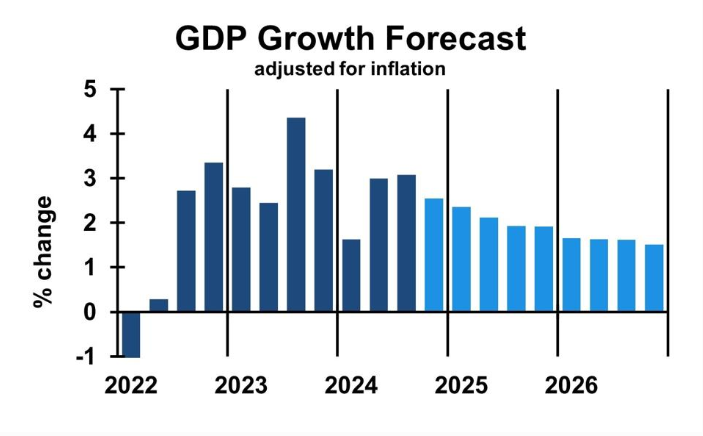
The US economy continues to showcase resilience, adapting to evolving global and domestic circumstances. Over recent years, businesses have implemented innovative strategies to stay competitive, while consumers have adjusted their spending habits in response to shifting economic conditions. Technological advancements have played a critical role in driving growth across various industries, contributing to the broader recovery.
Despite these advancements, certain challenges persist. Inflation, for instance, has been a pressing concern for policymakers and everyday consumers alike. Efforts to address rising prices have included adjustments to monetary policy, with the Federal Reserve taking steps to balance economic growth and price stability. These policy changes have wide-ranging implications, influencing everything from borrowing costs to corporate investment decisions.
Global trade dynamics also continue to impact the US economy. Fluctuations in supply chains, as well as changes in international trade agreements, have underscored the interconnected nature of the global marketplace. Businesses across the country are actively navigating these shifts, seeking ways to enhance efficiency and minimize disruptions.

Furthermore, consumer sentiment plays a significant role in shaping the economic outlook. With a stronger job market and increased household savings in recent years, there has been an uptick in consumer confidence. However, factors such as wage growth and access to credit will remain critical in determining how spending patterns evolve moving forward.
Economic sectors are experiencing varying degrees of growth, reflecting broader societal and technological trends. Industries like renewable energy and healthcare are gaining momentum, while others work to recover or reinvent themselves. As these transformations unfold, the economic landscape becomes increasingly dynamic, presenting both opportunities and challenges for investors.
The housing market has also been an area of focus, with rising interest rates affecting affordability and demand. While housing plays a key role in the economy, its performance often intersects with broader financial trends, underscoring the need for careful observation of market developments.
Market Trends and Predictions
The US stock market continues to reflect a combination of emerging opportunities and challenges. Among the most notable trends, advancements in technology and the rise of artificial intelligence have driven significant interest, particularly within the tech sector. Many companies are introducing innovative products and services, capturing investor attention and reshaping traditional business models. This momentum suggests the tech industry will remain a key area for growth in the coming years.
At the same time, industries such as renewable energy and healthcare are gaining traction. With an increasing focus on sustainability and the global transition toward cleaner energy sources, renewable energy firms are attracting both public and private investment. Similarly, the healthcare sector is advancing through innovations in biotechnology, telehealth services, and pharmaceutical research, meeting the growing demand for accessible and effective healthcare solutions. These sectors are expected to draw consistent interest from investors through 2025.
Consumer behavior is also influencing market performance, with spending trends shifting in response to technological integration and changing priorities. Companies adapting to these shifts by offering personalized services and embracing digital platforms are positioned for steady growth. Meanwhile, supply chain improvements and a renewed focus on efficiency are helping many businesses rebound from disruptions experienced in previous years.
Investment strategies are evolving alongside these trends. A growing number of investors are focusing on Environmental, Social, and Governance (ESG) criteria when selecting stocks, as sustainability and ethical practices become more important considerations. This has prompted some companies to align their operations with these values to attract a broader investor base.
Another area gaining attention is automation, particularly in manufacturing and logistics. Businesses leveraging automation to improve efficiency and reduce costs are seeing increased interest, reflecting the broader push toward innovation across multiple industries. Moreover, the expansion of digital infrastructure and the rollout of 5G networks continue to open new doors for growth in sectors tied to connectivity and data-driven services.
While short-term movements in the market are influenced by a variety of factors, these emerging trends suggest that specific industries may lead the charge in shaping the investment landscape in 2025. For those looking to capitalize on these developments, identifying companies at the forefront of these changes may present worthwhile opportunities.
Risks and Challenges
Market unpredictability can create difficulties for investors, particularly for those just starting out. Stock prices are influenced by a mix of economic indicators, corporate earnings, and external events, which can lead to sudden changes in value. These fluctuations may result in periods of significant loss, testing the patience and confidence of individuals navigating the market.
Economic factors such as inflation and rising interest rates present additional challenges. Inflation can erode the purchasing power of returns, while higher interest rates may impact corporate borrowing and profitability. These factors can ripple through the market, affecting stock valuations and overall performance.
Another consideration is the risk tied to individual sectors or companies. Industries experiencing rapid innovation, such as technology or renewable energy, can be particularly volatile. While these sectors often offer high-growth potential, they can also face abrupt setbacks due to shifts in consumer demand, regulatory changes, or competitive pressures. This unpredictability underscores the importance of conducting thorough research before investing.
Global events, such as geopolitical tensions or disruptions to supply chains, can further complicate the investment landscape. Businesses with international operations are especially vulnerable to changes in trade agreements, currency fluctuations, and other cross-border challenges, all of which can have an adverse effect on stock performance.
Investor sentiment also plays a role in market dynamics. Emotional decision-making, driven by fear or greed, can lead to impulsive actions such as panic selling during downturns or overinvesting in speculative assets during bull markets. These behaviors can magnify losses or limit potential gains, emphasizing the value of maintaining discipline and a long-term perspective.
Lastly, beginner investors might underestimate the importance of understanding their own risk tolerance. Without a clear grasp of how much risk they’re willing to take on, they could find themselves overexposed to volatile investments, increasing the likelihood of financial stress. Allocating time to understand personal financial goals and investment knowledge is vital in avoiding unnecessary pitfalls.
Investment Strategies for 2025
Navigating the stock market in 2025 calls for a thoughtful approach, especially for individuals who are new to investing. To build a strong foundation, beginner investors should focus on understanding the basics of asset allocation and how to distribute their investments across different sectors and industries. This approach helps minimize the risks associated with market volatility while allowing for potential growth.
Low-cost index funds and exchange-traded funds (ETFs) are excellent starting points for new investors. These investment vehicles provide exposure to a diversified mix of stocks, making them a practical choice for those seeking to reduce the impact of fluctuations in individual companies or industries. Additionally, they often come with lower fees, which can help maximize returns over time.
Investors should also pay attention to emerging market trends and consider how long-term shifts in technology, sustainability, and healthcare might influence their portfolios. While high-growth sectors may be appealing, it’s important to balance these investments with more stable options to avoid taking on excessive risk. Researching companies with strong fundamentals, such as consistent earnings and a clear growth strategy, can provide added confidence when selecting stocks.
Setting up automatic contributions to an investment account can simplify the process and encourage consistent investing habits. Dollar-cost averaging, which involves regularly investing a fixed amount regardless of market conditions, is a strategy that can help reduce the impact of market timing and smooth out returns over time.
It’s also worth considering tax-advantaged accounts, such as individual retirement accounts (IRAs) or 401(k)s, which offer benefits like tax-deferred growth or potential tax deductions. These options are particularly valuable for those aiming to achieve long-term financial goals.
Staying informed about market conditions and maintaining flexibility is equally important. Investors should regularly review their portfolios to ensure their investments remain aligned with their goals and risk tolerance. Tools like financial news platforms, apps, or even consulting with a financial advisor can provide valuable insights to guide decision-making.
Finally, avoiding emotional reactions to short-term market changes is critical. Market downturns and rallies are a natural part of investing, and staying focused on data-driven decisions can help investors remain on track, regardless of immediate market shifts.
Regulatory and Political Factors
Government policies and political decisions can greatly influence the stock market’s performance, often altering investor behavior and market trends. For instance, adjustments to corporate tax rates may affect company earnings and, in turn, stock valuations. Similarly, shifts in financial regulations could impact industries like banking or technology, altering the operational landscape for businesses and their growth potential.
Trade agreements and international negotiations also play a crucial role in shaping the market environment. Any changes to tariffs or export regulations can directly affect industries reliant on global supply chains, such as manufacturing or technology. Investors in companies with significant international operations must stay informed about developments in trade policy to understand potential risks or opportunities.
Federal policies regarding infrastructure spending, renewable energy incentives, or healthcare funding can lead to sector-specific market reactions. For example, government-backed initiatives aimed at expanding clean energy infrastructure could drive increased interest in companies within the renewable energy sector. Similarly, advancements in healthcare funding might bolster growth opportunities for pharmaceutical and medical device firms.
Election cycles are another factor that can introduce uncertainty to the market, as proposed policy changes and shifts in leadership often influence investor sentiment. In the lead-up to elections, stock prices can experience increased volatility, particularly in sectors likely to be directly affected by new policies. Monitoring campaign proposals and understanding their implications can help investors anticipate potential changes.
Geopolitical events, such as conflicts or negotiations between major global economies, can also influence US stock markets. Currency fluctuations, sanctions, or changes in diplomatic relationships often create ripple effects that impact multinational corporations. These external pressures may result in shifts in market performance, particularly in sectors reliant on stable international trade.
As regulatory frameworks evolve to address emerging technologies, sectors like artificial intelligence, cryptocurrency, and data privacy could experience heightened scrutiny. Stricter compliance requirements might influence the growth trajectories of companies operating in these areas. Investors should track developments in these fields, as they are likely to affect both risks and opportunities in the years ahead.
Long-term Outlook
A long-term perspective is vital for navigating the ups and downs of the stock market. While short-term volatility can create uncertainty, focusing on broader economic trends and historical patterns can provide clarity. Over time, the market has demonstrated an ability to recover from downturns and deliver growth, rewarding those who remain invested and patient.
Diversification remains one of the most effective strategies for managing risk while pursuing steady returns. By spreading investments across various industries, asset classes, and geographic regions, investors can reduce their exposure to any single area of the market. This approach helps cushion portfolios against fluctuations in specific sectors or companies, making it a cornerstone of a long-term investment plan.
Staying consistent with contributions to investment accounts, regardless of market conditions, is another key strategy. This allows investors to take advantage of dollar-cost averaging, which smooths out the impact of market swings and removes the temptation to time the market. For those looking to build wealth over decades, consistent investing is more important than reacting to short-term changes in stock prices.
Economic innovation and technological progress are ongoing drivers of long-term growth. Industries such as renewable energy, healthcare, and advanced manufacturing are poised to play a significant role in shaping the future of the economy. Investors who focus on these trends while maintaining a balanced portfolio can position themselves to benefit from these developments without taking on undue risk.

Regularly reviewing financial goals and investment performance is also crucial for ensuring long-term success. This practice allows investors to adjust their strategies as needed, whether to align with changing market conditions or to accommodate shifts in personal objectives. Partnering with a financial advisor or using reliable tools can help provide the necessary guidance for making informed decisions.
