
Introduction to Obamacare 2025
In 2025, the U.S. healthcare system is undergoing significant updates as part of the ongoing efforts to refine and improve Obamacare. These updates reflect a shift towards a more patient-centered approach, aiming to address gaps in accessibility and affordability. With the increasing use of data-driven solutions and streamlined regulations, policymakers are working to create a system that better supports individuals across different economic and social groups.
As the nation continues to recover from economic challenges in recent years, these reforms place a strong emphasis on minimizing financial barriers while improving the quality of care. With a focus on inclusion, the new measures seek to expand coverage to underserved populations, ensuring more Americans can access essential healthcare services. Additionally, there’s an increased push to incorporate innovations like telehealth and advanced digital tools to modernize care delivery.
The updates also reflect an awareness of the changing demographics and health needs of the population, incorporating measures designed to address specific concerns such as chronic illnesses and long-term care. This highlights a growing recognition of the importance of tailoring solutions to better fit the diverse needs of citizens. With these improvements, the reforms aim to strengthen the system’s ability to provide efficient, equitable, and effective healthcare solutions.
Key Changes in Coverage
In 2025, updates to Obamacare are introducing enhanced flexibility in insurance plans to better meet the diverse needs of individuals and families. Consumers can now choose from a wider variety of plans, designed to provide more tailored options based on factors like income level, health conditions, and family size. This shift recognizes the need for personalized approaches in healthcare coverage.
One significant development is the extension of subsidies to make coverage more affordable for a broader segment of the population. These changes aim to bridge the gap for middle-income individuals who previously struggled to qualify for financial assistance, reducing their overall healthcare costs.
Medicaid and Medicare expansions are also critical components of the updated coverage framework. Medicaid eligibility has been broadened, bringing more low-income families under its umbrella. Meanwhile, Medicare now covers additional treatments, services, and medications, providing better support for aging citizens and those managing chronic conditions. These updates are designed to ensure that essential services reach those who need them most.
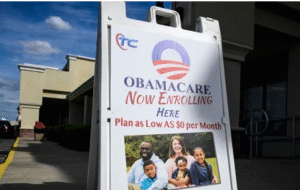
Additionally, there’s a growing effort to simplify the enrollment process for insurance plans. By streamlining application procedures and increasing the availability of online resources, policymakers are working to make it easier for individuals to understand and access their coverage options. Outreach initiatives are also being expanded to educate communities about their eligibility and benefits under the revised system.
Health Reform Legislation in 2025
New legislation introduced in 2025 seeks to address longstanding inefficiencies in the U.S. healthcare system while improving access to essential services. These laws focus on simplifying administrative processes to reduce delays and costs, benefiting both patients and providers. Efforts include new policies aimed at decreasing bureaucracy within insurance claims and healthcare delivery systems, allowing providers to focus more on patient care rather than paperwork.
Another critical component involves updating regulations to support innovative care delivery models, such as telemedicine and value-based care initiatives. These changes encourage a shift from fee-for-service systems to models that prioritize health outcomes and cost-effectiveness. By incentivizing preventative care and early intervention, policymakers aim to reduce overall healthcare expenditures while improving patient well-being.
Legislation also expands funding for community health programs, particularly in rural and underserved areas. These programs are designed to address health disparities and provide targeted services for populations that have historically faced barriers to care. Additionally, new laws mandate transparency in drug pricing and healthcare billing to empower consumers with clearer information about costs.
To encourage system-wide improvements, certain regulations now provide greater flexibility for states to implement localized healthcare solutions. This includes pilot programs tailored to address specific community needs, offering the potential to test innovative approaches at the state level before broader implementation.
The legislative changes also allocate resources toward workforce development, aiming to address staffing shortages in healthcare facilities nationwide. By offering incentives such as loan forgiveness and training grants, the reforms seek to attract and retain more healthcare professionals in critical roles, ensuring that the system can meet growing demand effectively.
Financial Implications for Citizens
The 2025 updates to healthcare policies bring notable adjustments to how citizens interact with medical costs, aiming to address affordability challenges for a wider range of households. A key focus is reducing out-of-pocket expenses, including deductibles and copayments, which have historically placed a significant financial strain on families. By revising cost-sharing measures, the reforms intend to ensure that essential medical services are more accessible without causing undue financial stress.
For middle-income earners, expanded eligibility for subsidies marks a significant change. This group, often overlooked in previous systems, now has access to financial assistance that reduces the economic pressure of securing comprehensive health coverage. Additionally, the adjustments provide more predictable healthcare expenses by limiting unexpected costs, particularly for emergency or specialist care.
Low-income households benefit from increased federal funding for Medicaid, which not only broadens program eligibility but also offers more comprehensive coverage for critical services. This ensures that medical attention, such as preventive care or treatment for chronic illnesses, is within reach for individuals facing economic hardships.
Another notable change is the increased focus on pricing transparency for medical procedures and prescription medications. With new regulations requiring clear communication of costs, patients are better positioned to make informed decisions about their care. This empowers families to manage healthcare expenses more effectively and avoid unexpected financial burdens.
By targeting affordability from multiple angles, these financial measures work to address systemic barriers that have long impacted access to quality care.
Technological Advancements in Healthcare
The 2025 healthcare reforms bring a stronger emphasis on adopting advanced technologies to transform patient care and operational efficiency. Artificial intelligence is playing an increasingly prominent role, assisting healthcare professionals with diagnostic processes and treatment planning. This use of AI not only reduces the likelihood of errors but also speeds up decision-making, benefiting both patients and providers.
Data analytics is being integrated more widely across healthcare systems to predict trends, monitor patient outcomes, and identify areas requiring intervention. These tools enable providers to deliver more personalized care by tailoring treatments to individual health profiles. Electronic health records are also being upgraded with enhanced interoperability, ensuring that patients’ medical histories are accessible across different facilities for better coordination of care.
Wearable health devices, such as smartwatches and fitness trackers, are being used more extensively to monitor vital signs, chronic conditions, and physical activity. By capturing real-time health data, these devices allow patients and doctors to stay proactive in managing health issues before they escalate. Similarly, advancements in mobile health apps are helping individuals manage their prescriptions, schedule appointments, and access reliable medical information from their smartphones.
Robotics is another emerging area, with robotic-assisted surgeries becoming more common. These systems improve precision in procedures, reduce recovery times, and enhance outcomes for patients undergoing complex operations. Additionally, pharmacies are leveraging automation for faster and more accurate dispensing of medications, reducing wait times and minimizing human error.
As the healthcare sector continues to modernize, such technological innovations are improving both accessibility and the overall quality of care, aligning with the goals of the 2025 reforms to create a more efficient and patient-focused system.
Public Response and Feedback
Reactions to the 2025 healthcare reforms reveal a mixture of praise and concerns from various groups. Many individuals highlight the improvements in coverage and the affordability of health services, particularly for those who previously fell through gaps in the system. Expanded subsidies and Medicaid enhancements have been particularly well-received by middle- and low-income families, who now face fewer financial obstacles when accessing essential care.
However, some critics question the pace at which these changes are being implemented. Concerns about whether states and healthcare providers have the resources needed to support expanded programs are common, with some pointing to potential logistical bottlenecks in underserved areas. These issues are amplified in rural regions, where healthcare access has historically been limited, even with additional funding.
Healthcare providers, while generally supportive of the reforms’ goals, have raised questions about operational challenges. For example, integrating new technologies like telehealth and AI into existing systems requires significant investment in both training and infrastructure. Smaller practices in particular are finding it difficult to keep up with the demands of transitioning to these newer models of care.
Some citizens and advocacy groups have also expressed skepticism about cost transparency measures, arguing that clearer pricing alone may not fully address high medical expenses. There’s also debate about how effective the shift toward preventative care will be in reducing long-term costs without further investments in public health education and outreach.
Although many view these changes as a step in the right direction, the public response underscores the complexity of overhauling a system as vast as U.S. healthcare. Citizens and stakeholders alike recognize the need for ongoing adjustments and improvements to fully realize the intended benefits of the reforms.
Future of Healthcare Reforms
The next phase of healthcare reforms in the United States is expected to focus on addressing remaining disparities in care access and quality. Policymakers are increasingly prioritizing mental health, aiming to integrate mental health services more effectively into primary care and community health programs. This includes expanding access to therapists, psychiatrists, and crisis intervention resources, particularly in areas where mental health services remain scarce.
Investments in public health education are also likely to increase, with a stronger emphasis on preventive measures to reduce the burden of chronic diseases. Campaigns to promote healthier lifestyles, vaccinations, and early screenings will play a key role in supporting these efforts. Furthermore, there is growing interest in strengthening partnerships between public and private sectors to enhance care delivery systems and maximize available resources.
On the technological front, the expansion of telehealth and the development of personalized medicine are expected to continue. Precision medicine, which leverages genetic information to tailor treatments, is anticipated to grow as genomic testing becomes more accessible and affordable. Similarly, advanced analytics tools are likely to be utilized more widely to identify trends and allocate resources more efficiently.
Efforts to address workforce challenges are projected to intensify, with continued focus on training and retaining healthcare professionals to meet increasing demands. Incentives like scholarships, loan forgiveness, and career development programs may be expanded to draw more individuals into critical healthcare roles.
Pilot programs exploring localized solutions to healthcare challenges are also expected to gain traction. These initiatives allow states to experiment with innovative models and identify strategies that could be scaled nationally. As reforms evolve, the emphasis on fostering adaptability within the healthcare system will be key to meeting the diverse and changing needs of the population.
Conclusion
The 2025 healthcare reforms mark a pivotal moment in the ongoing effort to improve the U.S. healthcare system. By addressing critical gaps in coverage and affordability, these updates aim to reduce barriers that have historically prevented many Americans from accessing necessary care. The increased use of technology, such as telehealth and AI, underscores a commitment to modernizing healthcare delivery while enhancing efficiency and patient outcomes.
Moreover, the expansion of Medicaid and Medicare reflects a focus on meeting the needs of vulnerable populations, including low-income families and seniors. Efforts to simplify insurance enrollment processes and promote cost transparency further demonstrate a shift towards a more user-friendly system. These reforms also highlight the importance of investing in healthcare infrastructure, workforce development, and community health programs to ensure long-term sustainability.
While challenges remain, including resource allocation and implementation in underserved areas, the reforms represent a significant step toward creating a system that better serves the diverse needs of the population. By fostering collaboration among policymakers, providers, and citizens, these changes set the stage for a more equitable and effective healthcare future.
