
Understanding Current Market Trends
The current financial market reflects a blend of ongoing recovery and emerging uncertainties. Economic indicators suggest progress in areas such as employment and consumer spending, yet concerns like persistent inflation and interest rate fluctuations cast a shadow over future growth. Global supply chain challenges, though improving, continue to impact production costs and availability of goods, influencing market behavior. Meanwhile, technological innovation and shifts toward green energy are driving significant changes in key industries, with many investors focusing on these transformative sectors.
Geopolitical developments are another factor shaping market trends. Trade policies, international conflicts, and changes in global alliances all play a role in creating both opportunities and risks for investors. These dynamics have led to increased market sensitivity, with sectors like technology, energy, and manufacturing experiencing both growth and volatility. Furthermore, central bank policies, particularly decisions around interest rate adjustments, remain a focal point for predicting market direction. The balance between curbing inflation and supporting economic expansion continues to challenge policymakers.
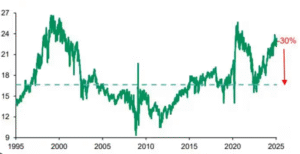
Investor sentiment is also evolving, with many balancing optimism about long-term prospects against caution over short-term fluctuations. The rise of retail investing and greater access to financial tools have introduced new dynamics into market activity, influencing both volatility and liquidity. At the same time, some analysts warn that valuations in certain areas may be overextended, highlighting the need for careful evaluation when entering the market.
Understanding these interconnected trends requires staying informed and considering how these factors may interact over time. For example, shifts in consumer preferences toward sustainability are not only affecting market opportunities but also influencing corporate strategies. Similarly, advancements in automation and artificial intelligence are reshaping industries, presenting both risks and rewards for investors. By recognizing these evolving patterns, investors can better navigate the complexities of the market and position themselves for potential changes.
Pros of Investing Now
Investing now can enable investors to take advantage of favorable conditions in certain sectors showing strong growth potential. Industries such as renewable energy, healthcare, and technology are undergoing significant advancements and meeting increasing consumer demand. These areas often attract capital due to their potential to drive long-term economic progress, making them attractive for those seeking high-growth opportunities.
Additionally, entering the market during periods of innovation allows investors to participate in the early stages of transformative trends. For example, advancements in artificial intelligence and clean energy technologies are shaping the future of many industries. Being positioned in these sectors before they reach maturity could result in significant long-term gains.
Another benefit of investing sooner rather than later is the ability to build wealth over time through compounding. The earlier capital is deployed, the longer it has to generate returns and grow. This principle is particularly relevant for younger investors or those with long-term financial goals, as they have the time horizon needed to weather market fluctuations and benefit from the gradual accumulation of returns.
Market participation now also provides a learning experience for newer investors. Engaging with the market early helps build familiarity with investment strategies, risk management, and portfolio balancing. These practical skills can be invaluable in making informed decisions over the long term.
Risks of Investing Now
Market conditions can change rapidly, and investors may face unexpected challenges that impact their portfolios. One of the key concerns is the potential for economic or geopolitical developments to create sharp price swings across sectors. Even industries with strong growth potential are not immune to disruptions, which can arise from policy changes, technological advancements, or shifts in consumer preferences. These changes may affect the outlook for investments that once seemed promising.
Another risk lies in the possibility of overestimating the durability of current trends. For instance, certain sectors may experience temporary growth due to heightened demand or favorable conditions, only to face stagnation or decline as circumstances evolve. Investors must carefully evaluate whether the industries they are targeting can sustain their growth over the long term or if they are at risk of losing momentum.
Liquidity is another factor to consider. In periods of heightened market volatility, investors may find it challenging to exit positions without incurring significant losses. This can be particularly problematic for those who need quick access to their funds, as they may be forced to sell assets at unfavorable prices.
Additionally, there is the risk of misallocating resources. For investors who are heavily concentrated in a particular sector or asset type, any downturn in that area can have an outsized impact on their portfolio. Diversification is critical to reducing this vulnerability, yet even a diversified portfolio is not immune to systemic risks that affect multiple asset classes.
Finally, rising interest rates and inflation can erode purchasing power and impact investment returns. Higher borrowing costs can negatively affect corporate earnings, which in turn may weigh on stock prices. Similarly, inflation can reduce the real value of future returns, particularly for investments with fixed income or low growth potential. These factors underscore the importance of staying informed and adjusting strategies to account for evolving financial conditions.
Predicting a Market Crash in 2025
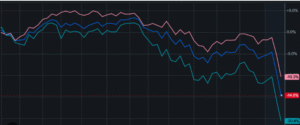
Economic and financial experts have analyzed various indicators to assess the likelihood of a market crash in 2025. Factors like rising interest rates remain a significant focus, as higher borrowing costs can dampen corporate growth and consumer spending. Additionally, inflationary trends may continue to influence market sentiment, particularly if price increases outpace wage growth, reducing purchasing power and demand for goods and services.
Global geopolitical tensions could also play a pivotal role in market stability. Trade restrictions, international conflicts, and shifts in alliances may create uncertainties, impacting supply chains and economic relationships. These factors have the potential to disrupt markets and lead to rapid price corrections, particularly in industries dependent on global trade or sensitive to political shifts.
Another area of concern is the current valuations in several asset classes. Some analysts argue that certain stocks, particularly in high-growth sectors, may be overvalued, creating vulnerabilities if economic conditions deteriorate or if earnings fail to meet expectations. A sudden shift in investor sentiment could trigger widespread selling, exacerbating volatility and downward pressure on prices.
Technological changes and their implications for industries are also being closely observed. While innovation drives progress, it can also displace existing business models or create competitive pressures that challenge established players. Such disruptions could have ripple effects across the market, leading to heightened uncertainty and potential corrections.
Lastly, shifts in consumer behavior, particularly toward sustainability or new digital services, could accelerate changes in demand, altering revenue streams for companies unprepared to adapt. Industries reliant on older systems may find themselves struggling to compete, contributing to broader market instability. Monitoring these factors can help investors anticipate potential risks and identify areas where caution may be warranted.
Benefits of Waiting for a Market Crash
A significant advantage of waiting for a market downturn is the potential to gain access to investments at more favorable prices. During a crash, valuations often decline, creating opportunities to buy quality stocks, bonds, or other assets at a fraction of their previous costs. This can be particularly appealing for investors who have a clear understanding of the companies or sectors they want to invest in, as they may secure positions in high-potential areas at reduced entry points.
A downturn can also provide an opportunity to reallocate resources in a way that aligns better with long-term financial objectives. For those with cash reserves or other liquid assets, a market correction might allow for strategic portfolio adjustments that prioritize stronger fundamentals or sectors poised for recovery. This ability to pivot during a period of lowered prices can enhance overall returns as the market stabilizes and eventually grows again.
Waiting for a correction may also benefit investors seeking to avoid inflated valuations. Entering the market when prices are high increases the risk of overpaying for assets, which can result in lower returns or potential losses if valuations normalize. By holding off until conditions change, investors may mitigate this risk and improve their chances of achieving more substantial gains over time.
In addition, a downturn often separates stronger, more resilient companies from those with weaker fundamentals. This natural process can make it easier for investors to identify businesses with solid balance sheets, strong cash flows, and competitive advantages. Purchasing shares in such companies during a correction may position investors to benefit from their ability to outperform peers during recovery phases.
Finally, for individuals who are disciplined and patient, waiting for a downturn offers an opportunity to maintain liquidity while observing broader market trends. This approach can allow investors to act swiftly when prices reach levels that align with their financial strategies, optimizing their potential for favorable outcomes.
Risks of Waiting for a Crash
Holding off for a potential market crash comes with several uncertainties. One significant concern is the unpredictability of market timing, as economic cycles don’t always follow expected patterns. While some analysts predict downturns based on specific indicators, these events may not occur within anticipated timeframes, leaving investors idle while markets continue to grow. Additionally, inflation can erode the purchasing power of cash reserves during extended waiting periods, reducing the value of funds set aside for future investments.
Another issue arises from the psychological toll of staying out of the market. Watching others benefit from rising asset values can lead to second-guessing and impulsive decisions that may deviate from an originally planned strategy. Investors could feel pressured to enter the market hastily, potentially at a less advantageous moment than if they had steadily participated over time.
Furthermore, companies and industries evolve rapidly, and waiting too long might mean missing key opportunities to invest in areas poised for significant growth. Technological advancements, regulatory changes, or shifts in consumer demand often reshape markets, creating chances that may not exist during a later downturn. Failing to engage with these developments as they unfold could result in a lost opportunity to capitalize on transformative trends.
There’s also the possibility of underestimating the resilience of certain sectors or the broader economy. While crashes can and do occur, markets have historically rebounded over time, often rewarding those who remain invested through periods of uncertainty. By waiting exclusively for a decline, investors may miss the steady compounding effect of returns, particularly during periods of extended market strength.
Lastly, sidelining assets can limit financial growth in the short term. Savings kept in low-yield accounts or assets during a wait-and-see approach might not keep pace with potential returns from even a moderately allocated portfolio, further compounding opportunity costs over time.
Strategies for Both Scenarios
When deciding whether to invest now or wait, focusing on adaptability can help manage uncertainties and make the most of changing market conditions. One approach is to maintain a combination of liquid assets and investments, allowing flexibility to seize opportunities as they emerge. By keeping some funds readily accessible, investors can act swiftly during market downturns or take advantage of unexpected opportunities without fully exiting the market.
Dollar-cost averaging, where investments are made at regular intervals regardless of market conditions, can also be effective. This strategy reduces the impact of short-term market fluctuations and lowers the risk of making poorly timed, emotion-driven decisions. It allows investors to benefit from gradual market participation while reducing the stress of trying to time the market perfectly.
Incorporating a mix of defensive and growth-oriented investments can further strengthen a portfolio. Defensive assets, such as dividend-paying stocks or bonds, may provide stability during downturns, while growth investments can offer higher returns over time. Regularly reviewing and rebalancing allocations can help ensure the portfolio remains aligned with market trends and personal financial goals.
Additionally, staying informed about economic indicators, industry developments, and potential risks can guide better decision-making. Understanding how broader trends influence specific investments can lead to smarter choices about when and where to allocate resources. For investors who prefer a more cautious approach, using tools like stop-loss orders or setting predetermined entry points can help manage risk while remaining prepared for market changes.
Ultimately, combining patience, discipline, and ongoing research with a flexible strategy equips investors to handle uncertainty and adjust to whatever market conditions lie ahead.
